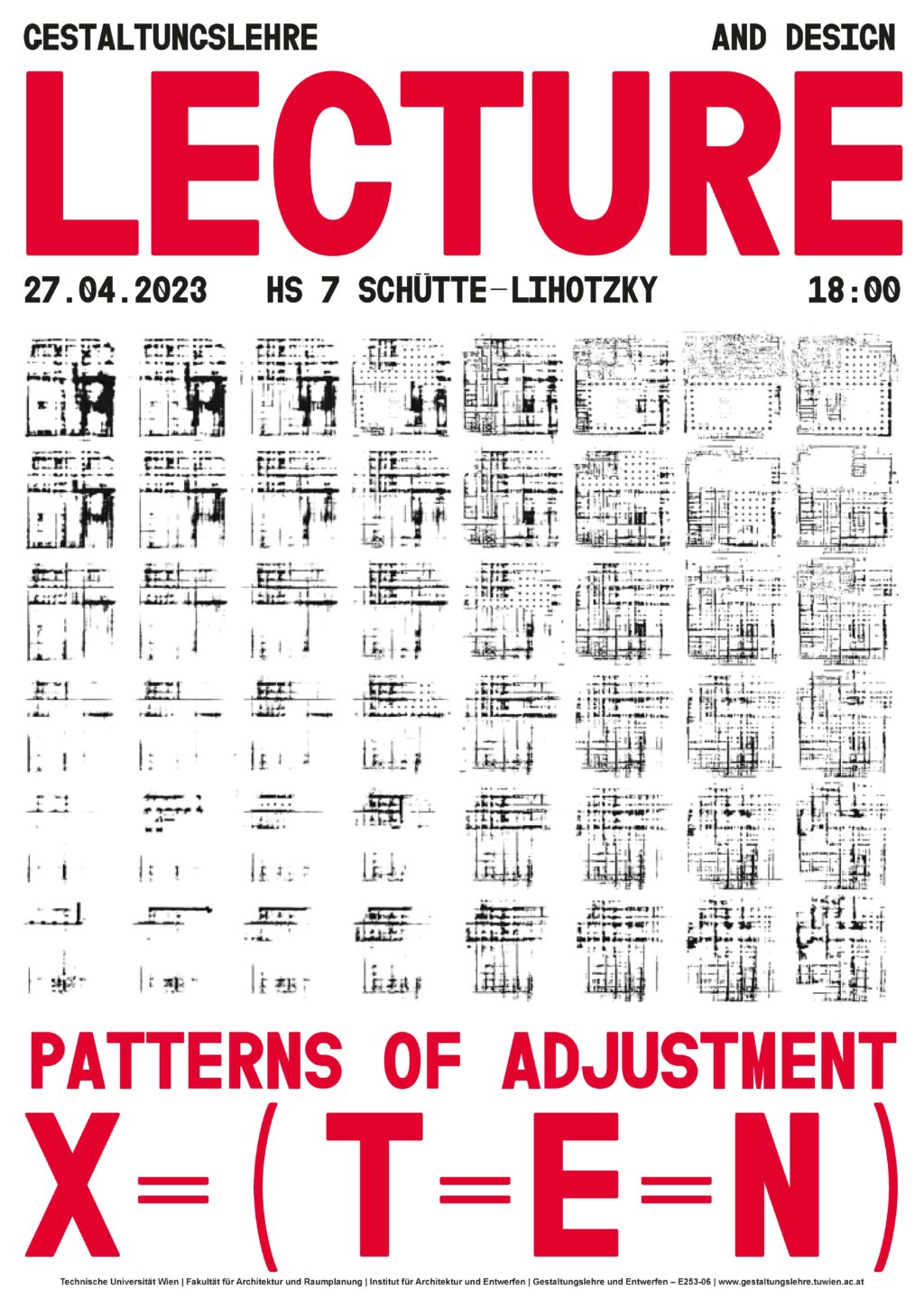
LECTURE:
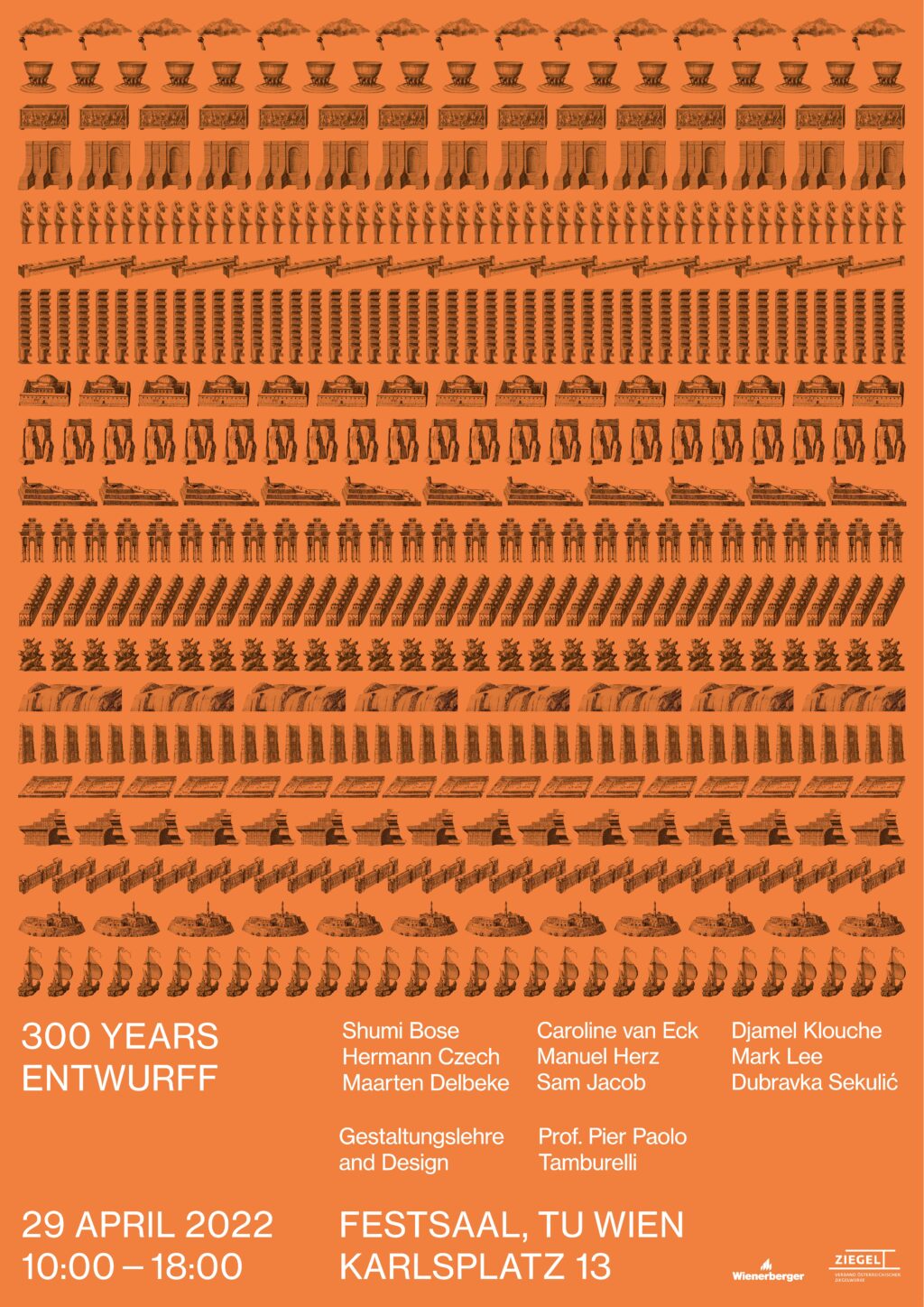
APR 29, 2022
10:00
Symposium:
300 Years EntwurfF
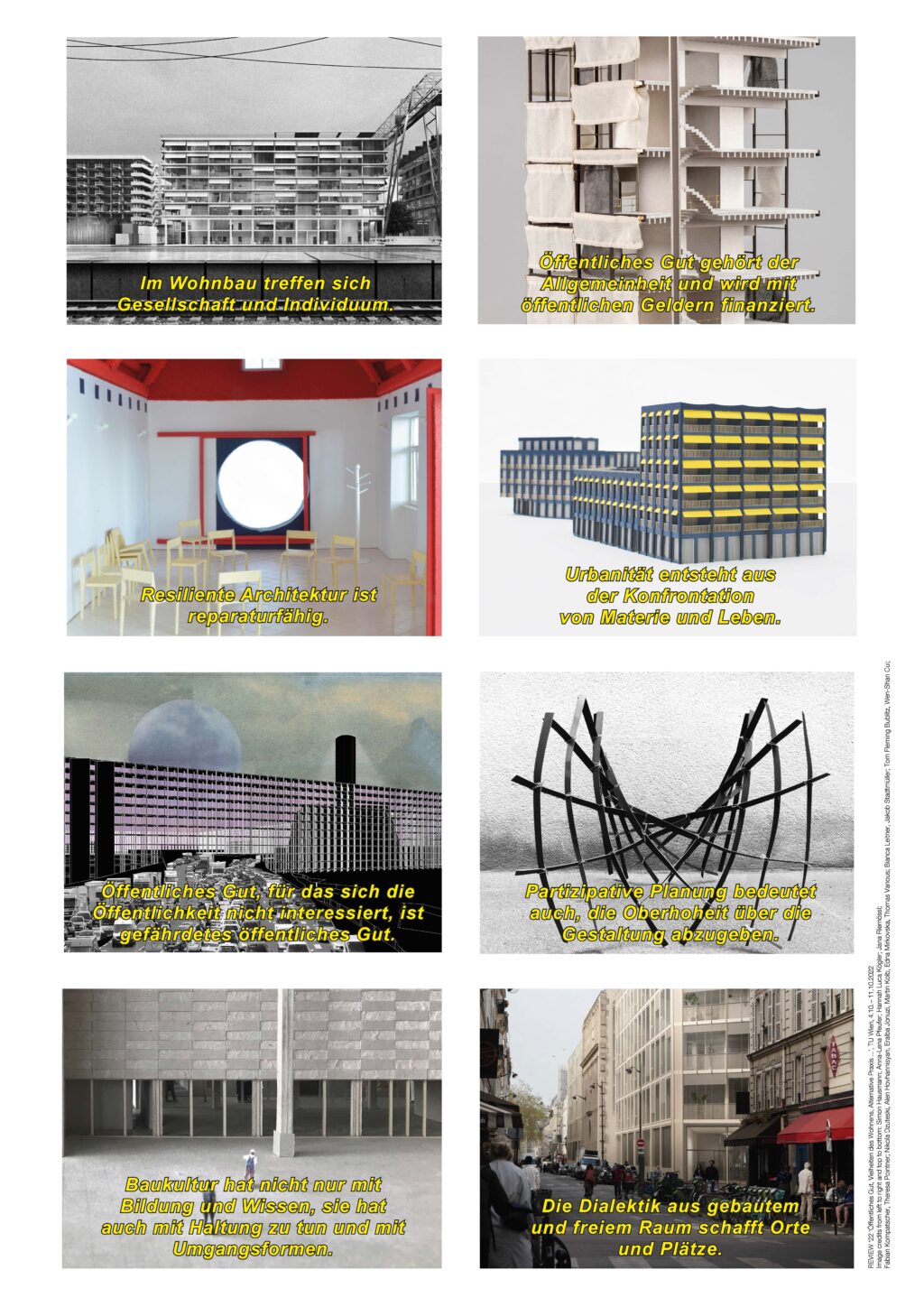
OCT 4, 2022
18:00
EXHIBITION:
REVIEW ‘22
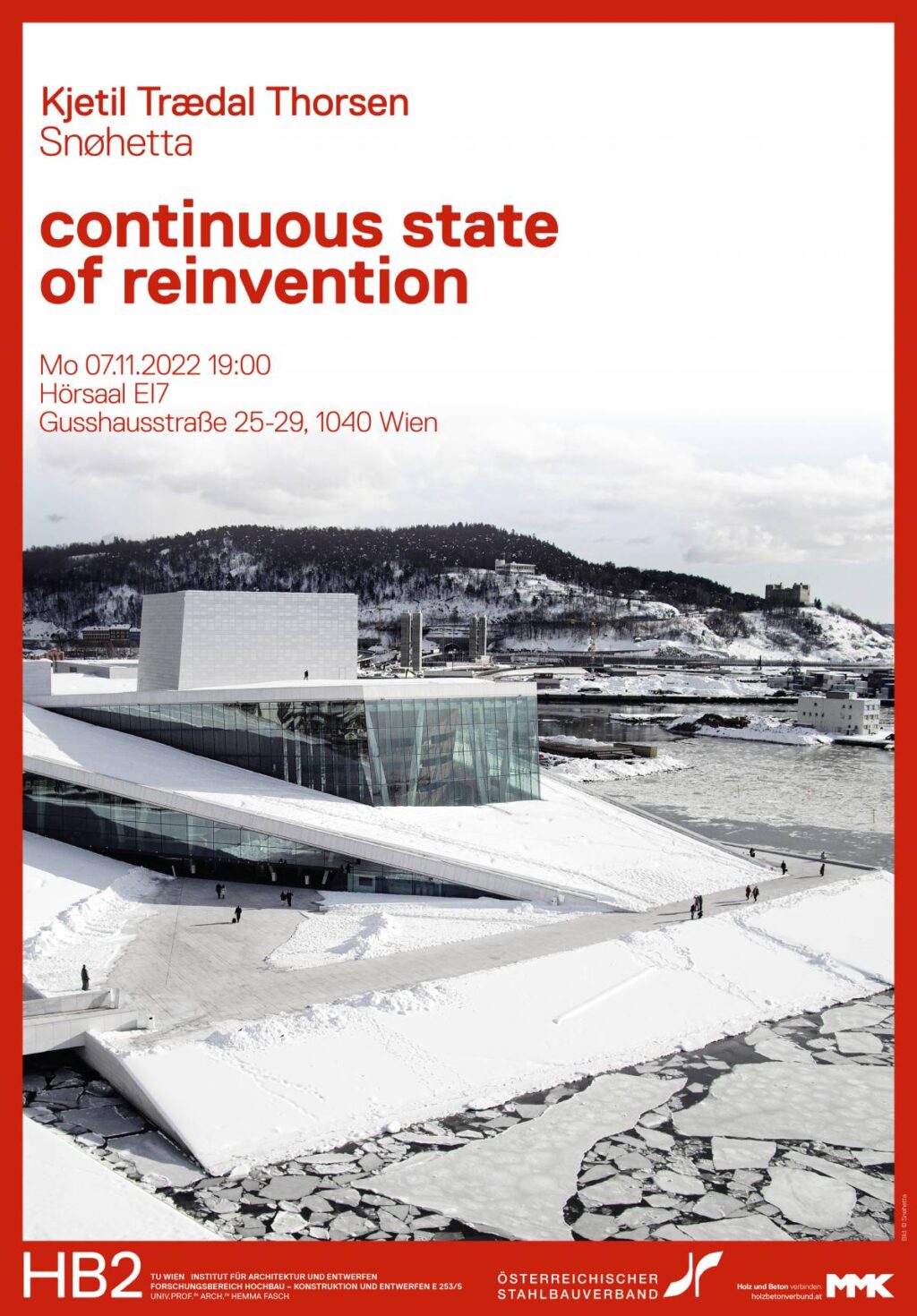
NOV 7, 2022
21:00
LECTURE:
Kjetil Trædal Thorsen, Snøhetta
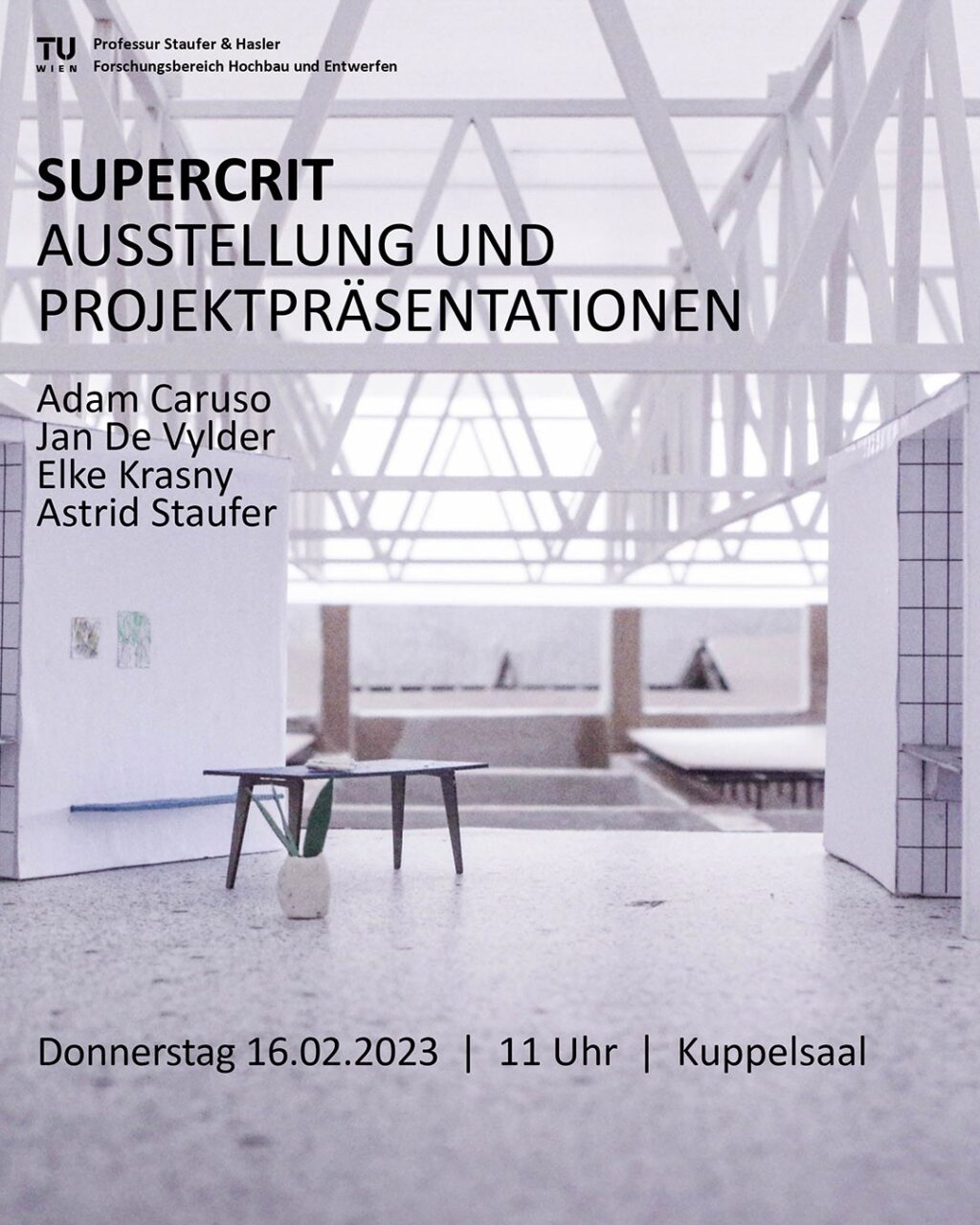
FEB 16, 2023
11:00
EXHIBITION & SUPERCRIT:
UMBAU IN DER LEHRE
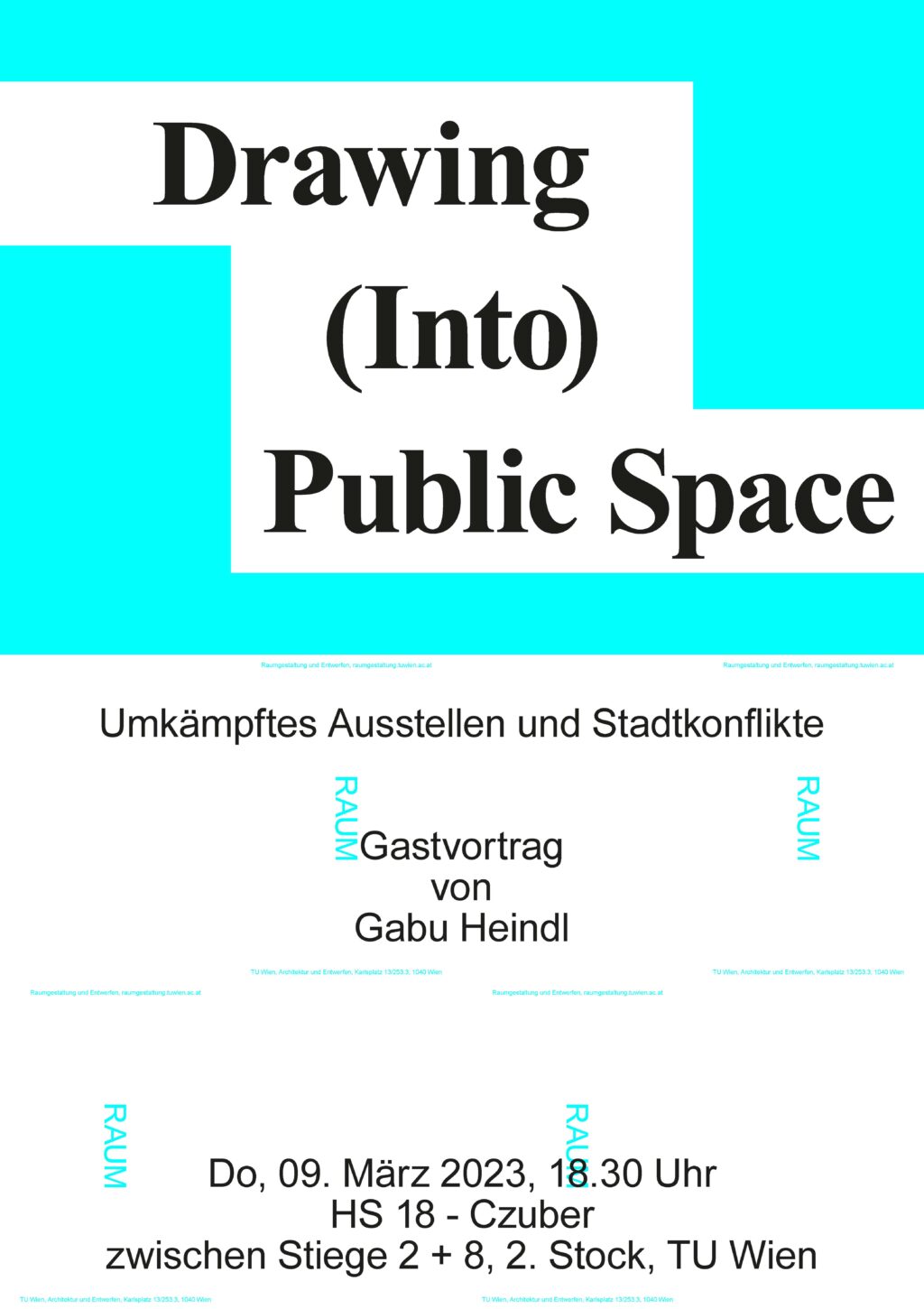
MAR 9, 2023
18:30
LECTURE:
GABU HEINDL
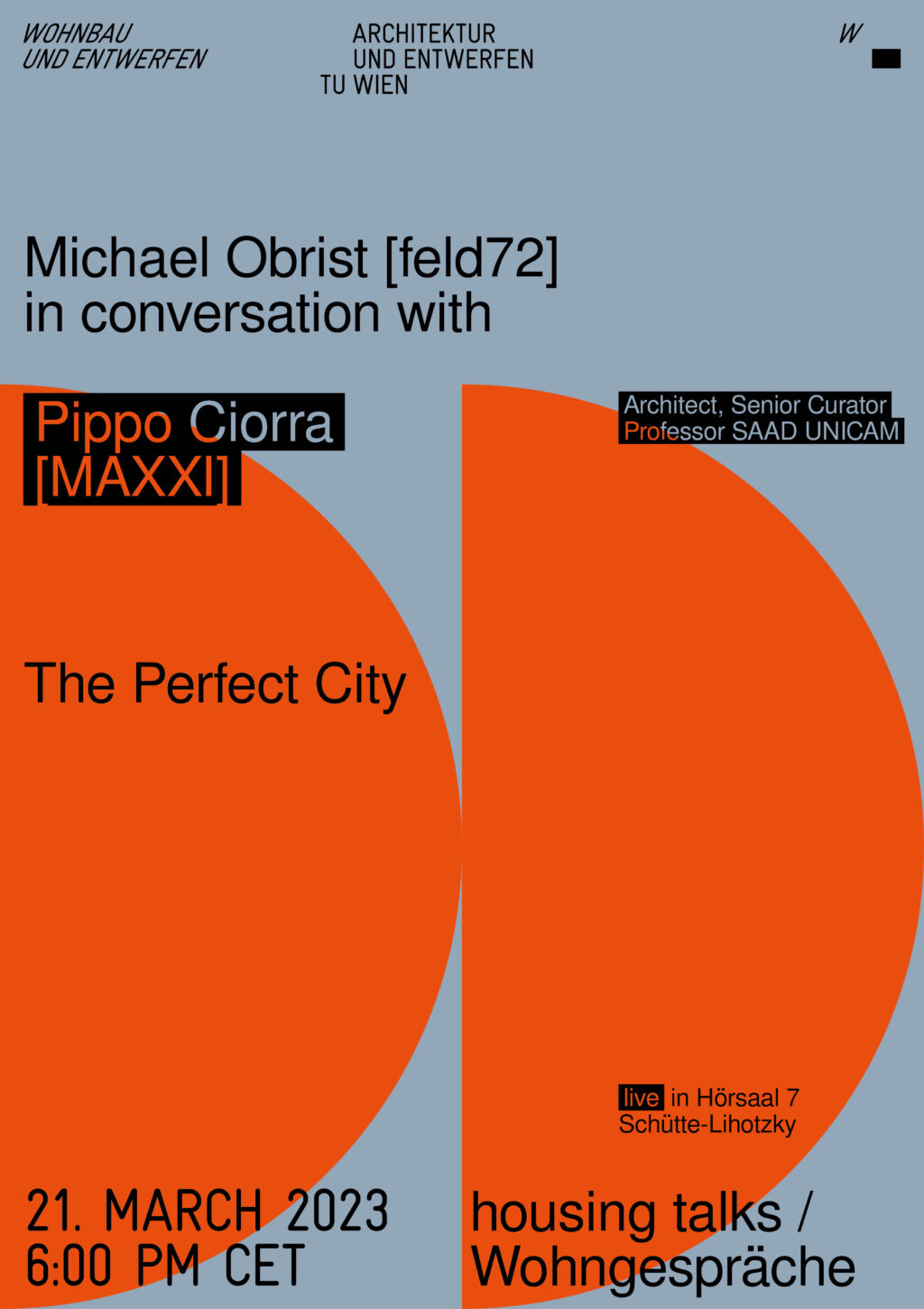
MAR 21, 2023
18:00
HOUSING TALKS:
PIPPO CIORRA, MAXXI
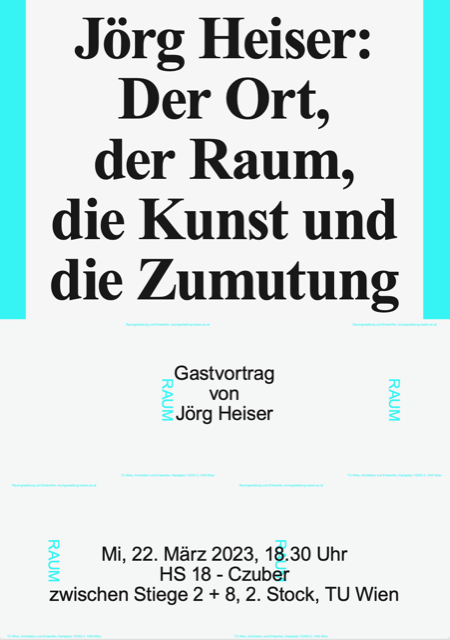
MAR 22, 2023
18:30
LECTURE:
JÖRG HEISER
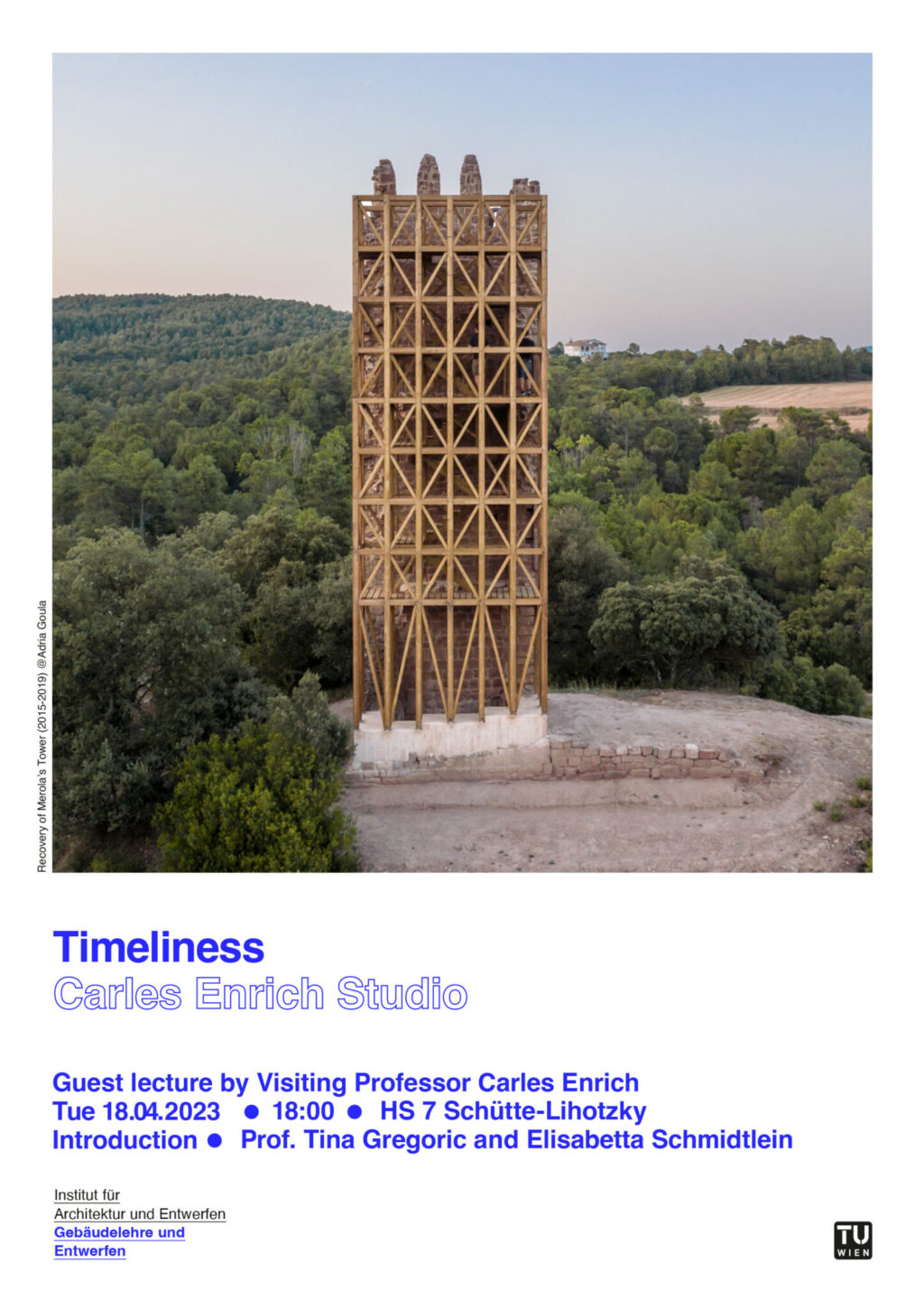
APR 18, 2023
18:00
LECTURE:
CARLES ENRICH
APR 19, 2023
18:30
LECTURE:
HEIKE MAIER-RIEPER

APR 26, 2023
18:30
LECTURE:
BERNHARD LEITNER
MAY 3, 2023
18:30
LECTURE:
LUISA ZIAJA
MAY 11, 2023
18:00
SYMPOSIUM:
MATERIAL REUSE STRATEGIES
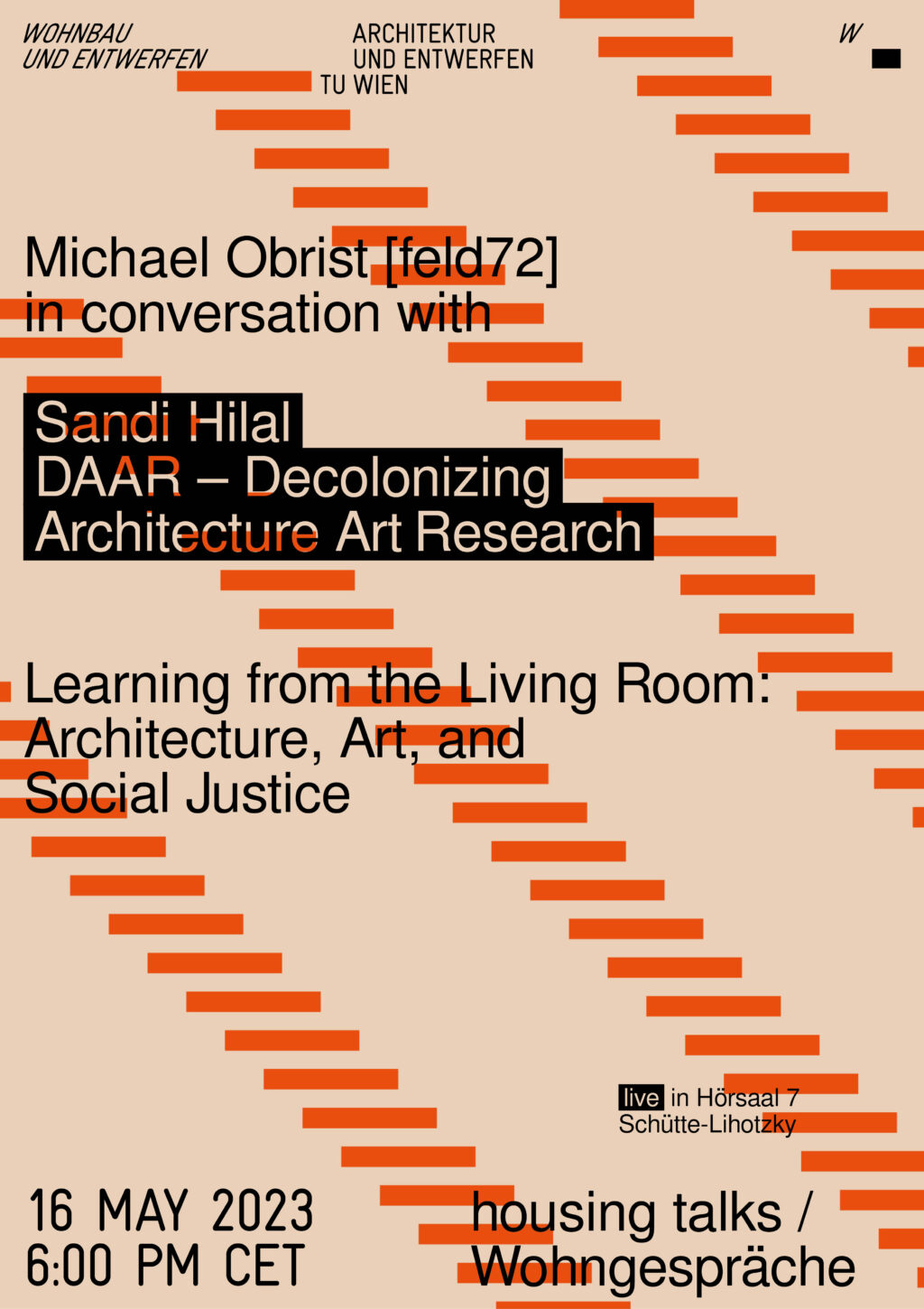
MAY 16, 2023
18:00
HOUSING TALKS:
SANDI HILAL
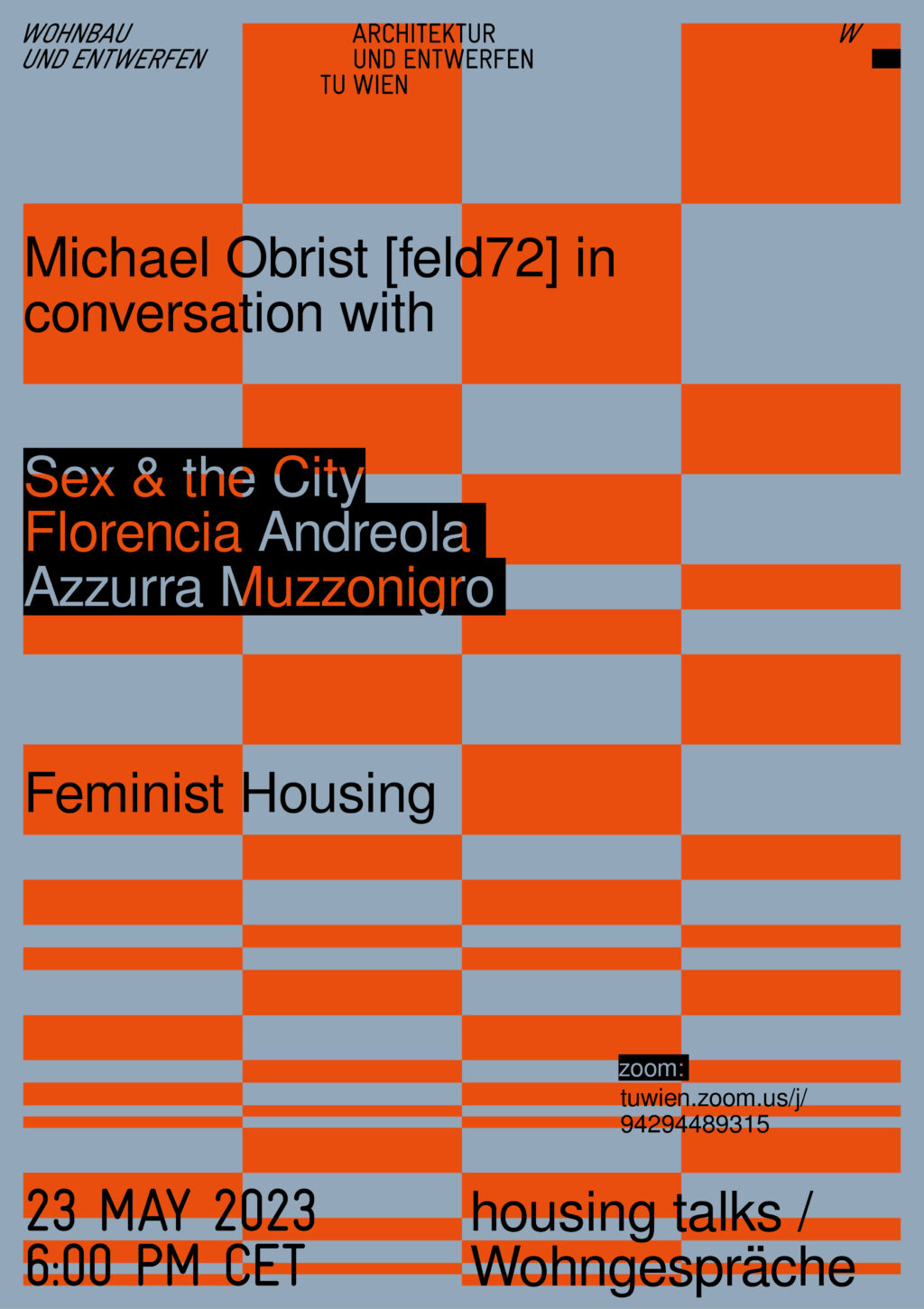
MAY 23, 2023
18:00
HOUSING TALKS:
FLORENCIA ANDREOLA, AZZURA MUZZONIGRO
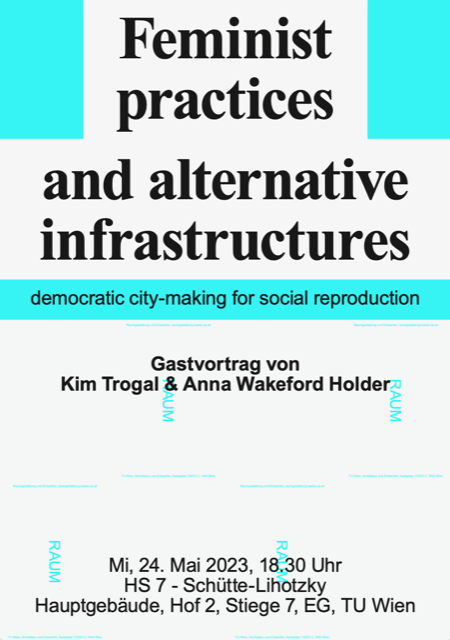
MAY 24, 2023
18:30
LECTURE:
KIM TROGAL & ANNA WAKEFORD HOLDER
MAY 25, 2023
18:00
LECTURE:
AVENIER CORNEJO ARCHITECTS
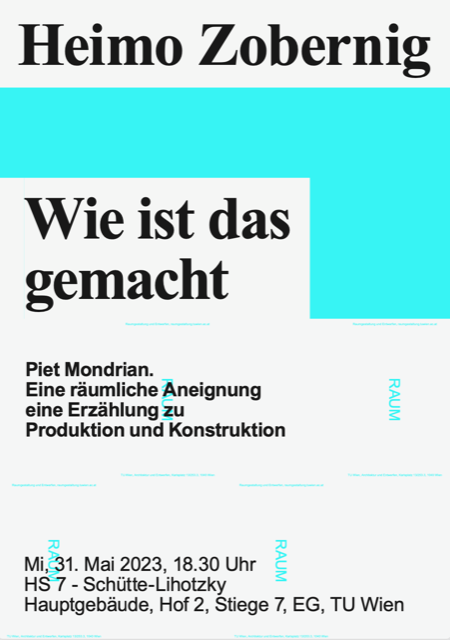
MAY 31, 2023
18:30
LECTURE:
HEIMO ZOBERNIG
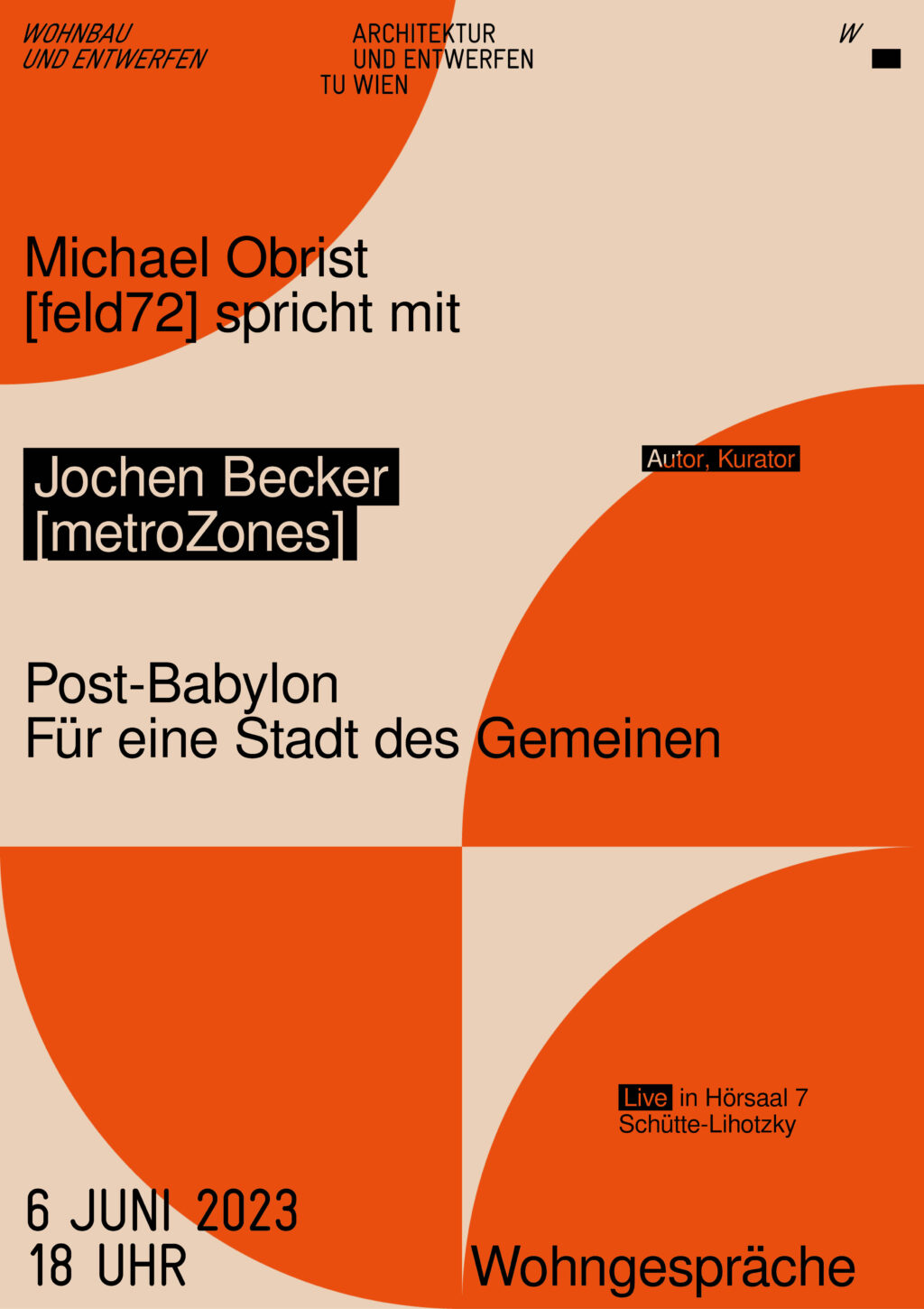
JUN 6, 2023
18:00
HOUSING TALKS:
JOCHEN BECKER, METROZONES
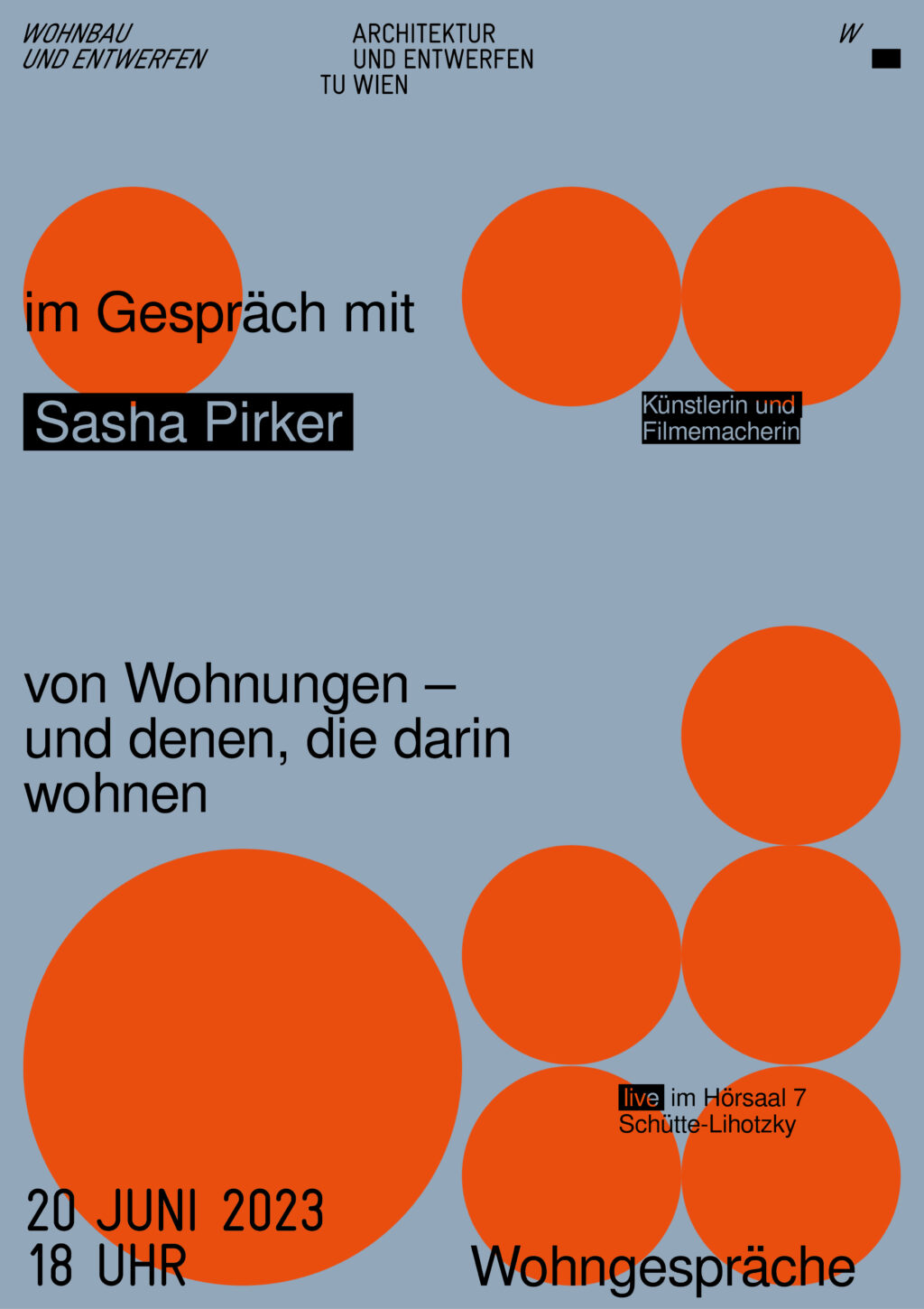
JUN 20, 2023
18:00
HOUSING TALKS:
SASHA PIRKER
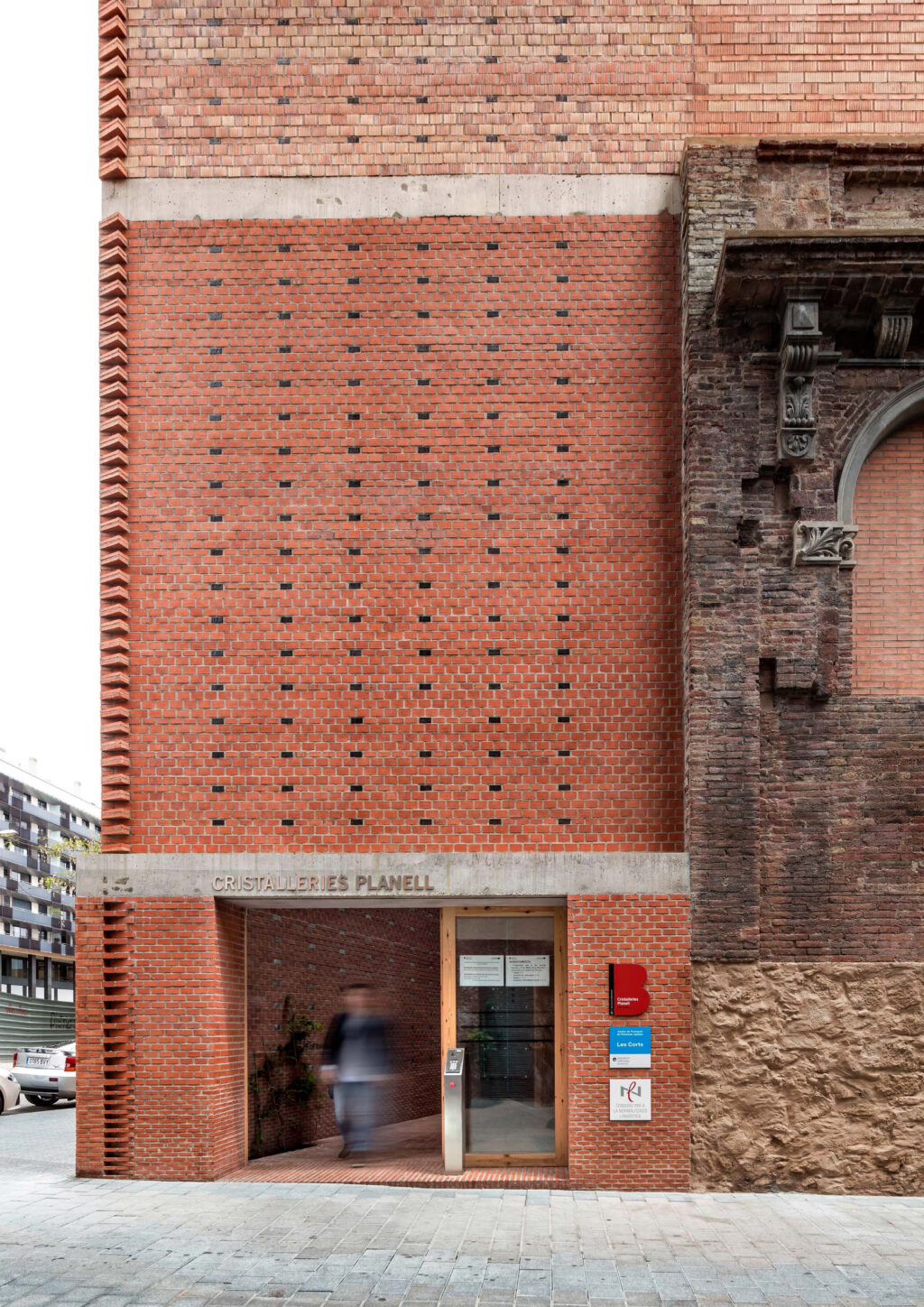
JUN 26, 2023
18:00
LECTURE:
JOSEP RICART, HARQUITECTES
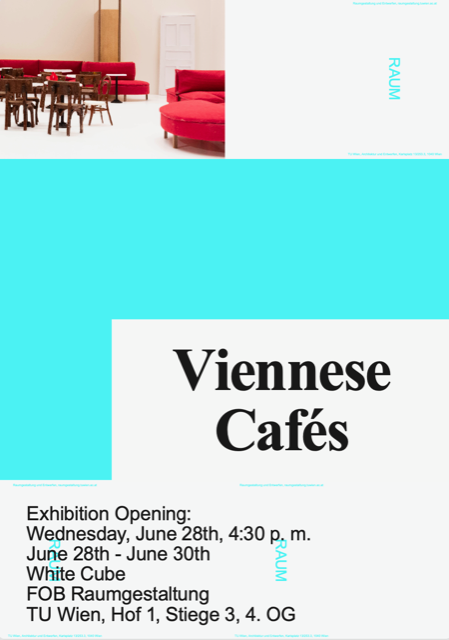
JUN 28, 2023
16:30
EXHIBITION:
VIENNESE CAFÉS: PUBLIC INTERIOR, URBAN SALON
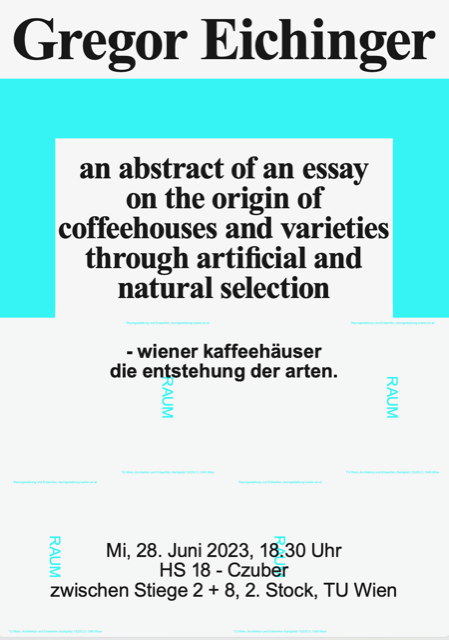
JUN 28, 2023
18:30
LECTURE:
GREGOR EICHINGER
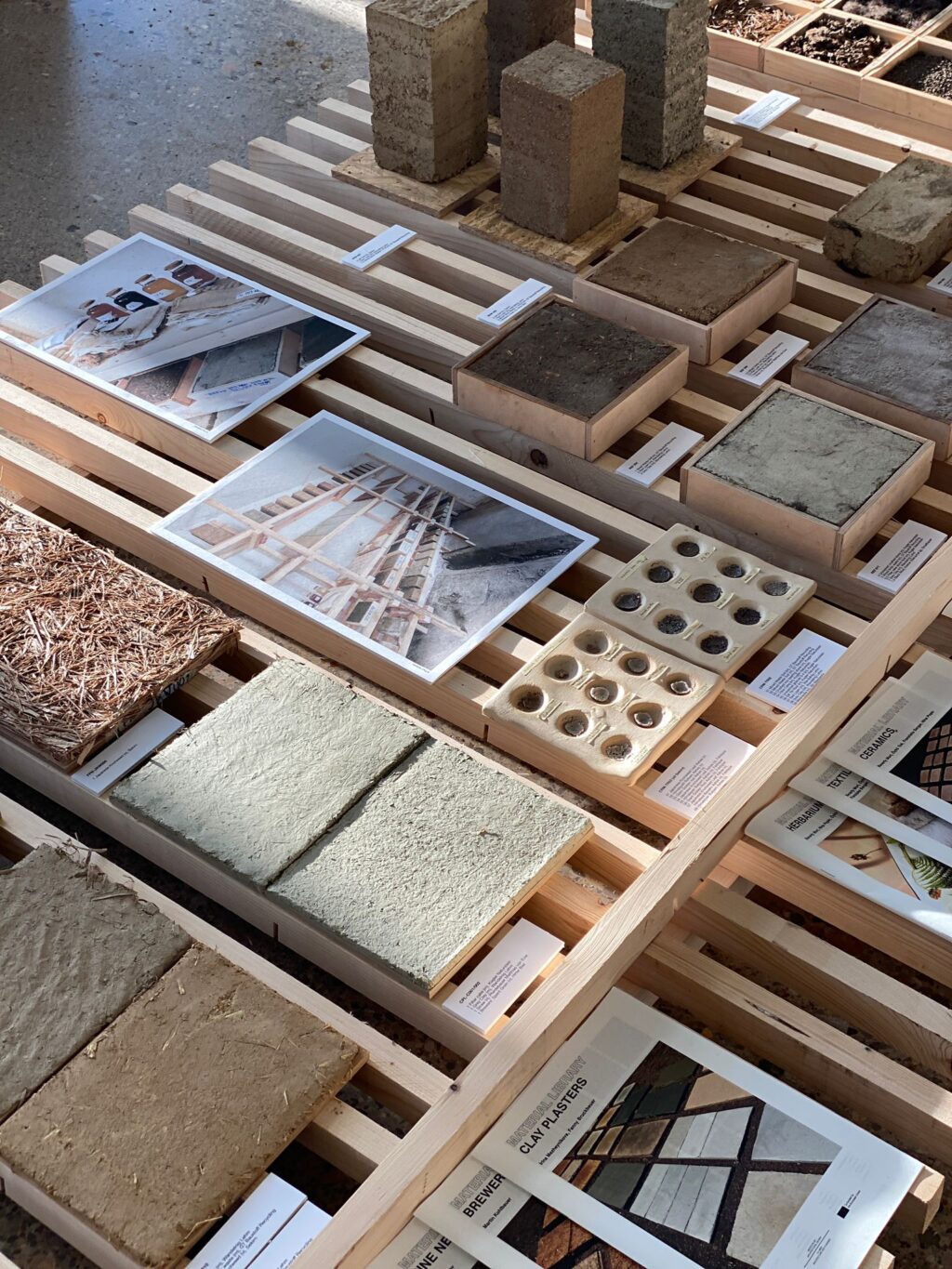
SEP 27, 2023
18:00
EXHIBITION:
Bioregionale Strategien der Wieder- verwendung
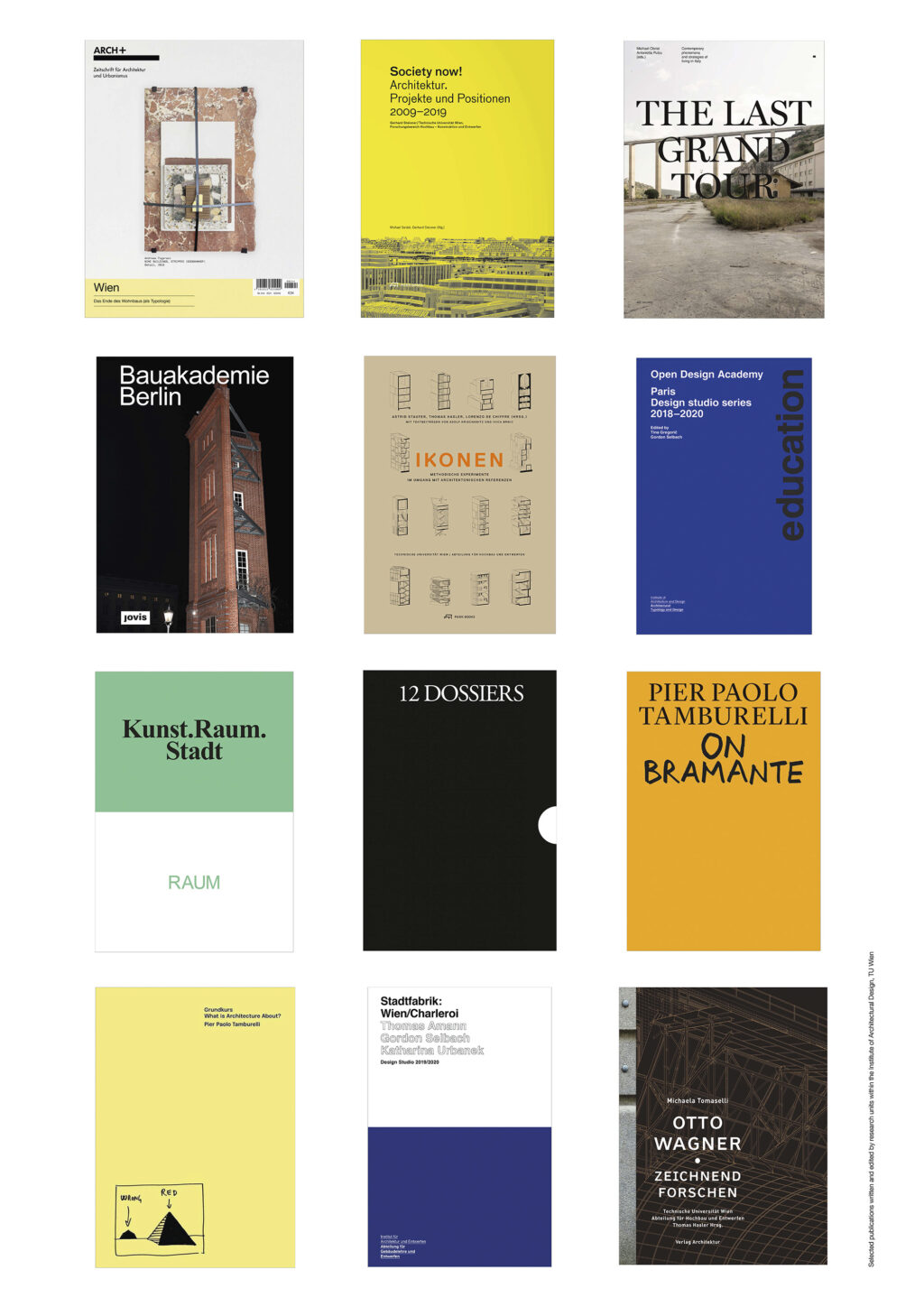
OCT 11, 2023
18:00
PRESENTATION & DISCUSSION:
WEBSITE LAUNCH & TALK ON PUBLICATIONS
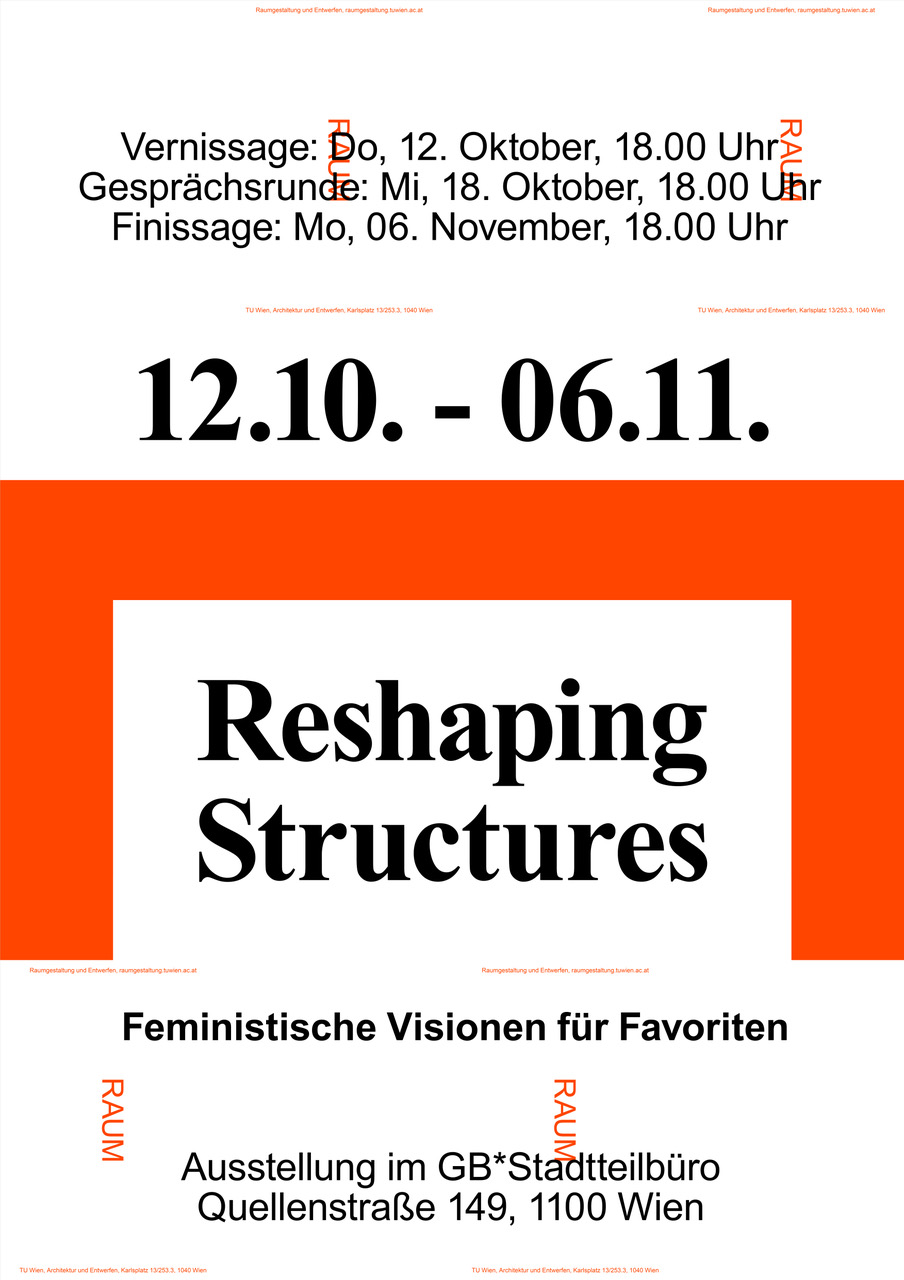
OCT 12, 2023
18:00
EXHIBITION:
RESHAPING STRUCTURES
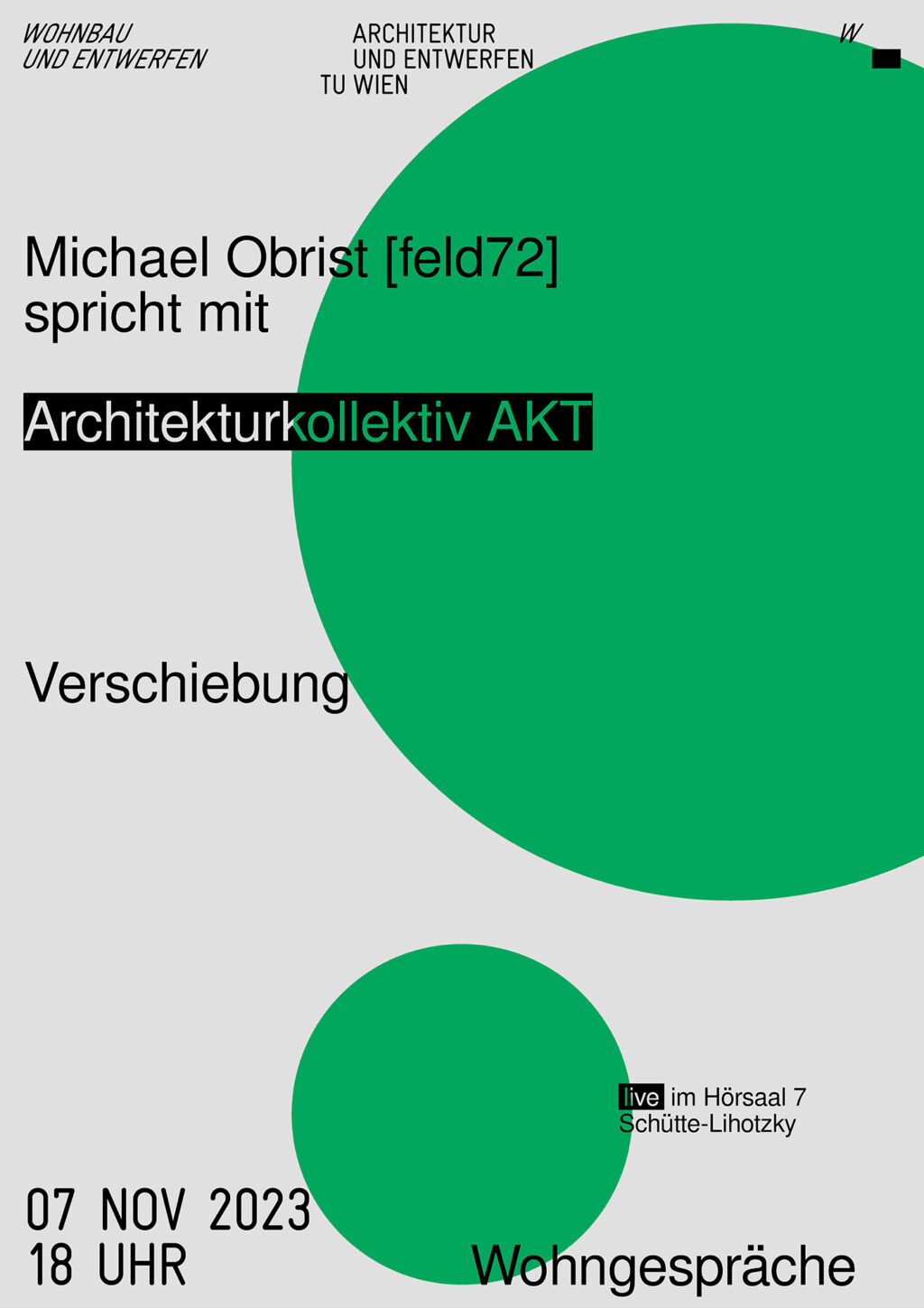
NOV 7, 2023
18:00
HOUSING TALKS:
ARCHITEKTUR-
KOLLEKTIV AKT
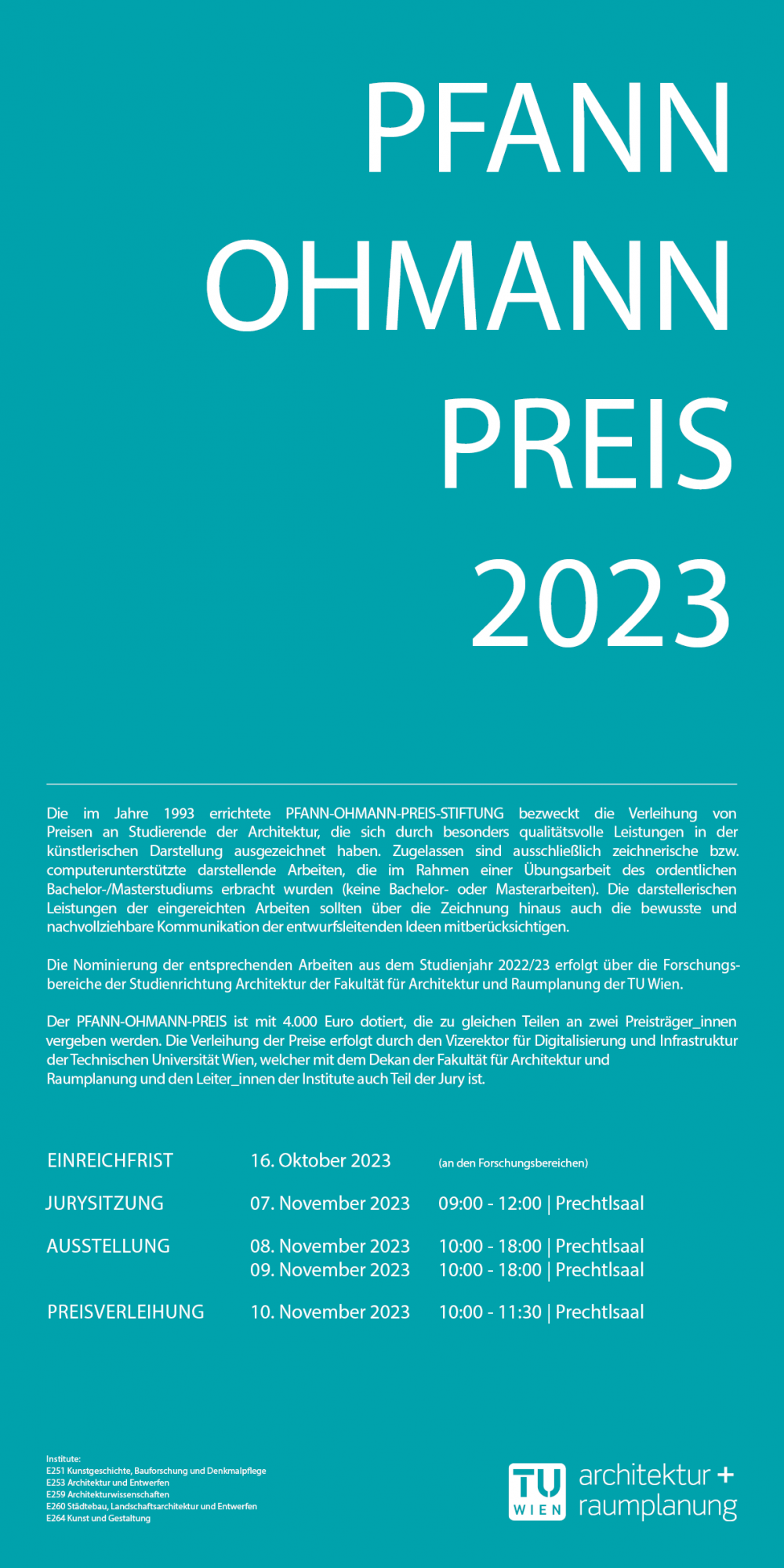
NOV 10, 2023
10:00
EXHIBITION:
PFANN-OHMANN-PREIS 2023
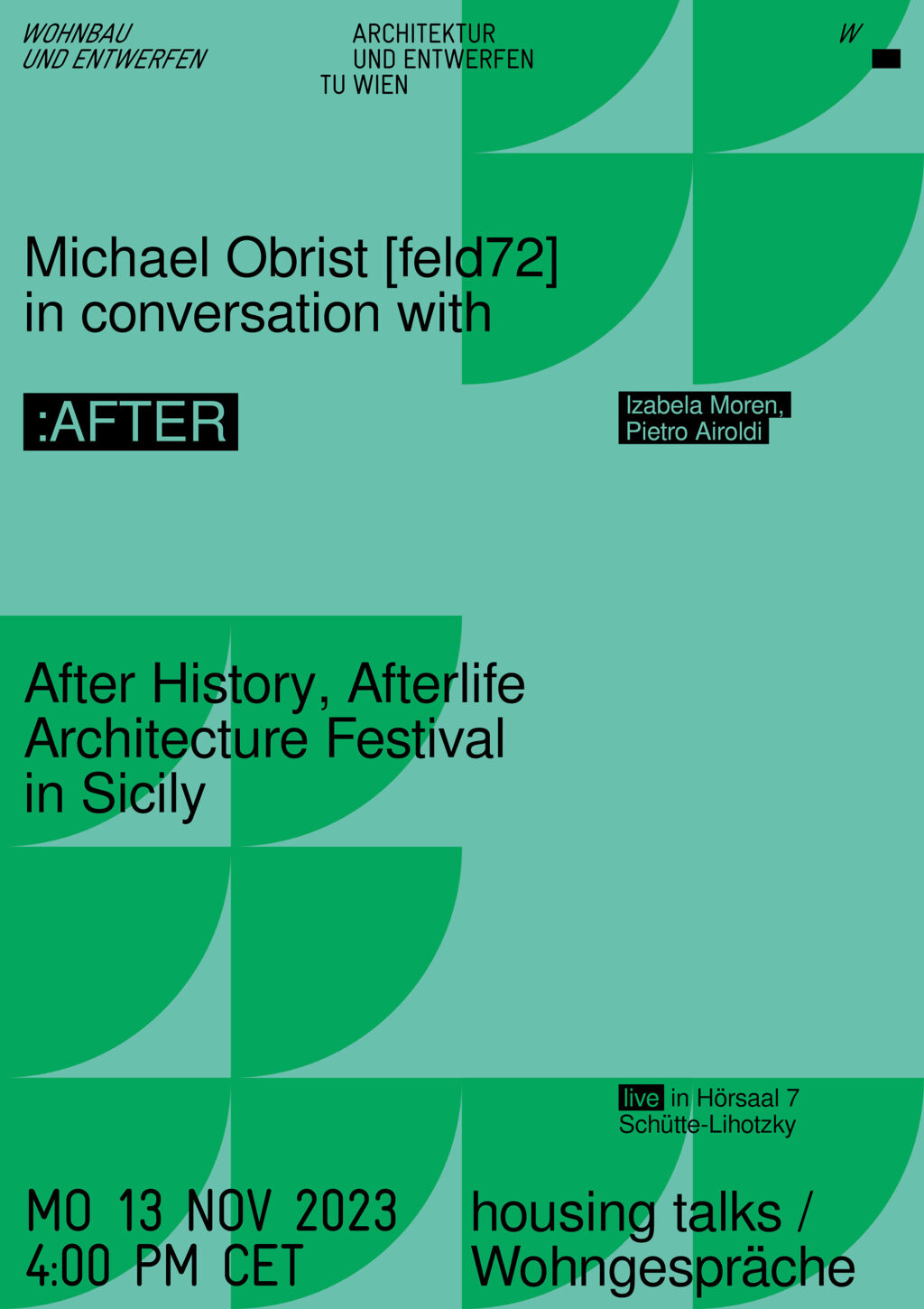
NOV 13, 2023
16:00
HOUSING TALKS:
IZABELA MOREN, PIETRO AIROLDI
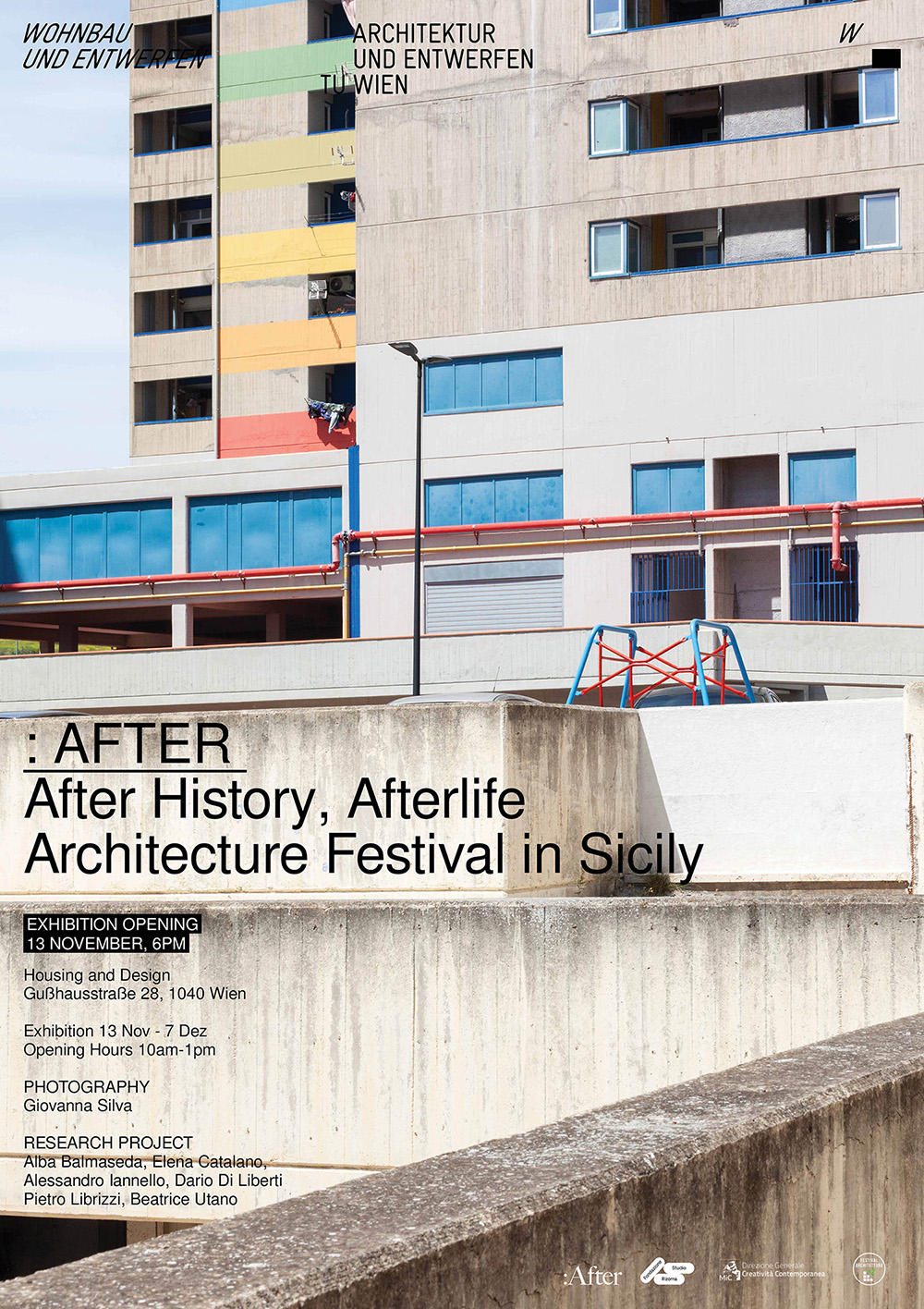
NOV 13, 2023
18:00
EXHIBITION:
MODERNITY SOUTH SOUTH

NOV 14, 2023
18:00
LECTURE:
STUDIO MUOTO
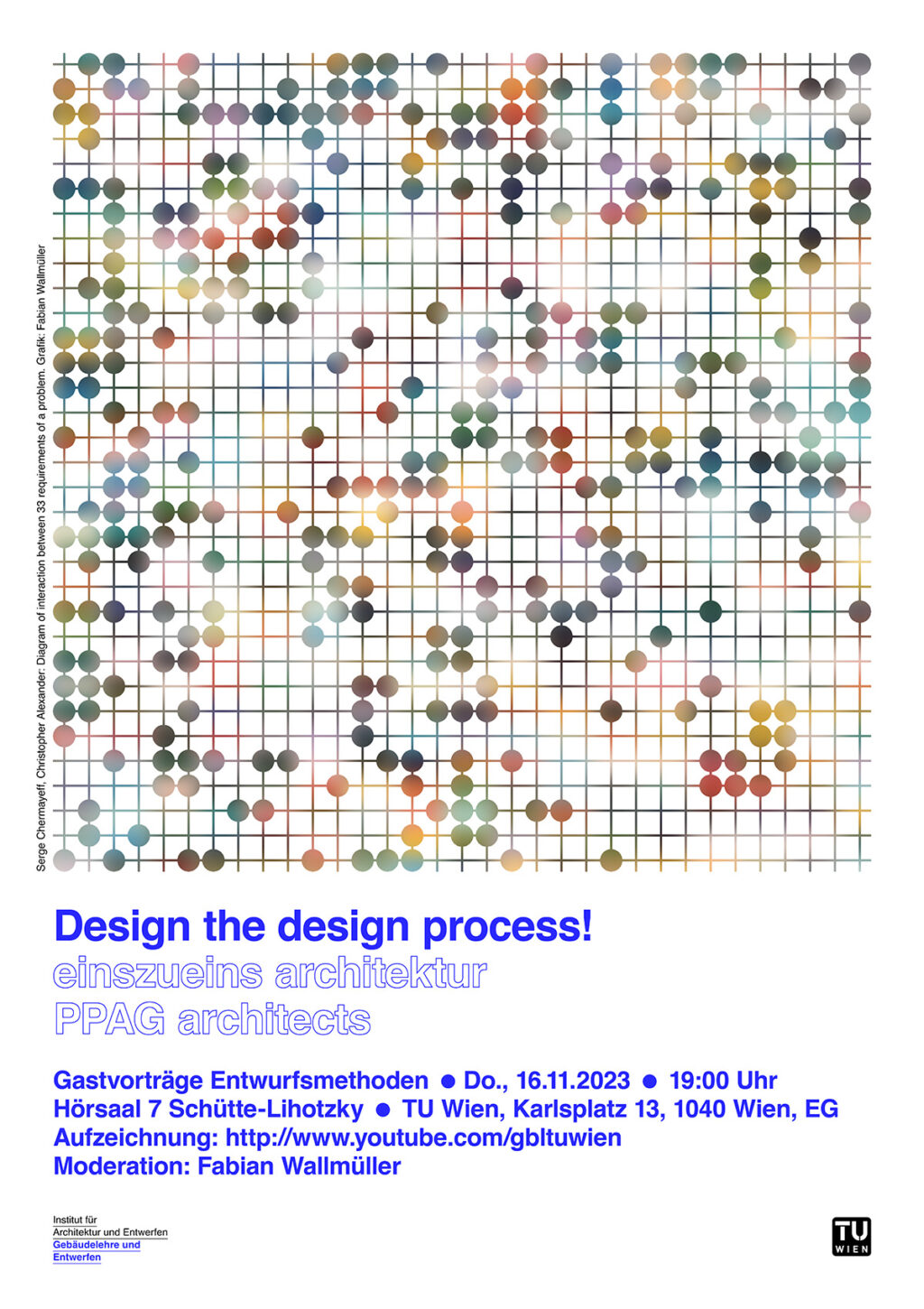
NOV 16, 2023
19:00
LECTURE:
einszueins architektur, PPAG architects
NOV 21, 2023
18:30
LECTURE:
MARIA SHÉHÉRAZADE GUIDICI
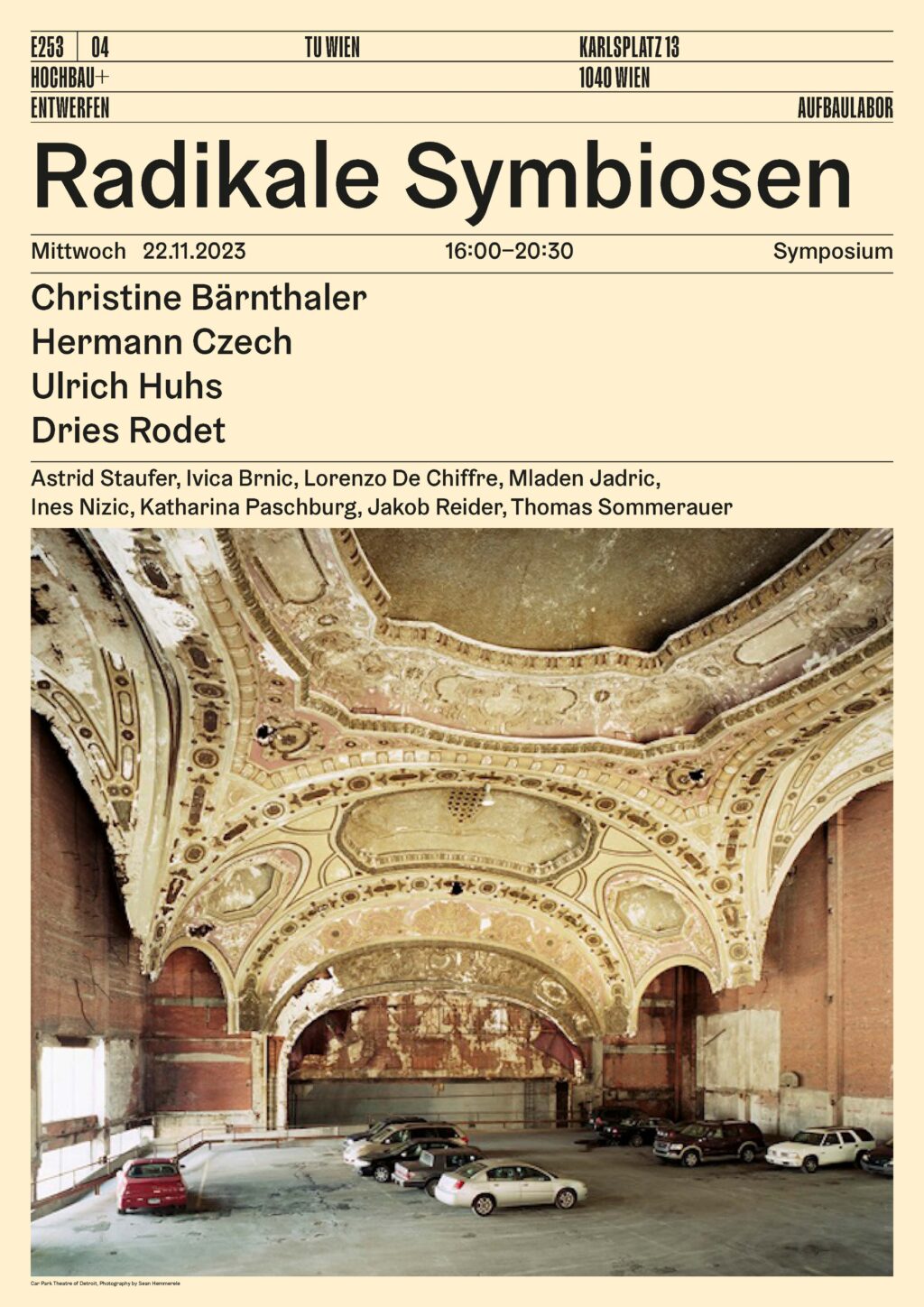
NOV 22, 2023
16:00
SYMPOSIUM:
RADIKALE SYMBIOSEN

NOV 24, 2023
18:00
BOOK LAUNCH:
EINE SKIZZENFIBEL
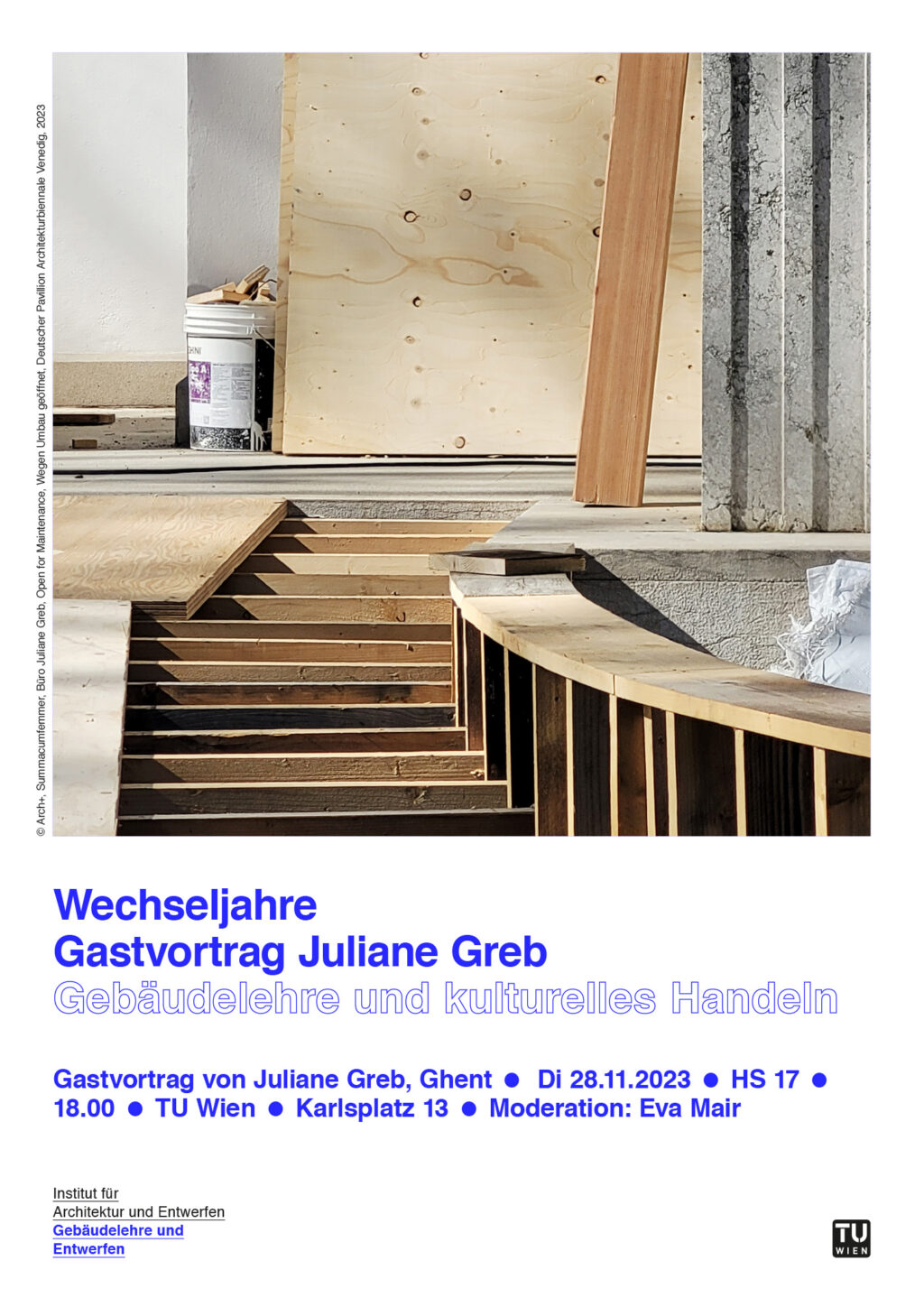
NOV 28, 2023
18:00
LECTURE:
JULIANE GREB
NOV 28, 2023
18:00
HOUSING TALKS:
DANIELE KARASZ
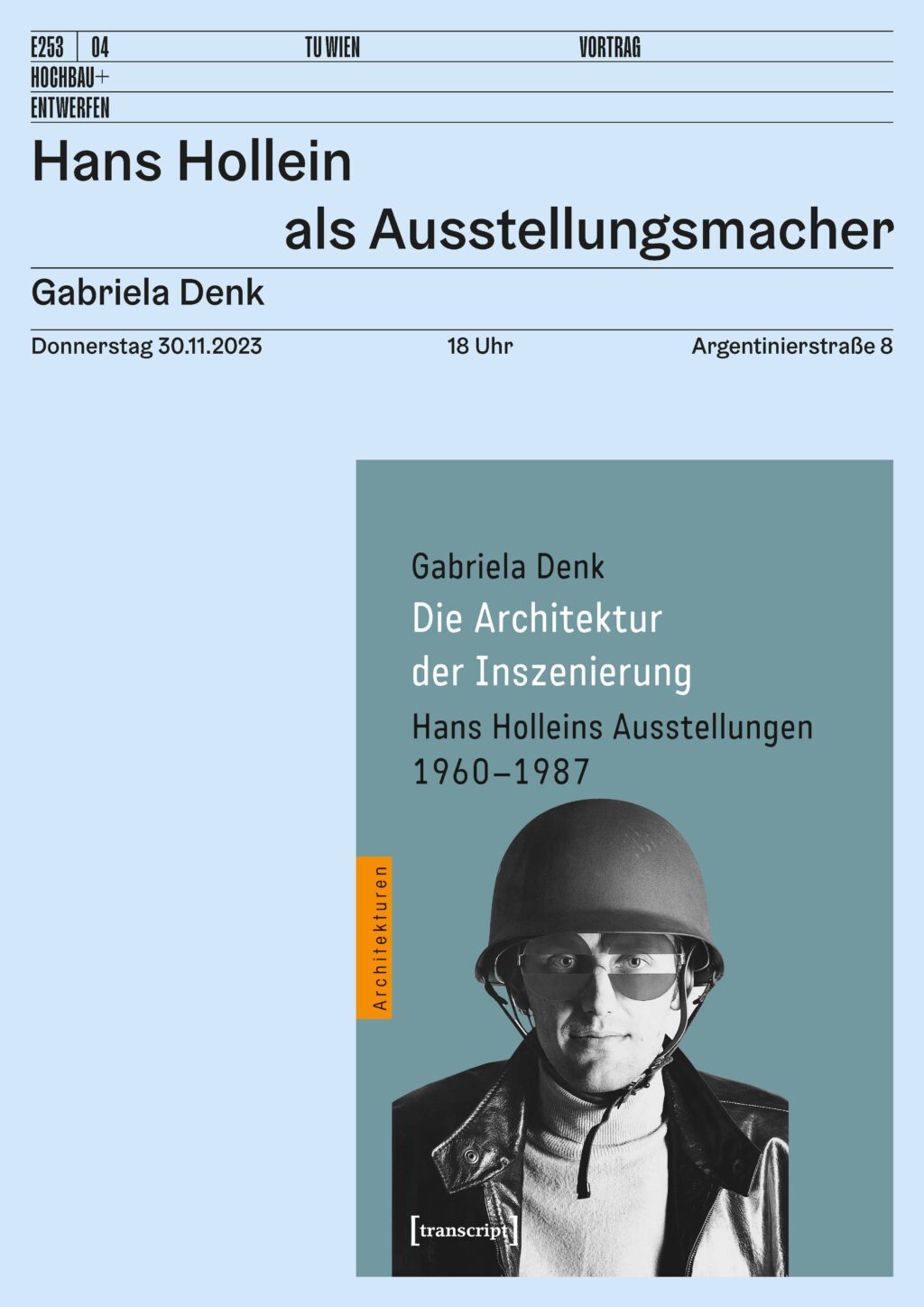
NOV 30, 2023
18:00
LECTURE:
GABRIELA DENK
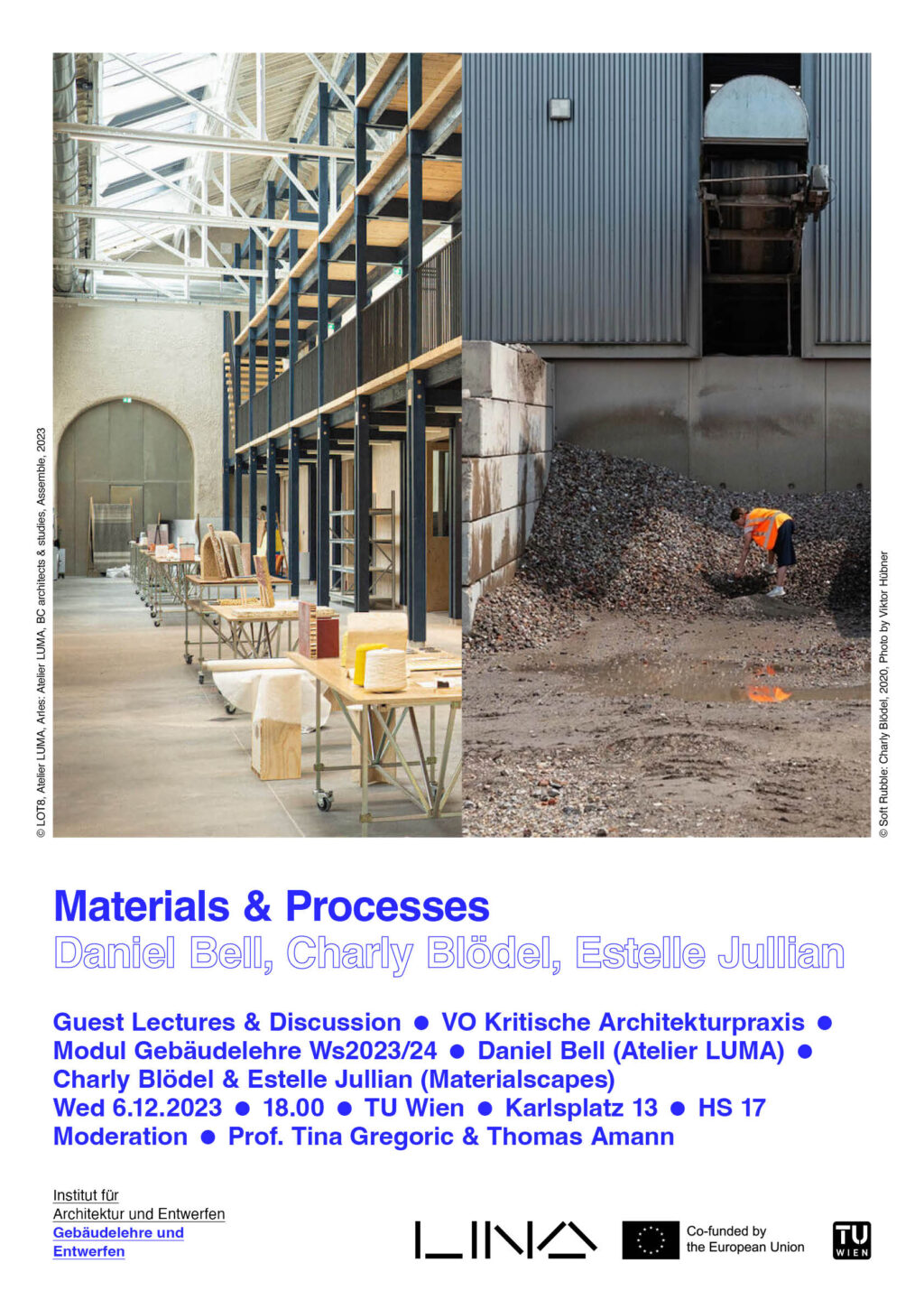
DEC 6, 2023
18:00
LECTURES:
DANIEL BELL, CHARLY BLÖDEL, ESTELLE JULLIAN
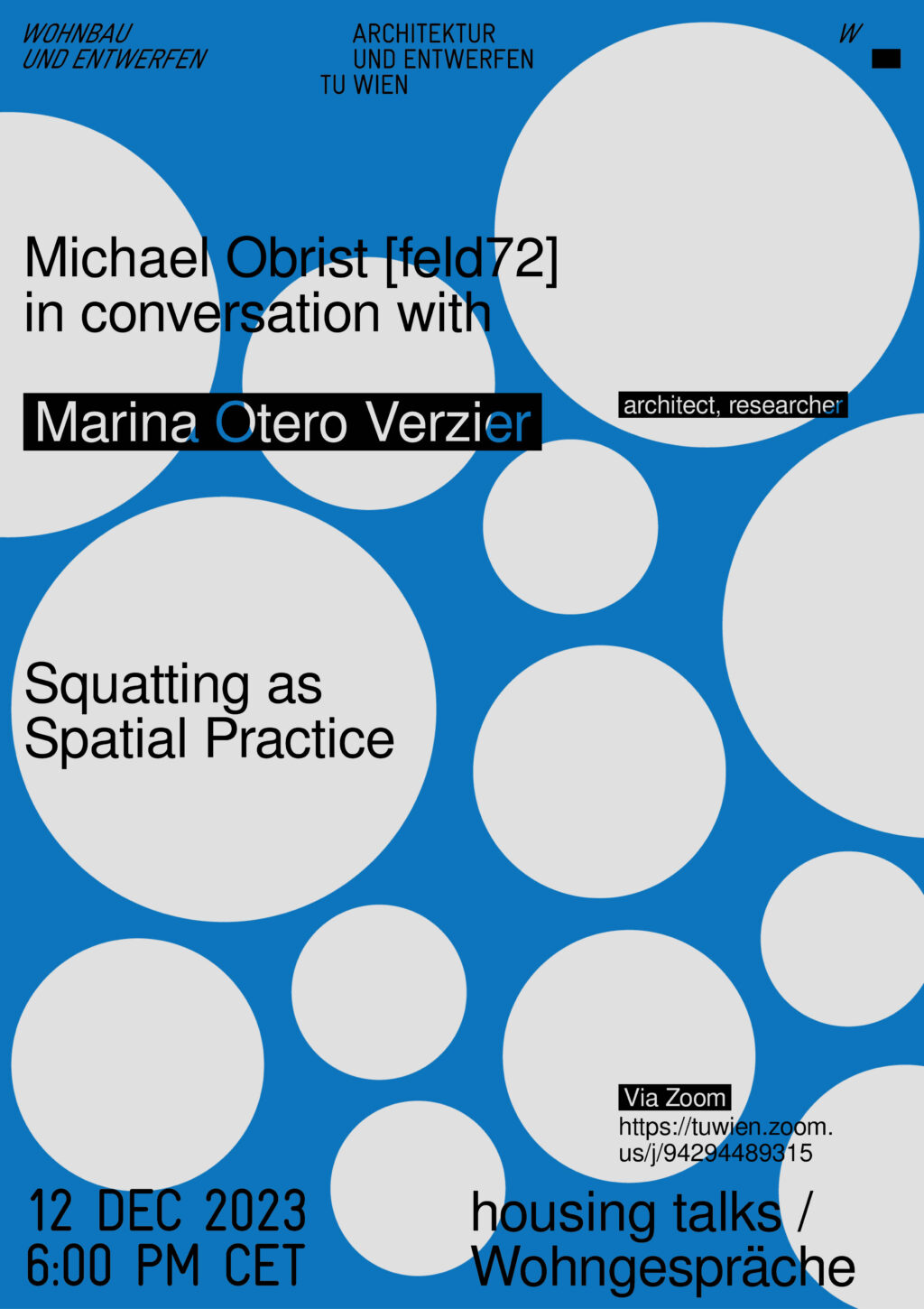
DEC 12, 2023
18:00
HOUSING TALKS:
MARINA OTERO VERZIER
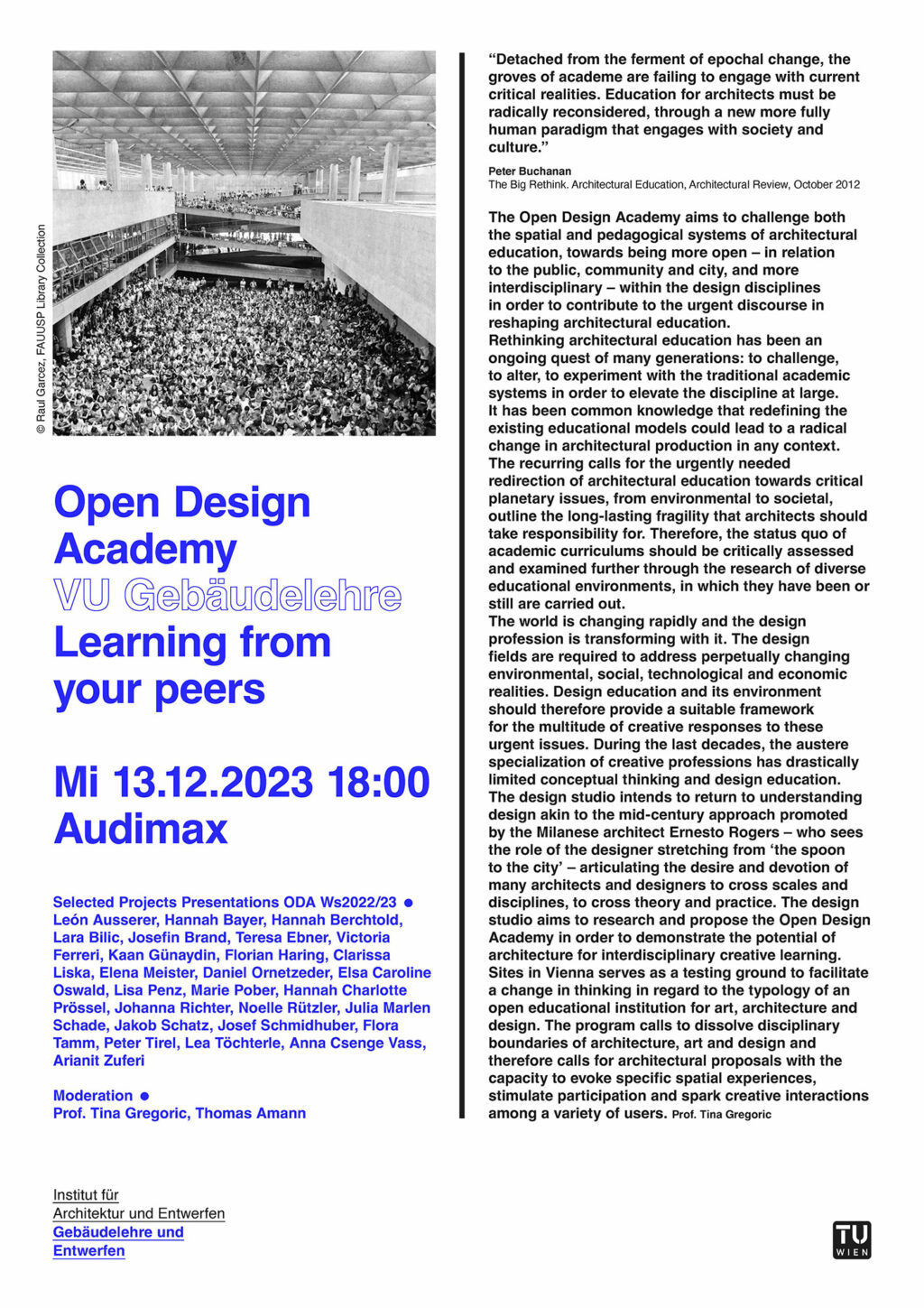
DEC 13, 2023
18:00
LECTURES:
OPEN DESIGN ACADEMY – LEARNING FROM YOUR PEERS
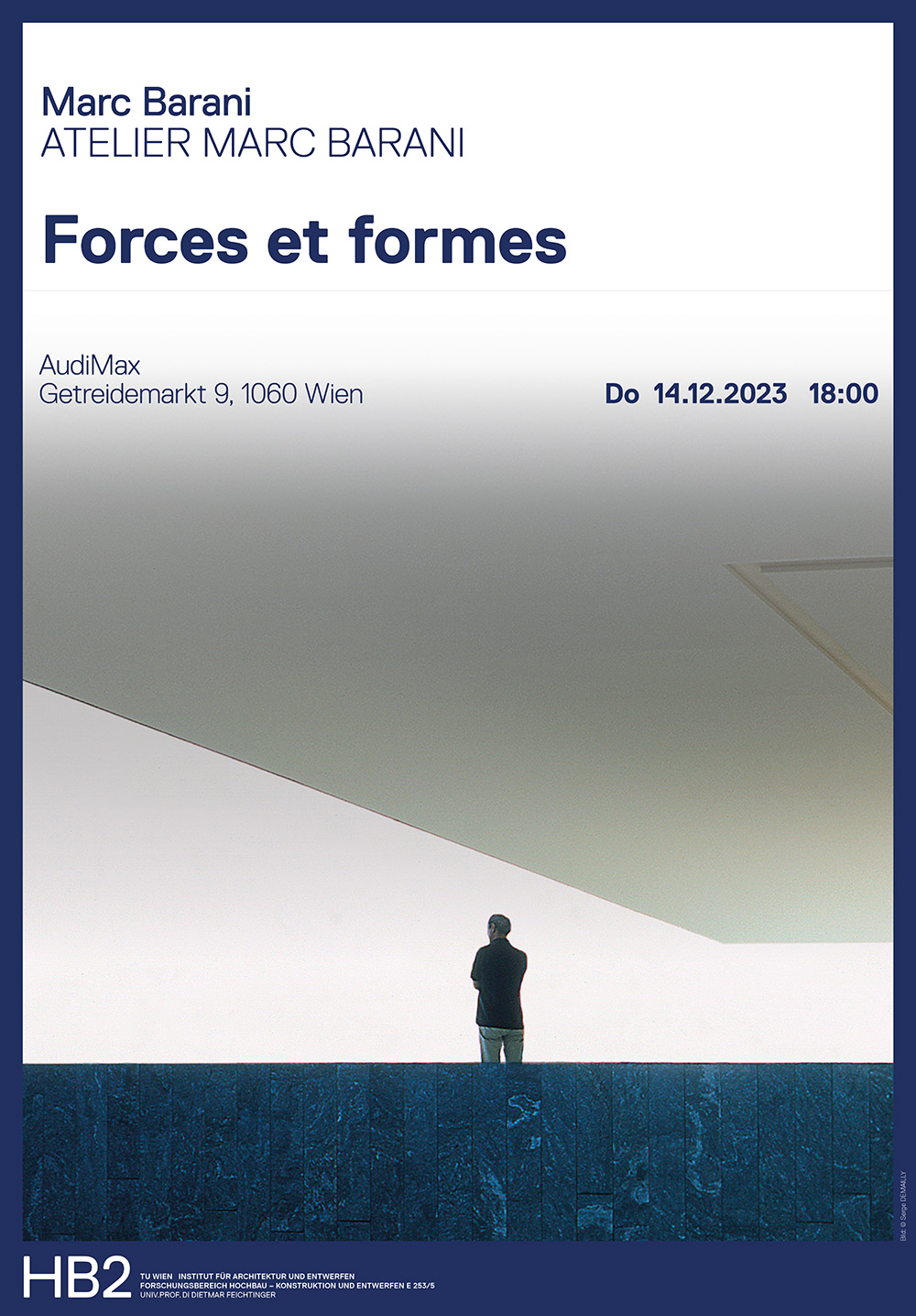
DEC 14, 2023
18:00
LECTURE:
Marc Barani
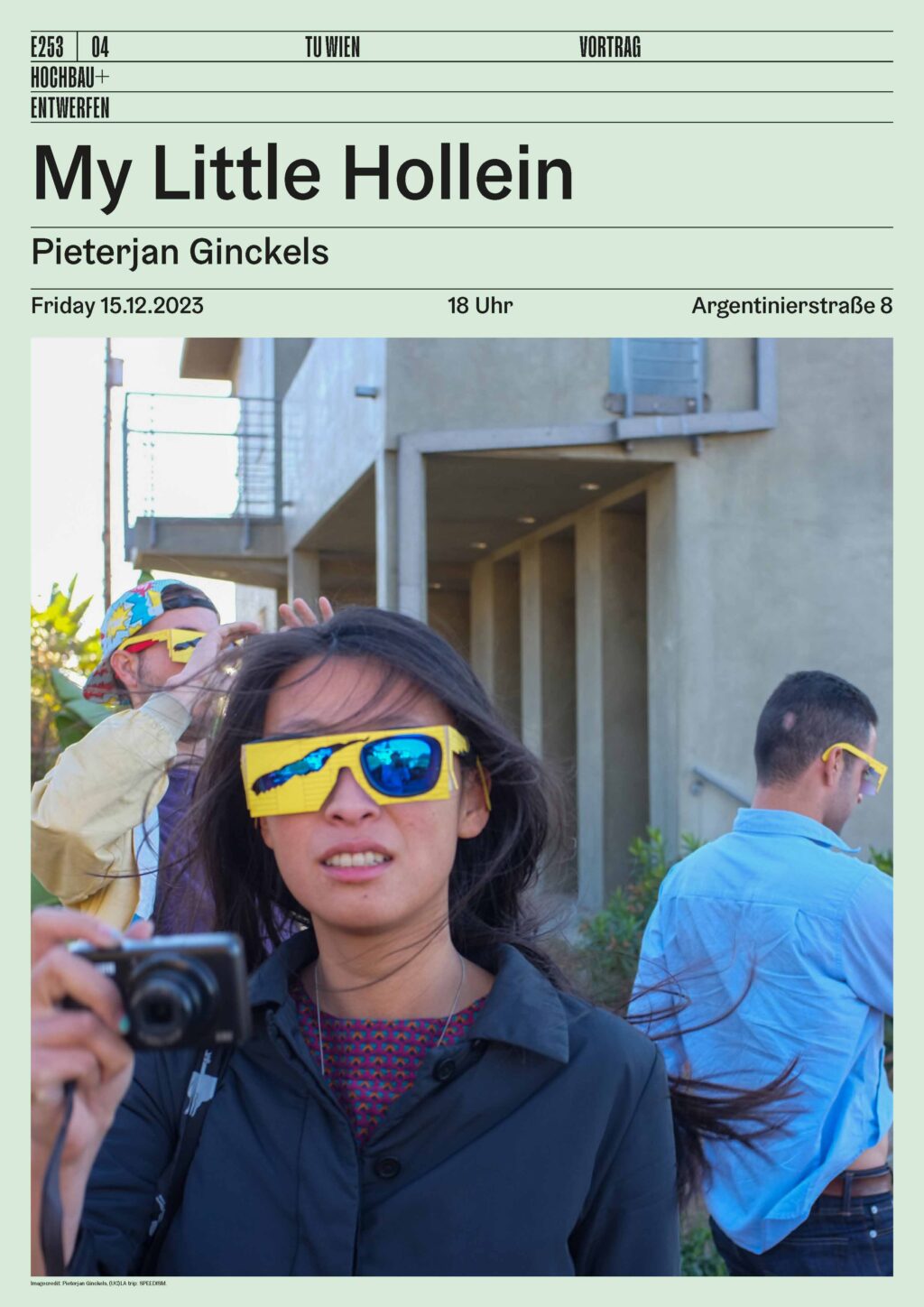
DEC 15, 2023
18:00
LECTURE:
PIETERJAN GINCKELS, KU LEUVEN
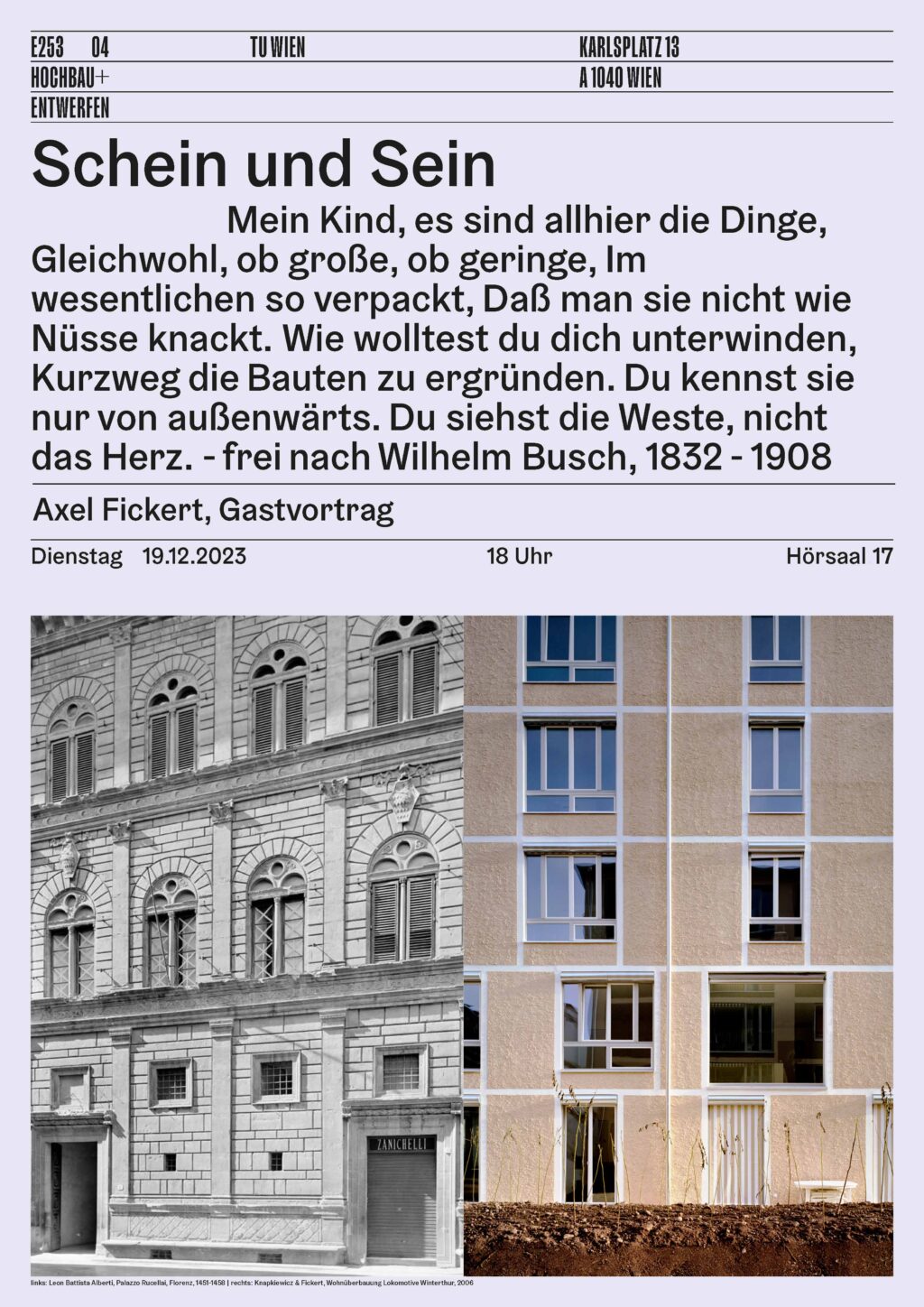
DEC 19, 2023
18:00
LECTURE:
AXEL FICKERT, KNAPKIEWICZ & FICKERT

DEC 20, 2023
18:30
BOOK LAUNCH:
ENTWURFF EINER HISTORISCHEN ARCHITEKTUR
JAN 9, 2024
18:00
HOUSING TALKS:
ANGELIKA HINTER-
BRANDNER
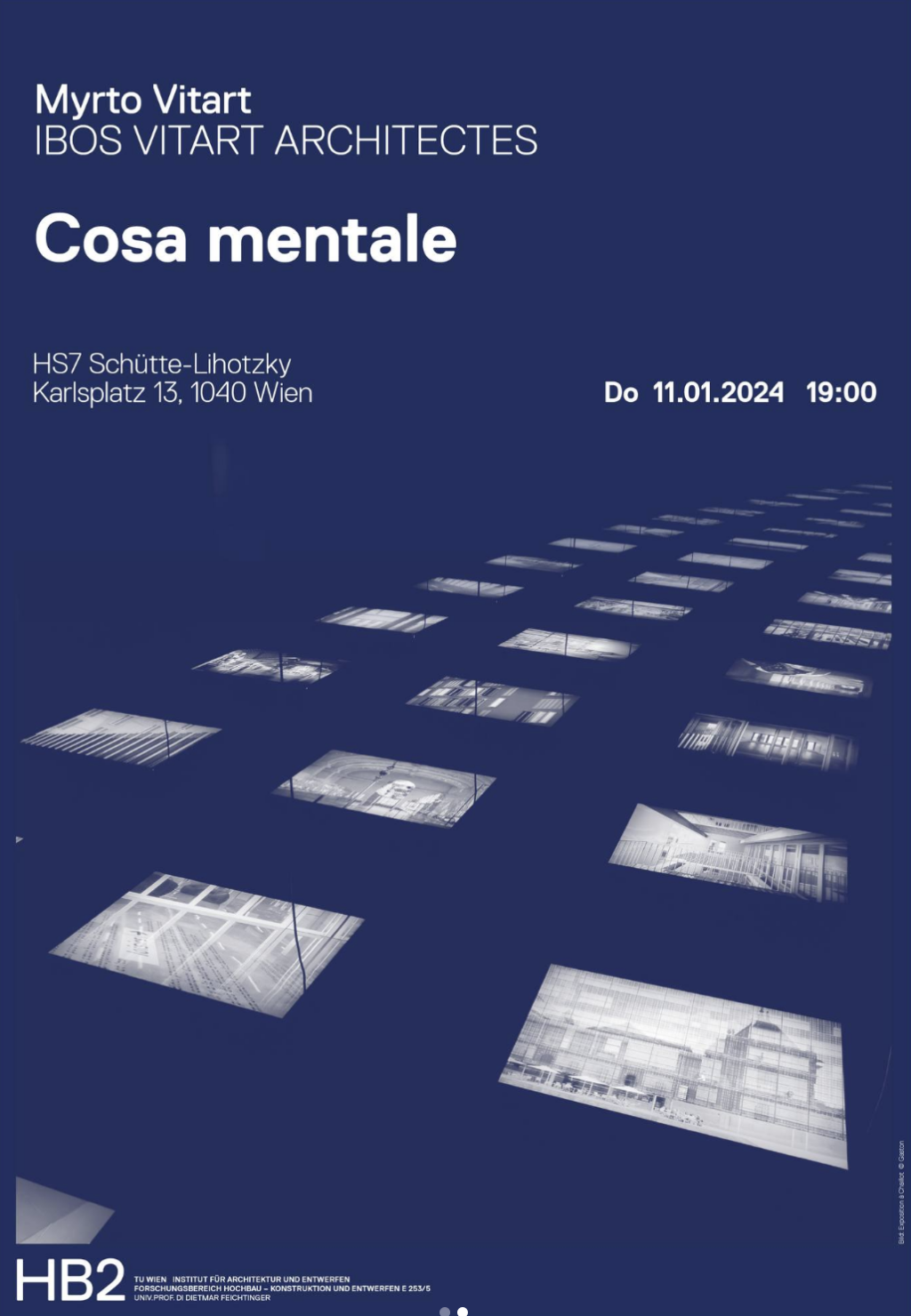
JAN 11, 2024
19:00
LECTURE:
Myrto Vitart
JAN 16, 2024
18:00
HOUSING TALKS:
EDIT [ALBERTE LAURIDSEN]
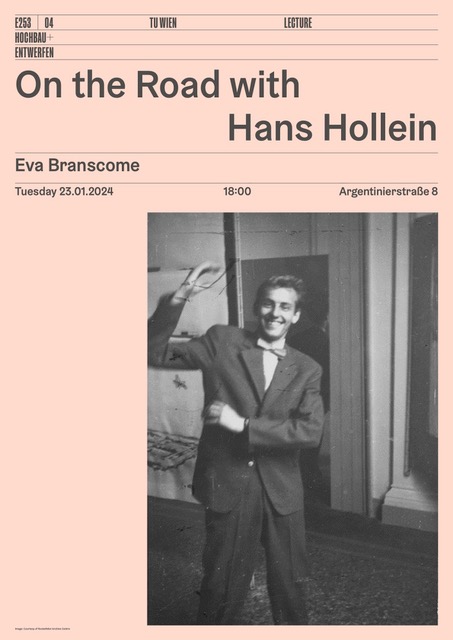
JAN 23, 2024
18:00
LECTURE:
Eva Branscome
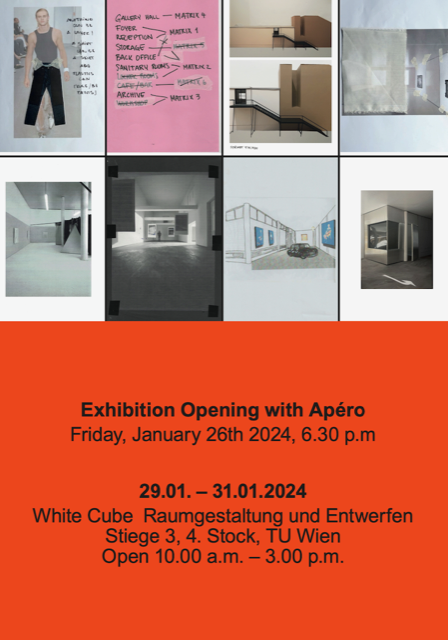
JAN 26, 2024
18:30
EXHIBITION:
DISPLAY & EXHIBIT CASE STUDY HELMUT LANG
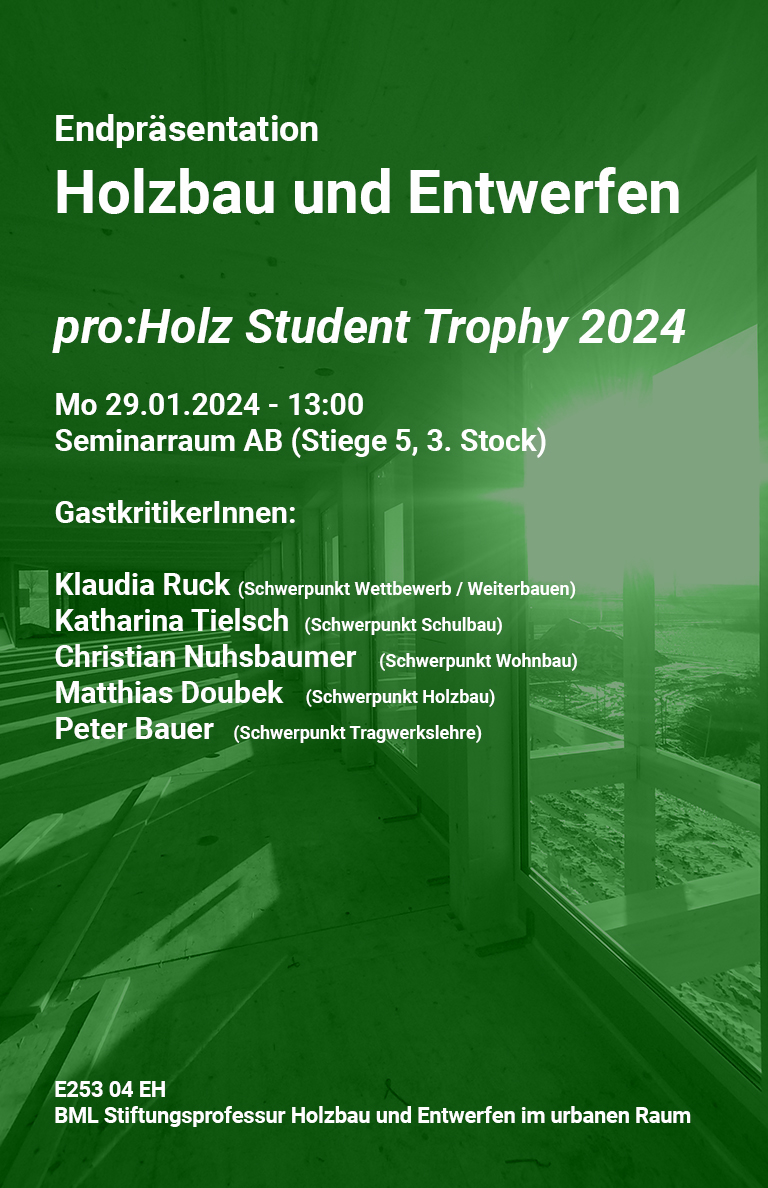
JAN 29, 2024
13:00
PRESENTATION & DISCUSSION:
proHolz Student Trophy 24
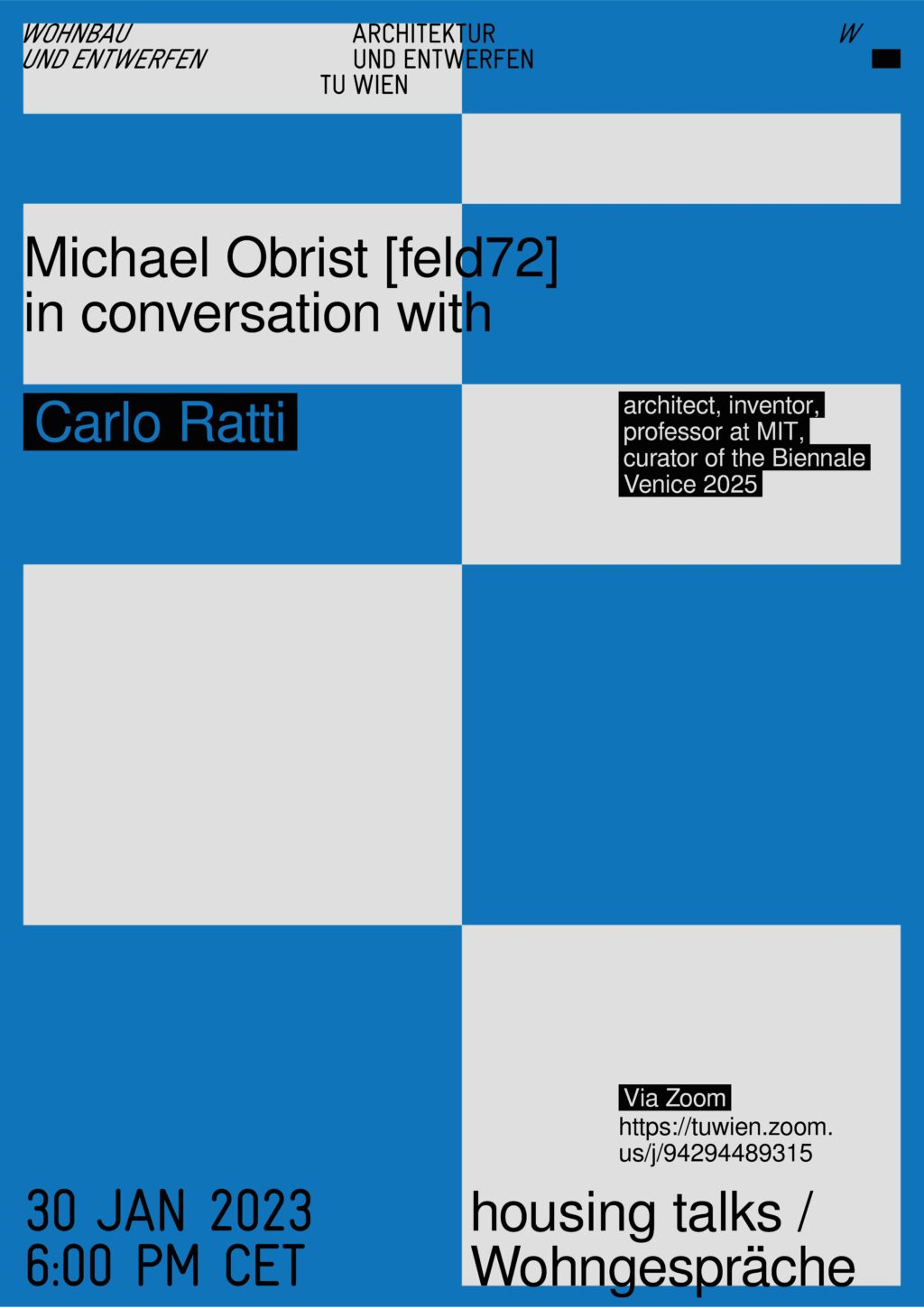
JAN 30, 2024
18:00
HOUSING TALKS: CARLO RATTI
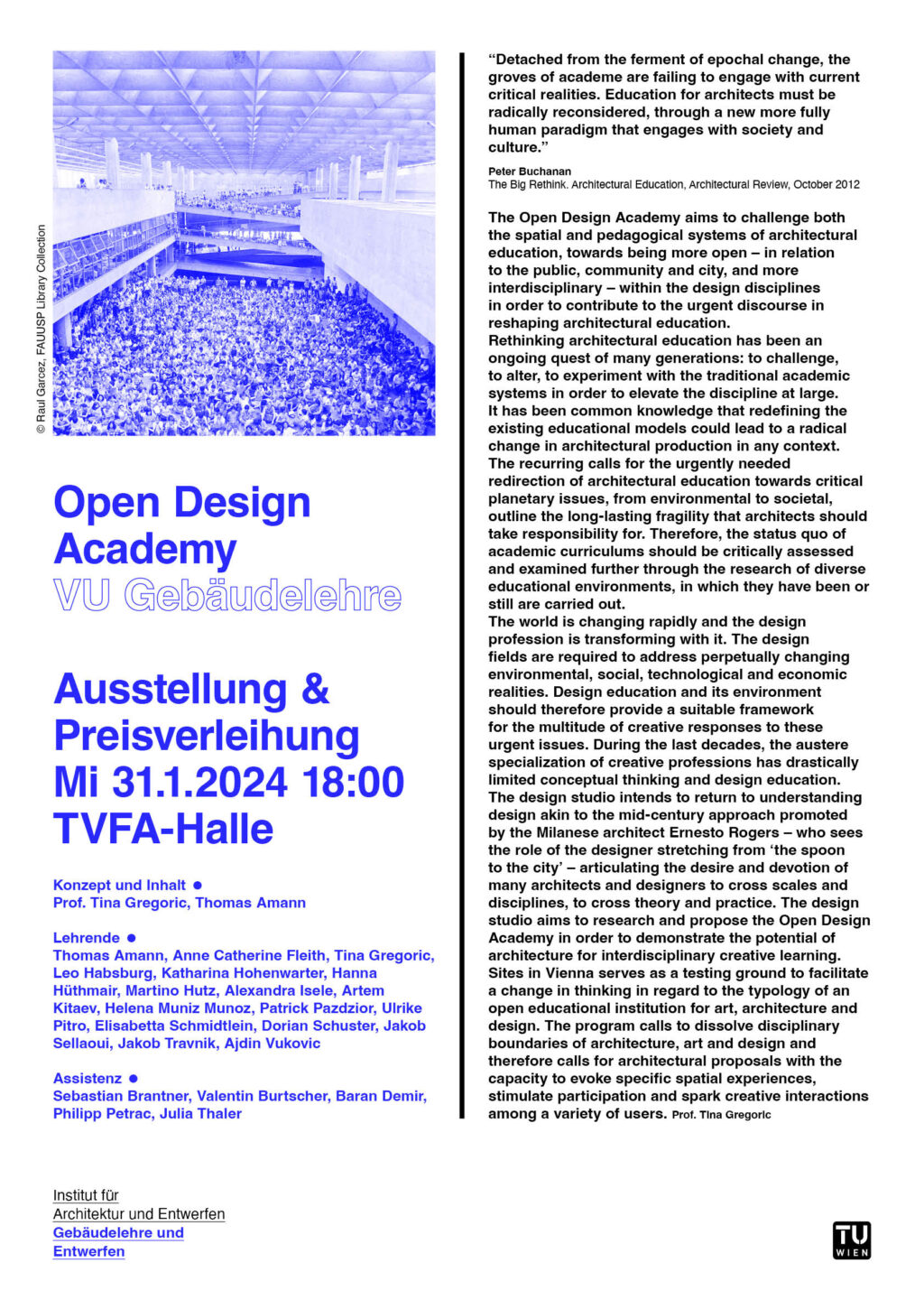
JAN 31, 2024
18:00
EXHIBITION:
OPEN DESIGN ACADEMY
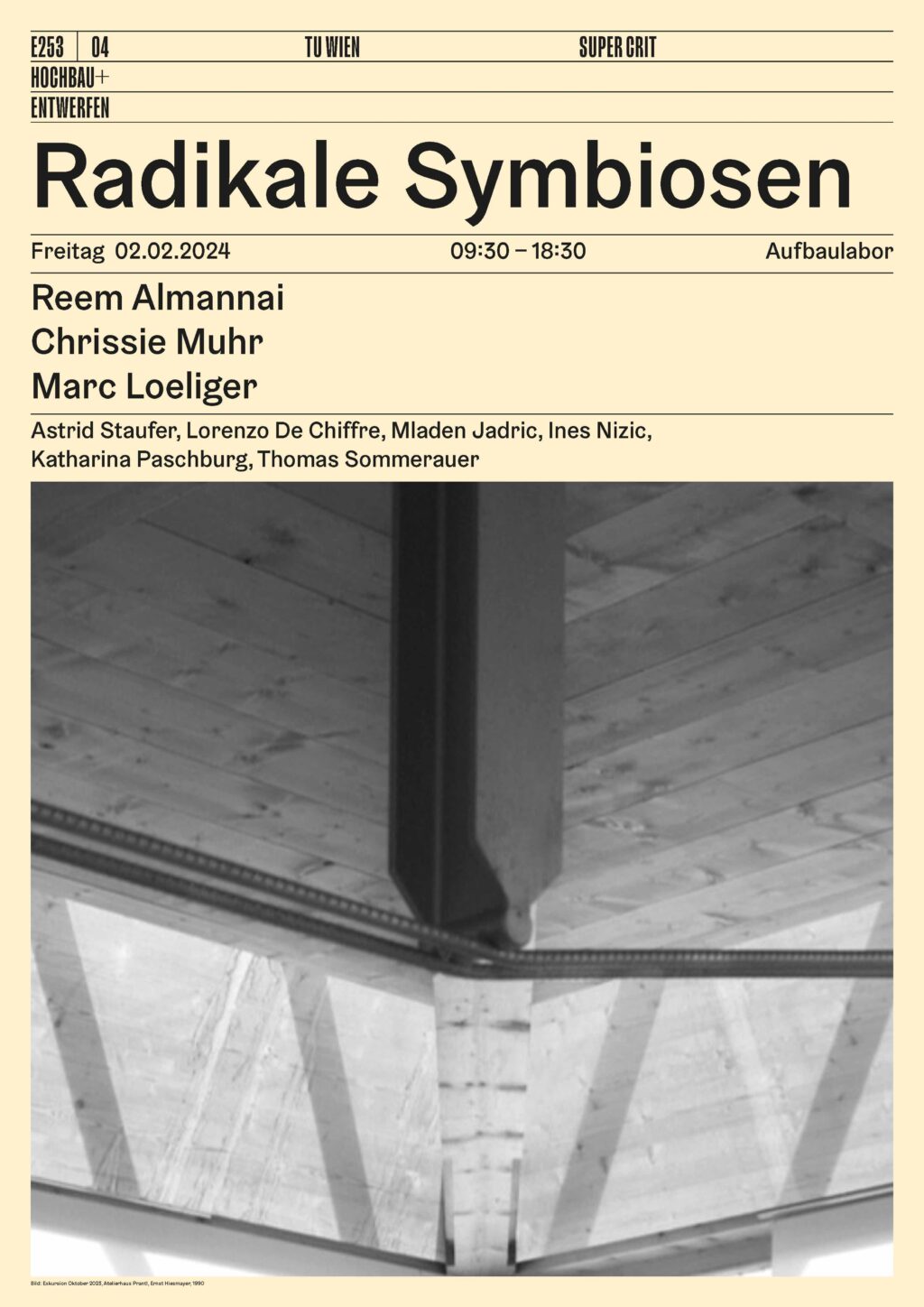
FEB 2, 2024
09:30
SUPERCRIT, EXHIBITION & DISCUSSION:
RADIKALE SYMBIOSEN
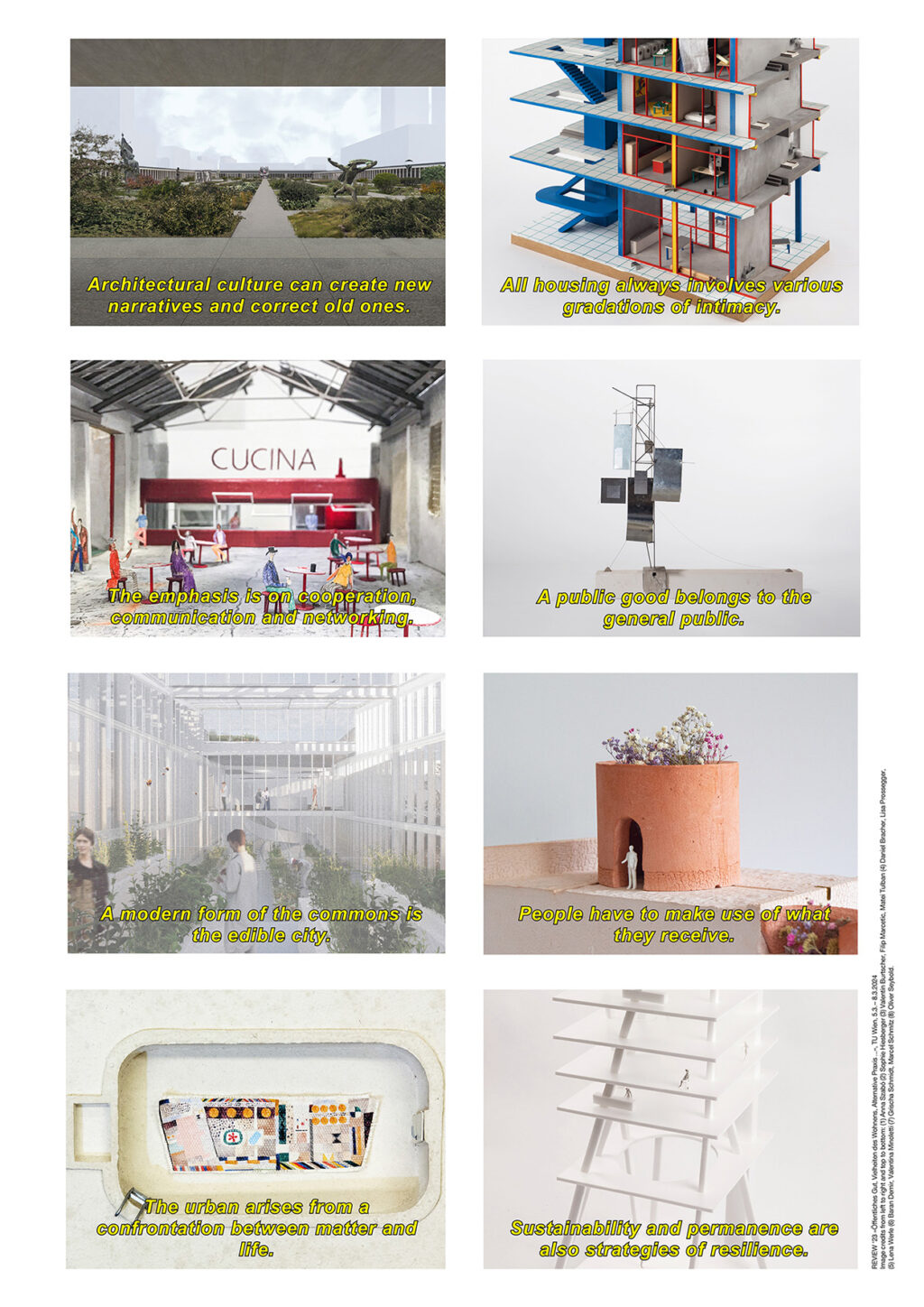
MAR 4, 2024
18:30
EXHIBITION:
REVIEW’23
MAR 6, 2024
18:00
ROUNDTABLE DISCUSSION:
REVIEW’23
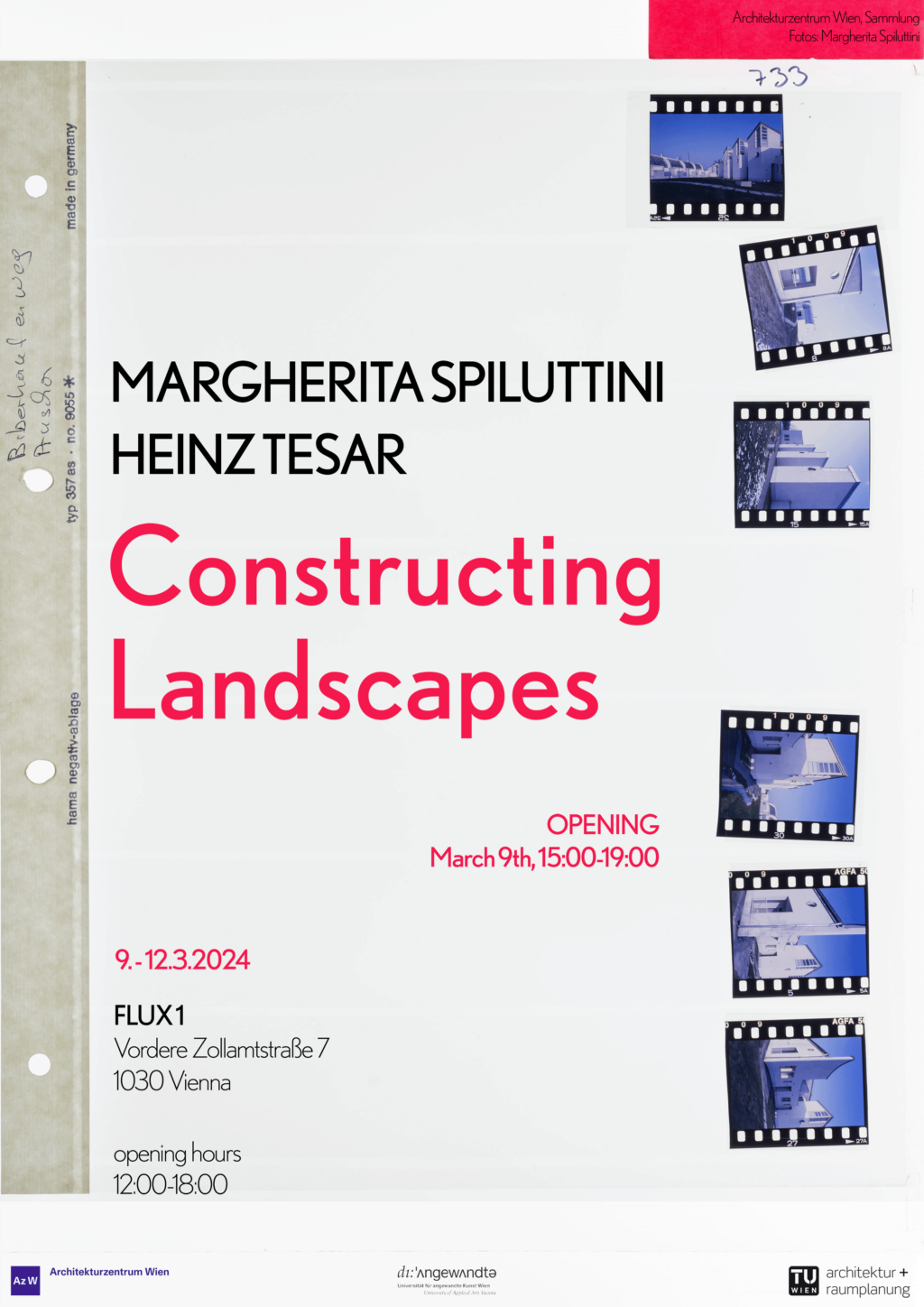
MAR 9, 2024
15:00
EXHIBITION:
CONSTRUCTING LANDSCAPES – Margherita Spiluttini & Heinz Tesar
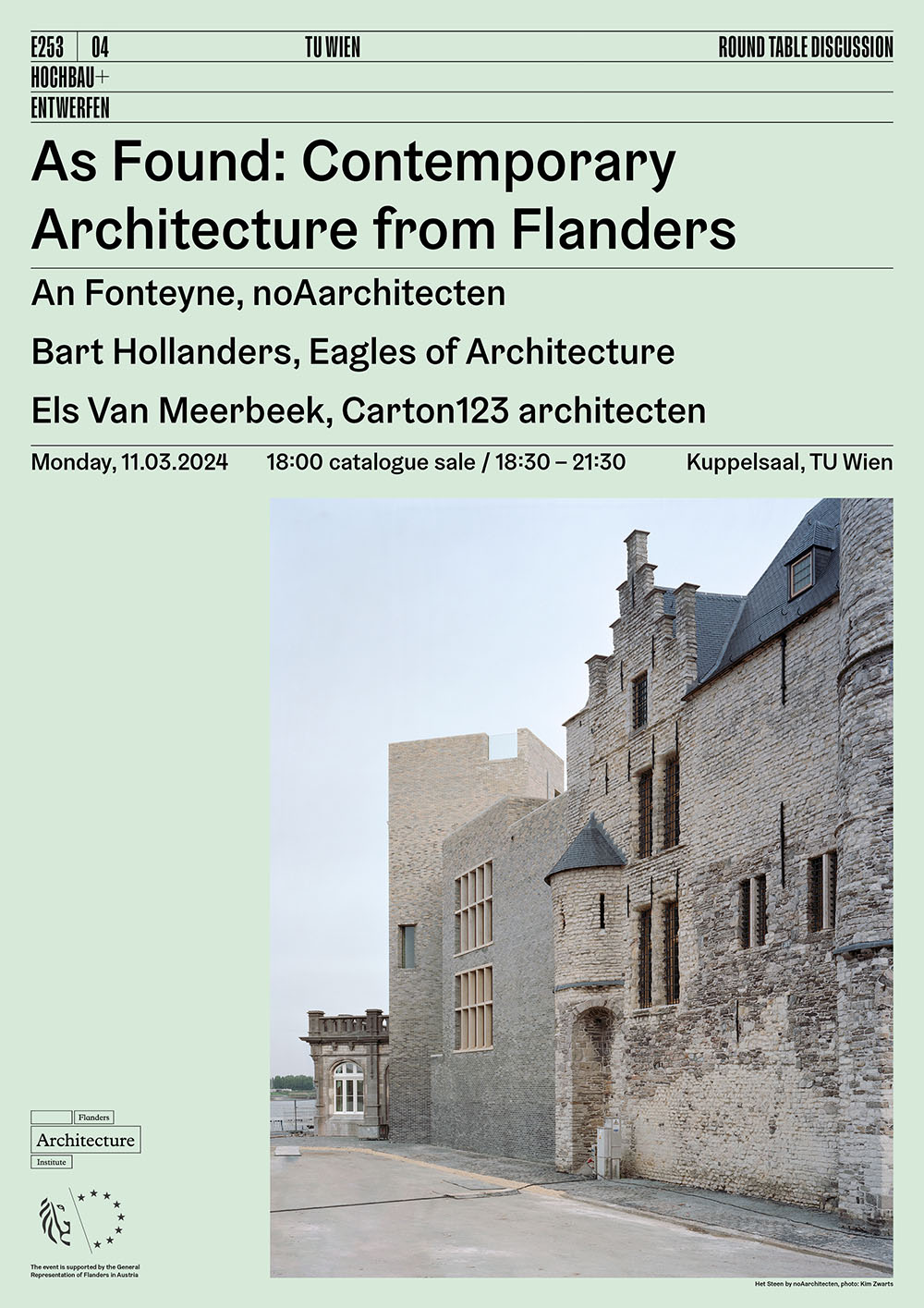
MAR 11, 2024
18:00
DISCUSSION:
An Fonteyne, Bart Hollanders, Els Van Meerbeek
MAR 13, 2024
18:30
LECTURE:
ELKE KRASNY
MAR 19, 2024
18:00
HOUSING TALKS:
VERENA KONRAD [vai]
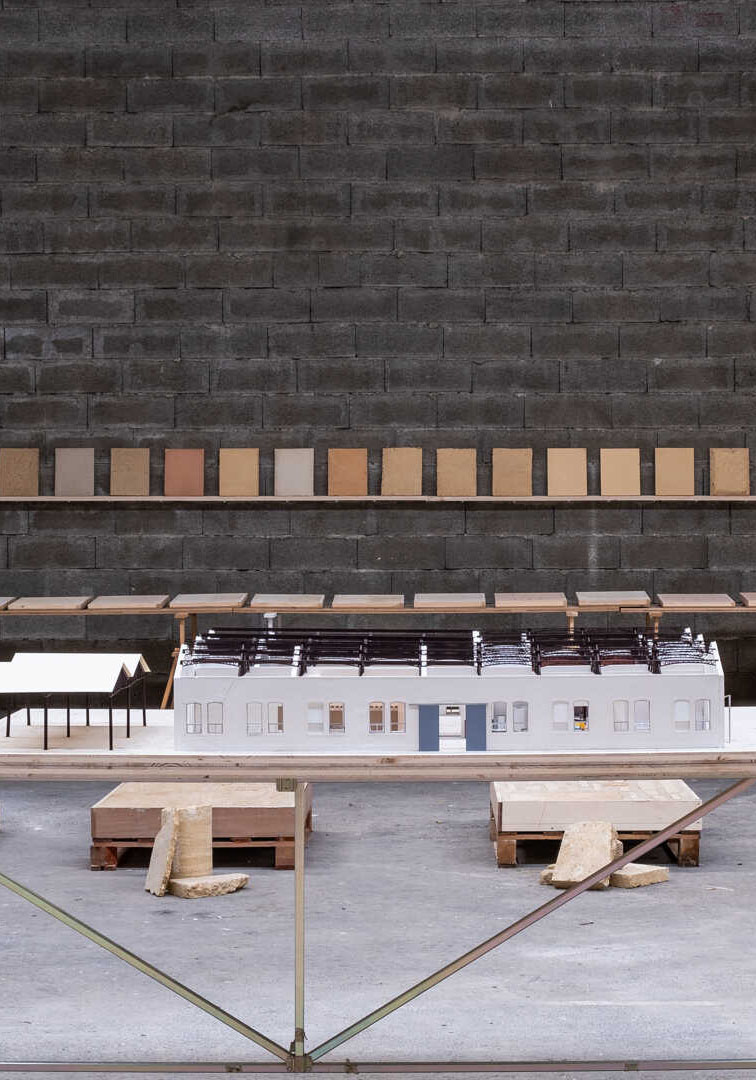
APR 8, 2024
17:00
OPENING EVENT & LECTURE:
BIOFABRIQUE VIENNA
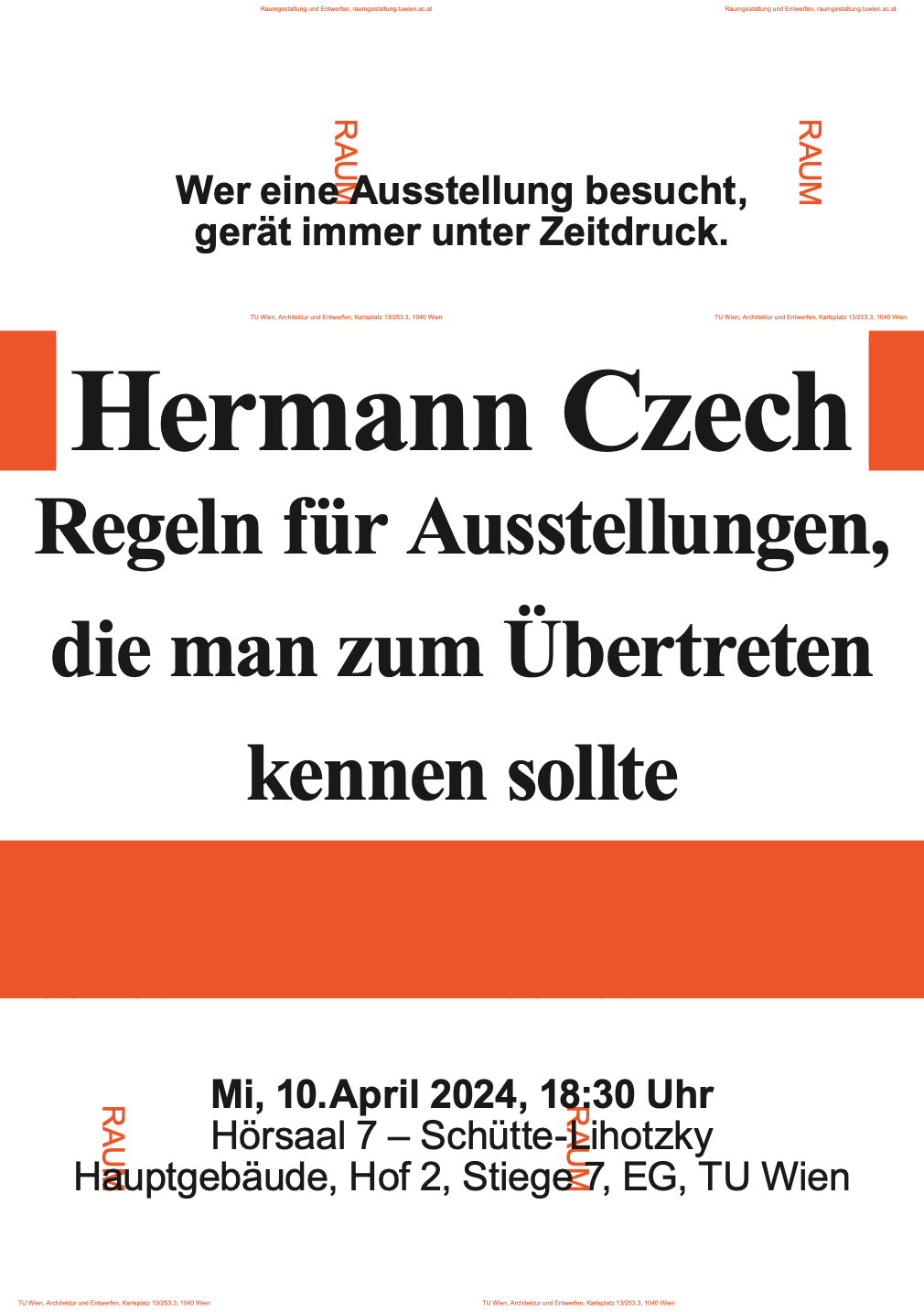
APR 10, 2024
18:30
LECTURE:
HERMANN CZECH
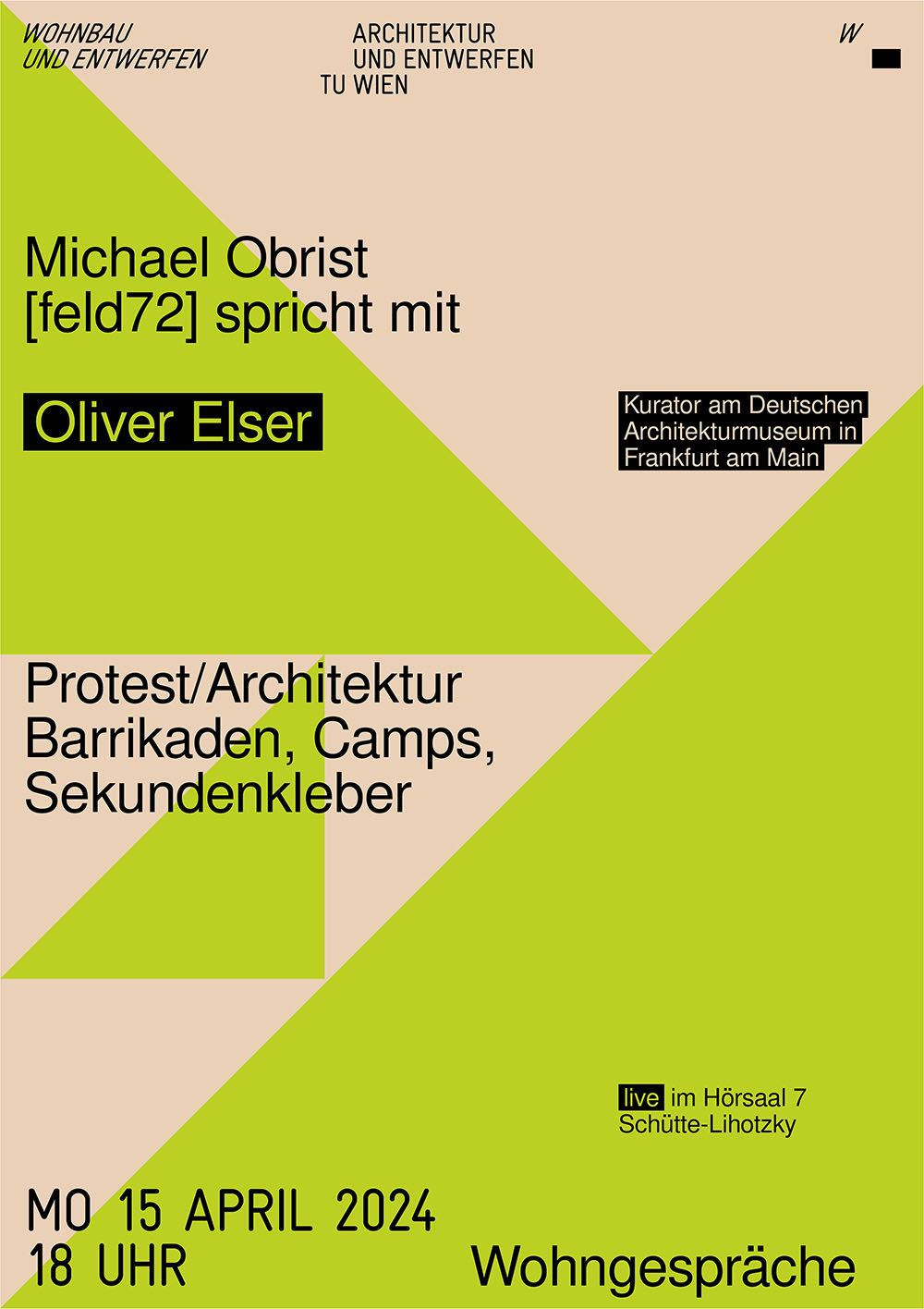
APR 15, 2024
18:00
HOUSING TALKS:
OLIVER ELSER
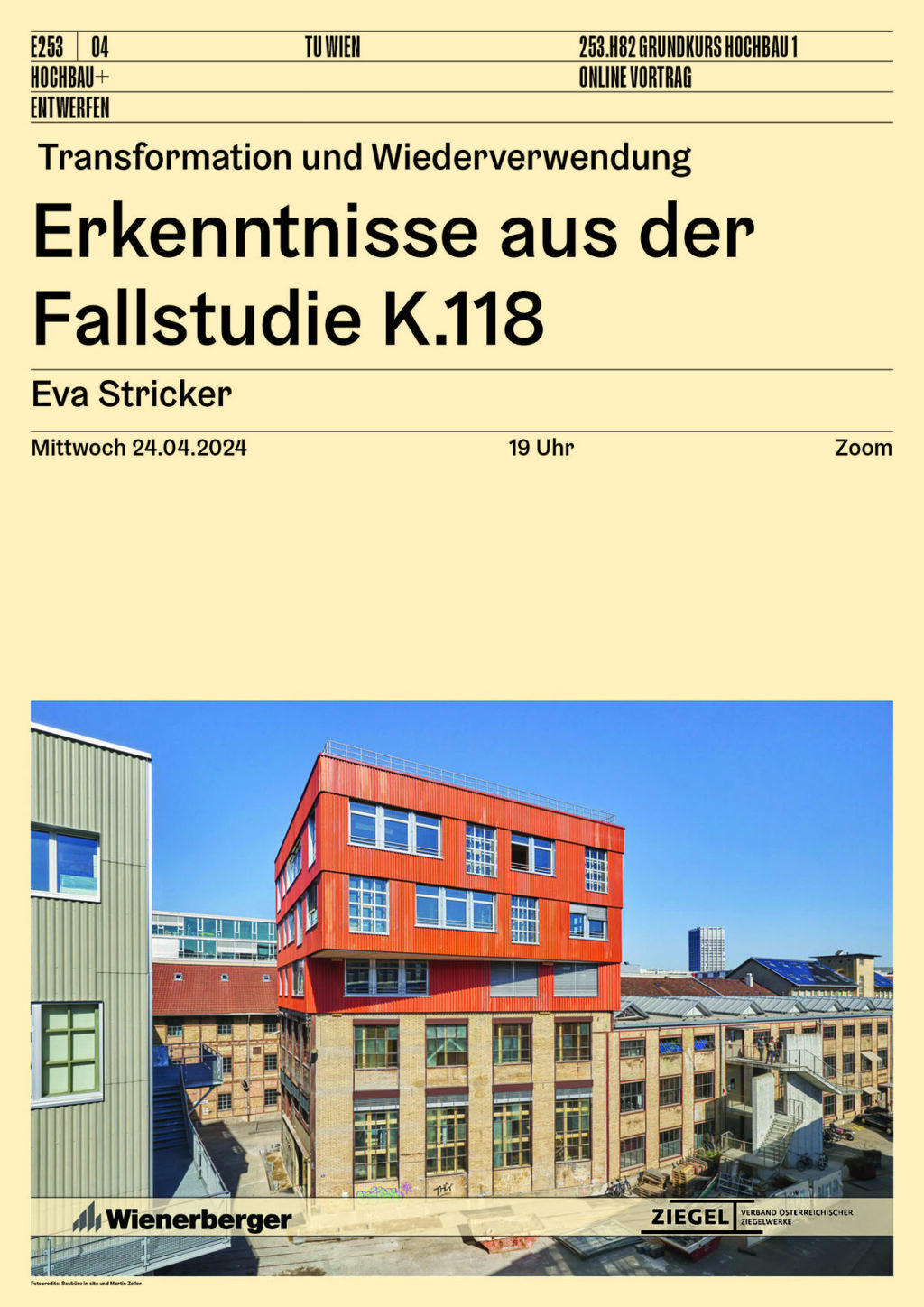
APR 24, 2024
19:00
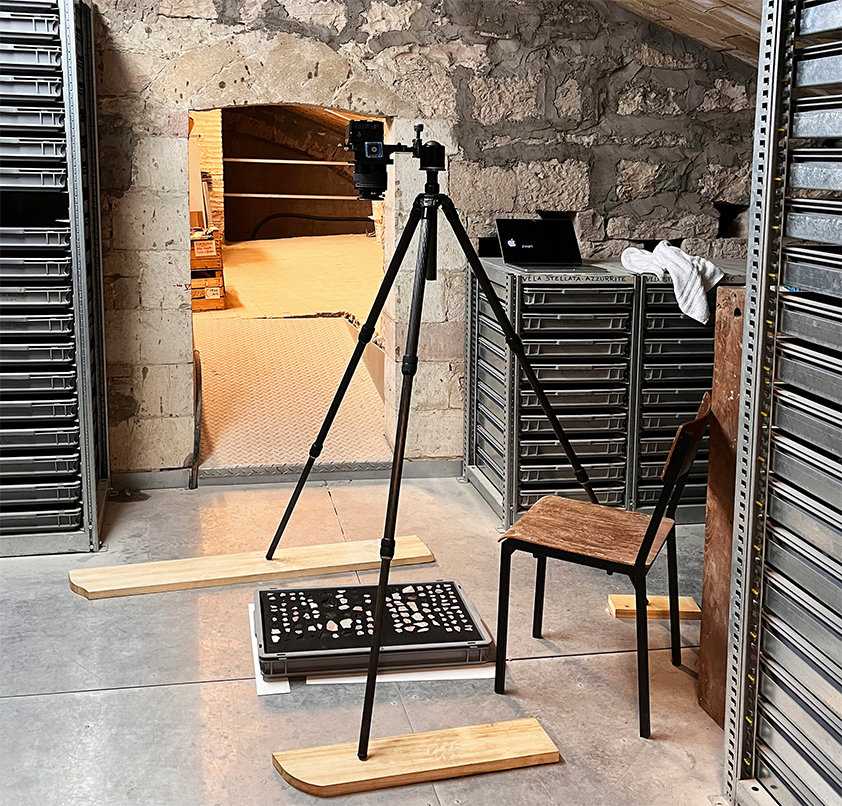
LECTURE:
EVA STRICKER
MAY 2, 2024
18:00
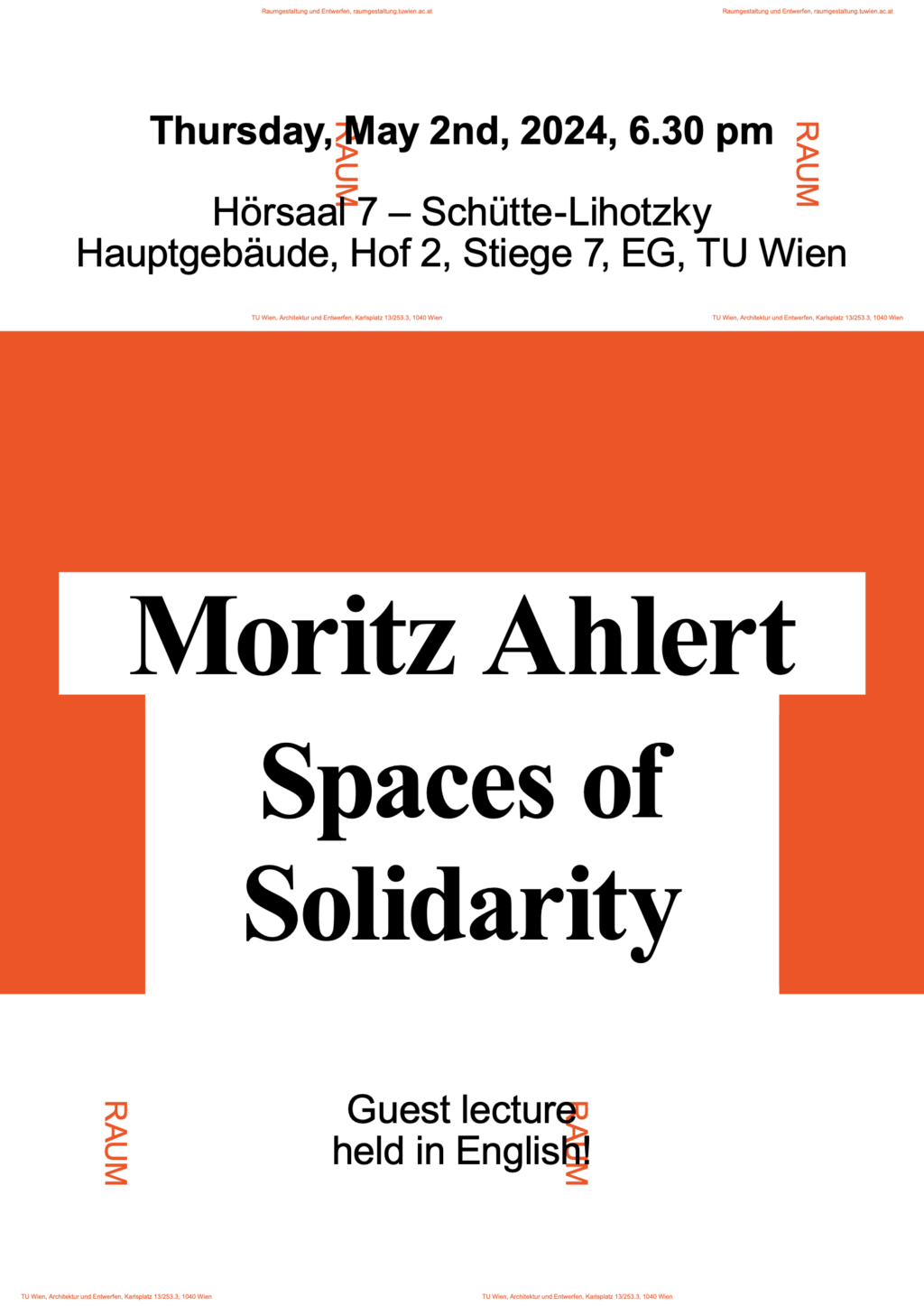
LECTURE:
BAS PRINCEN
MAY 2, 2024
18:30
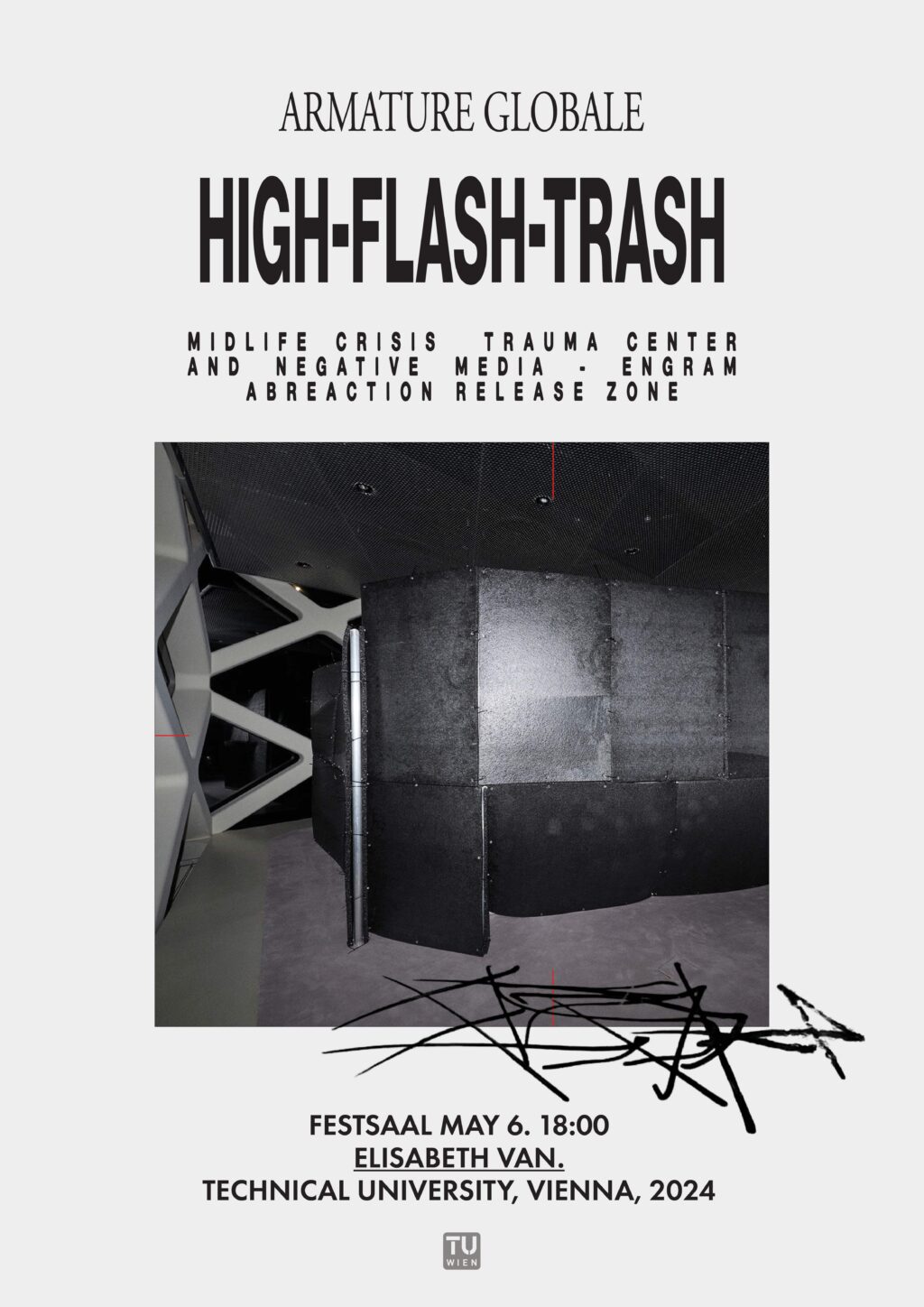
LECTURE:
MORITZ AHLERT
MAY 6, 2024
18:00
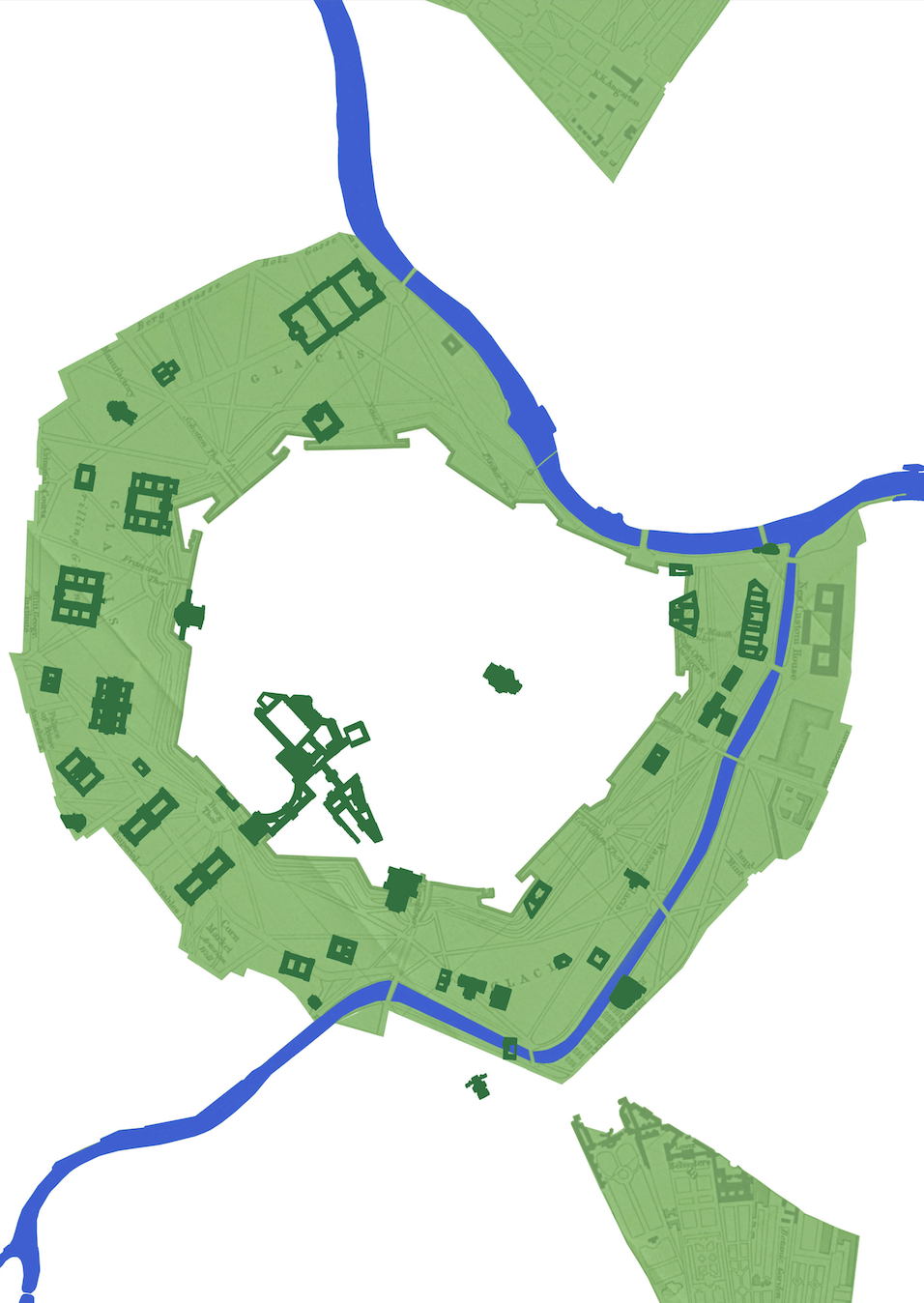
LECTURE:
LUIGI ALBERTO CIPPINI
MAY 8, 2024
09:00
EXHIBITION:
EIN NEUES HAUS DER BOTANIK
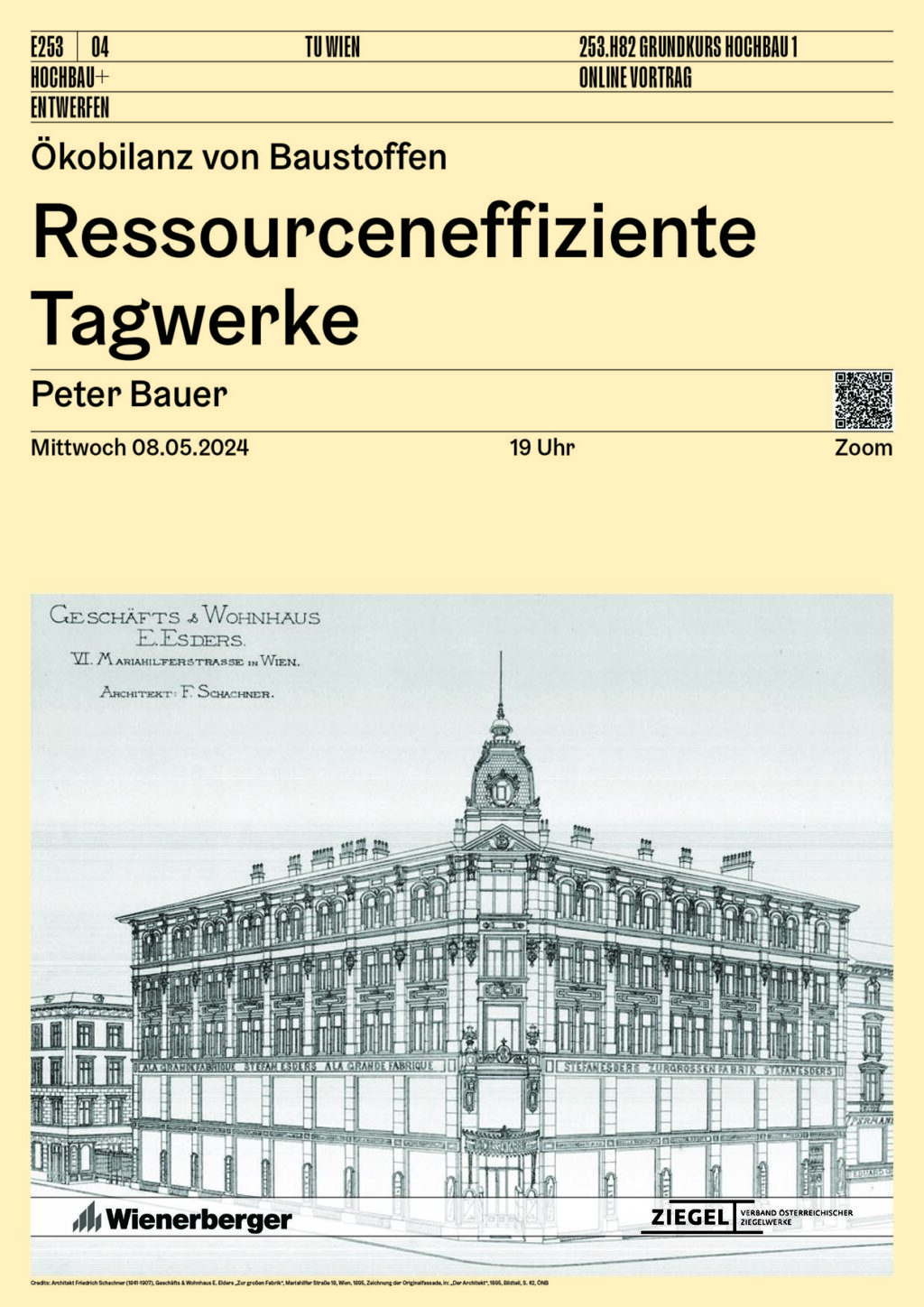
MAY 8, 2024
19:00
LECTURE:
PETER BAUER

MAY 16, 2024
19:00
LECTURE:
UMBERTO NAPOLITANO
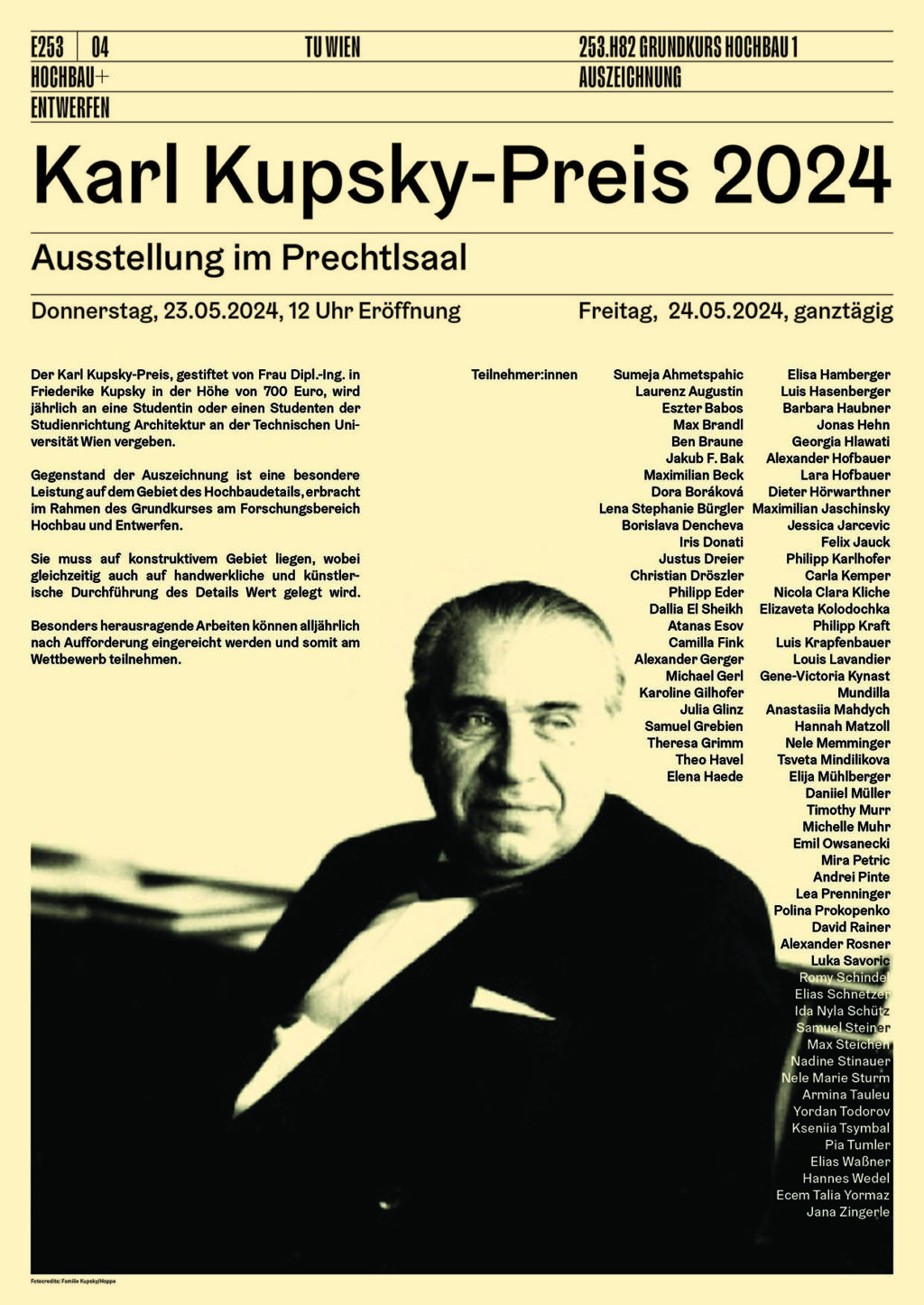
MAY 23, 2024
12:15
EXHIBITION:
KARL KUPSKY-PREIS 2024
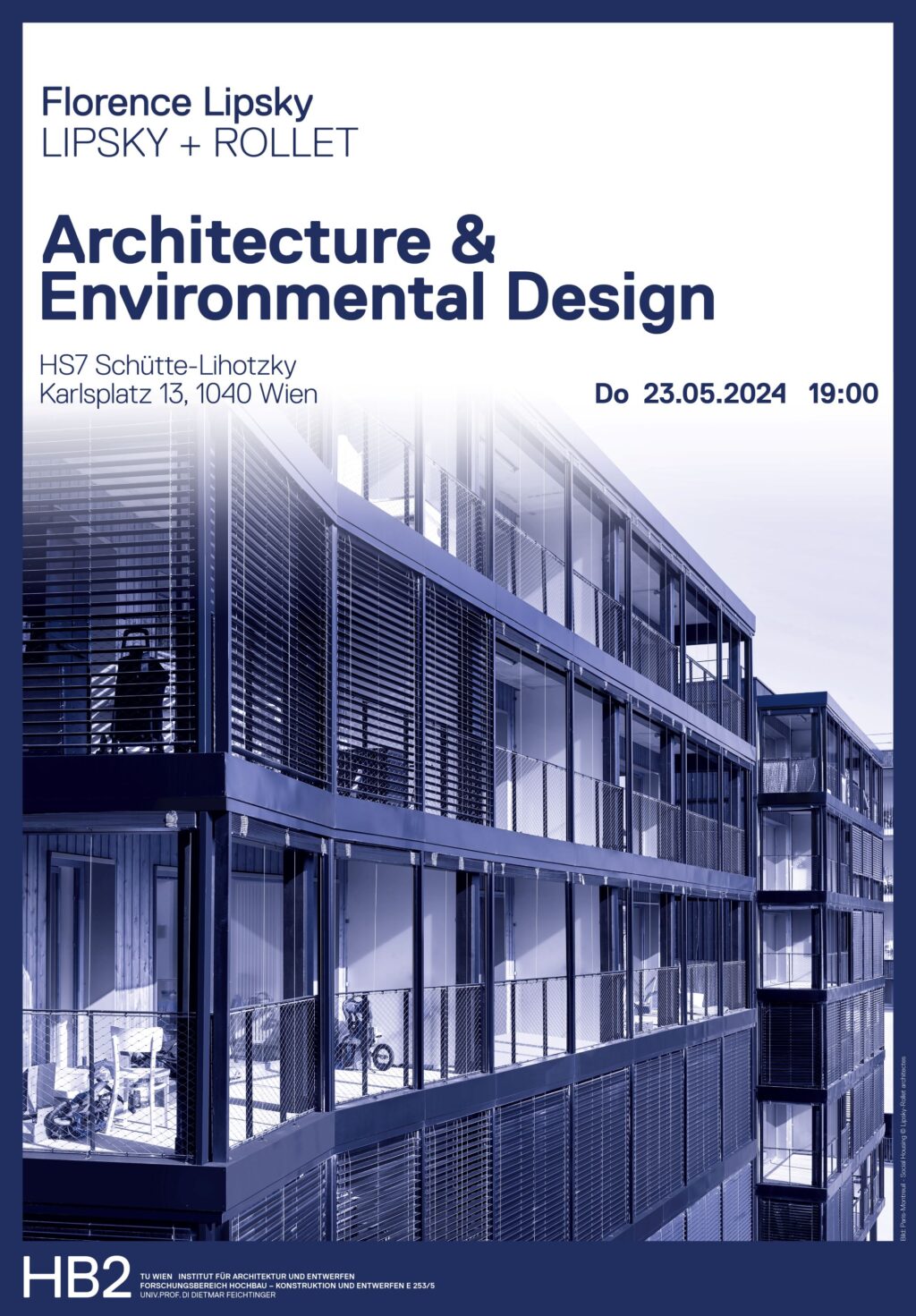
MAY 23, 2024
19:00
LECTURE:
FLORENCE LIPSKY
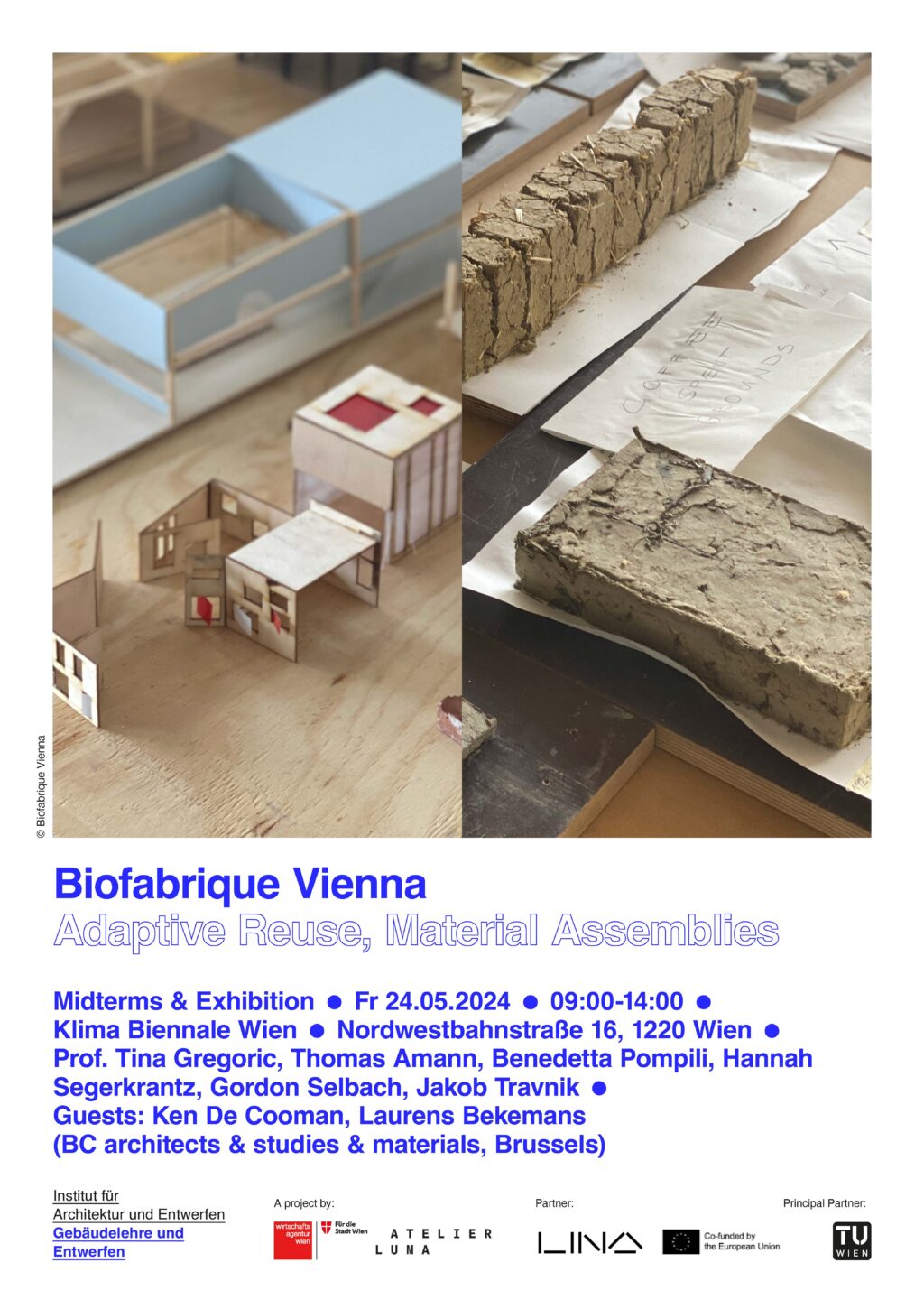
MAY 24, 2024
09:00
Exhibition:
Biofabrique Vienna
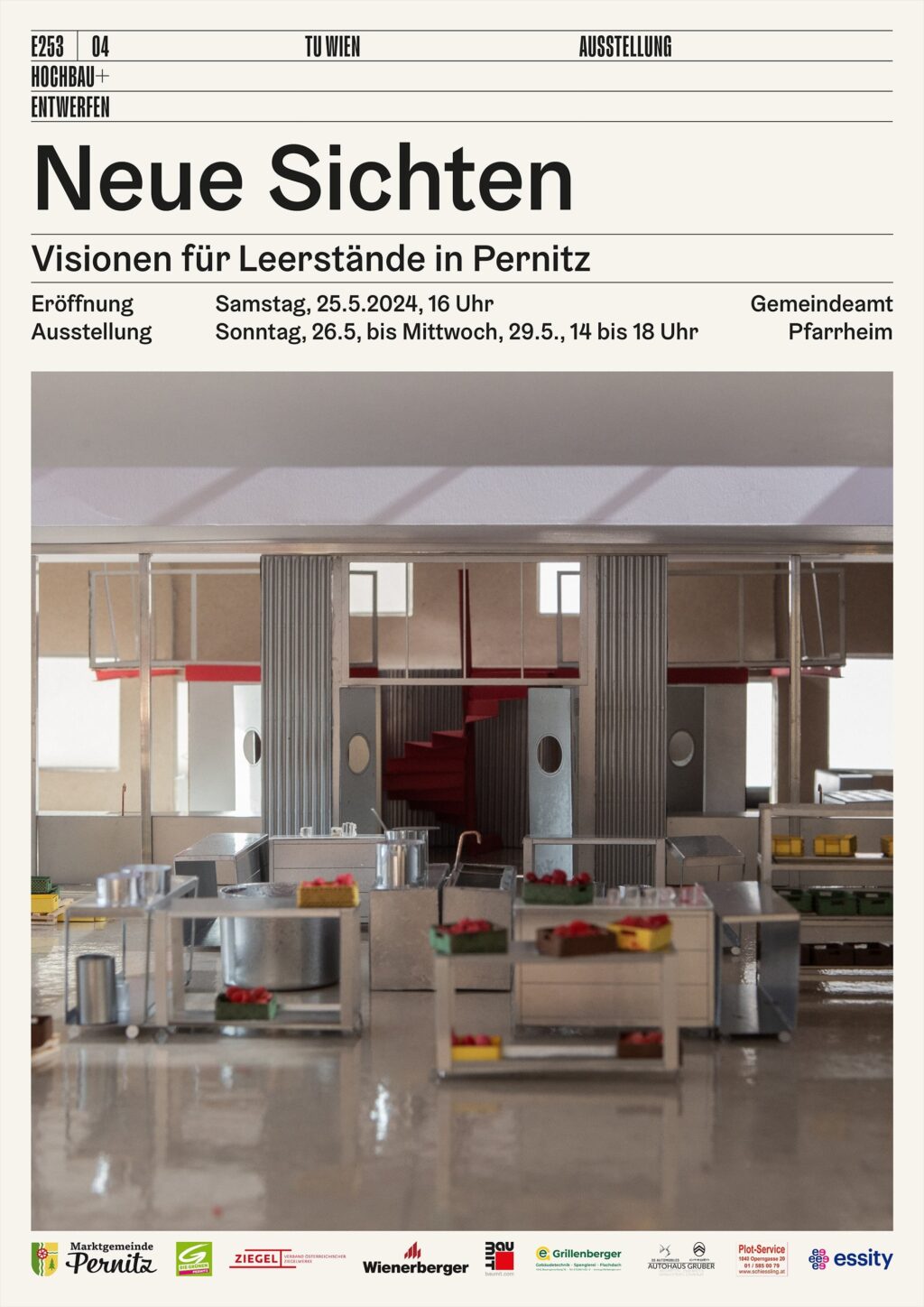
MAY 25, 2024
16:00
EXHIBITION OPENING:
NEUE SICHTEN
MAY 28, 2024
18:00
HOUSING TALKS:
FEDERICO CAMERIN
JUN 5, 2024
18:00
LECTURE:
SASHA PIRKER
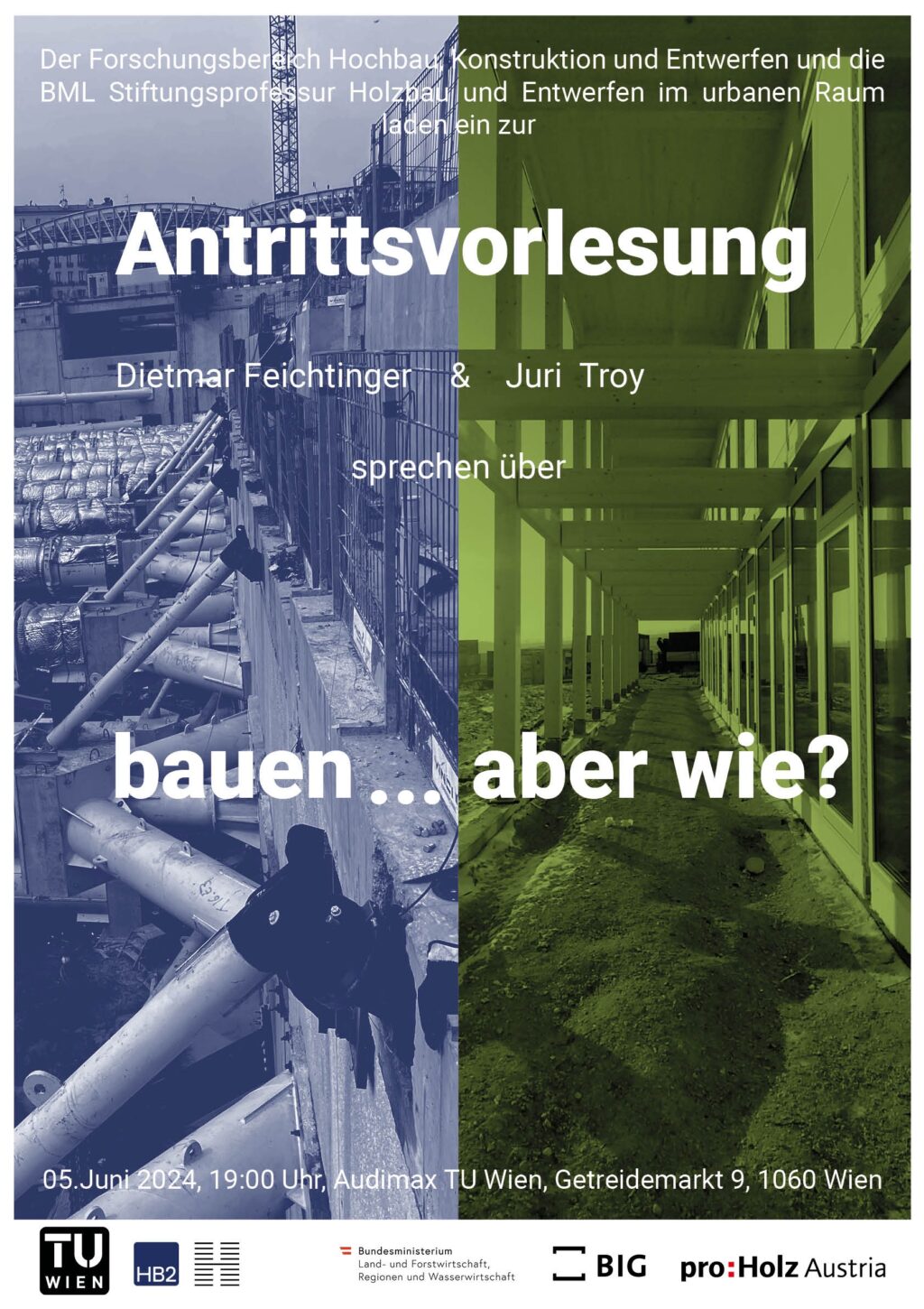
JUN 5, 2024
19:00
INAUGURAL LECTURE:
DIETMAR FEICHTINGER & JURI TROY
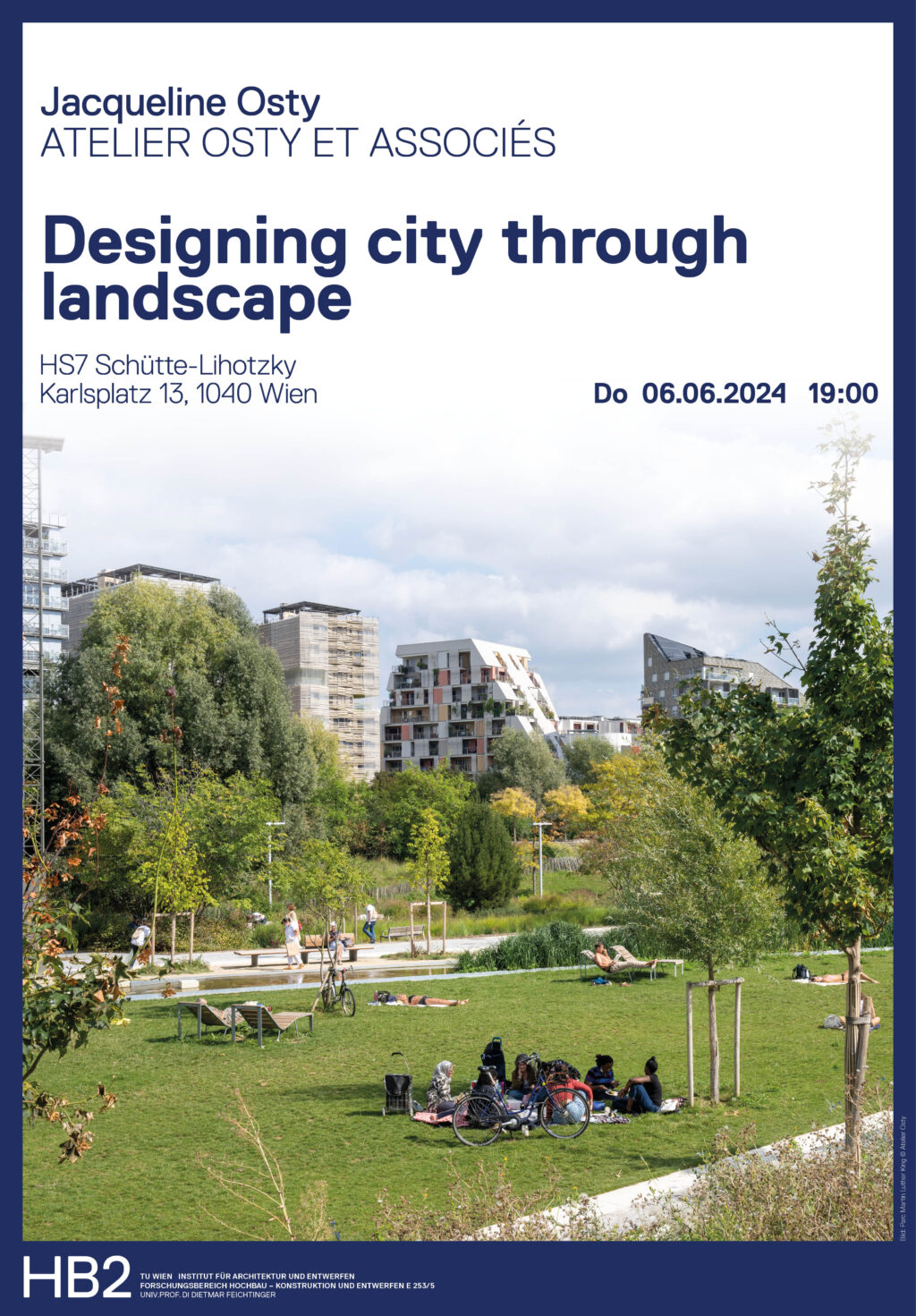
JUN 6, 2024
19:00
LECTURE:
JACQUELINE OSTY
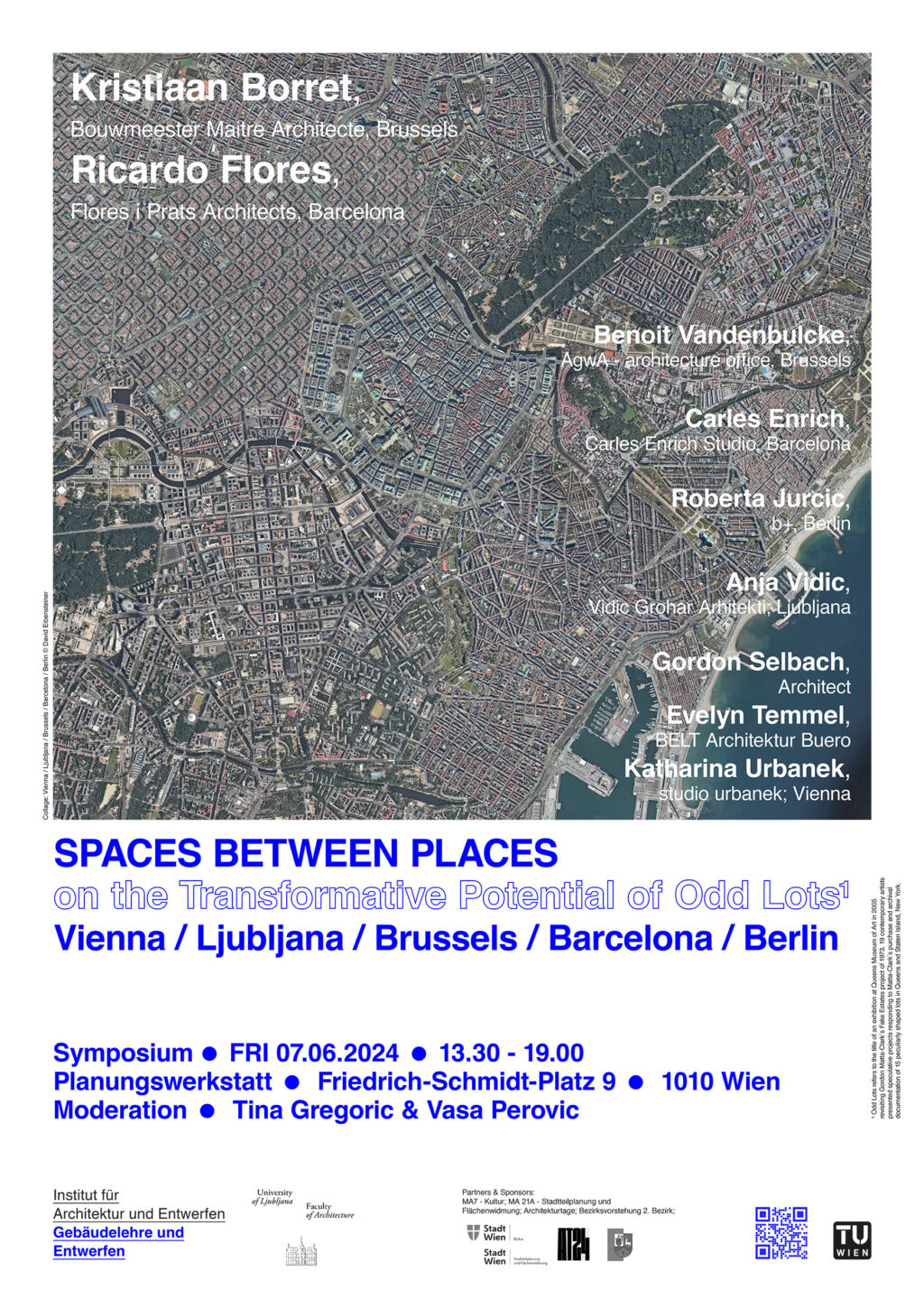
JUN 7, 2024
13:30
SYMPOSIUM & EXHIBITION:
SPACES BETWEEN PLACES
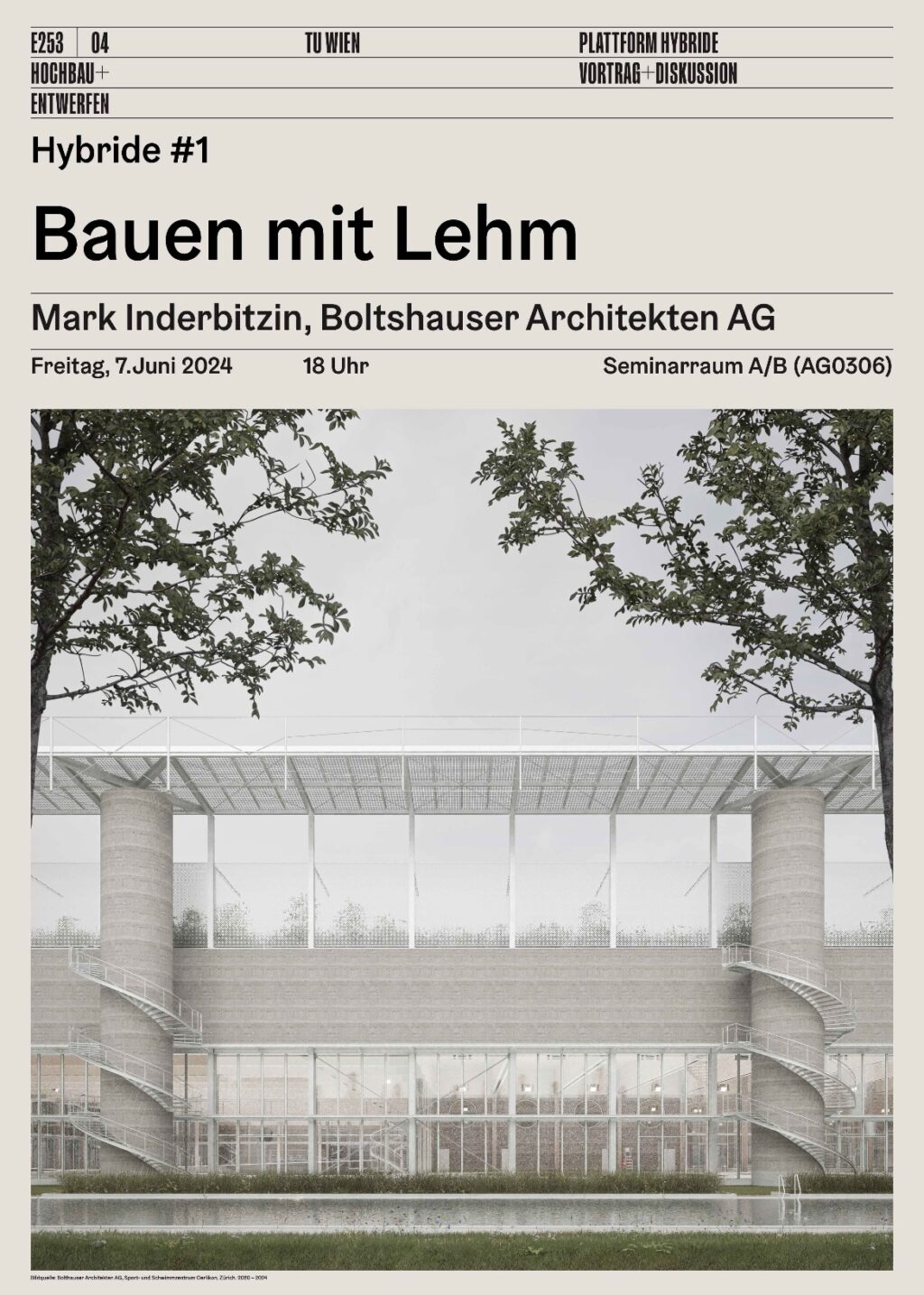
JUN 7, 2024
18:00
LECTURE & DISCUSSION:
MARK INDERBITZIN
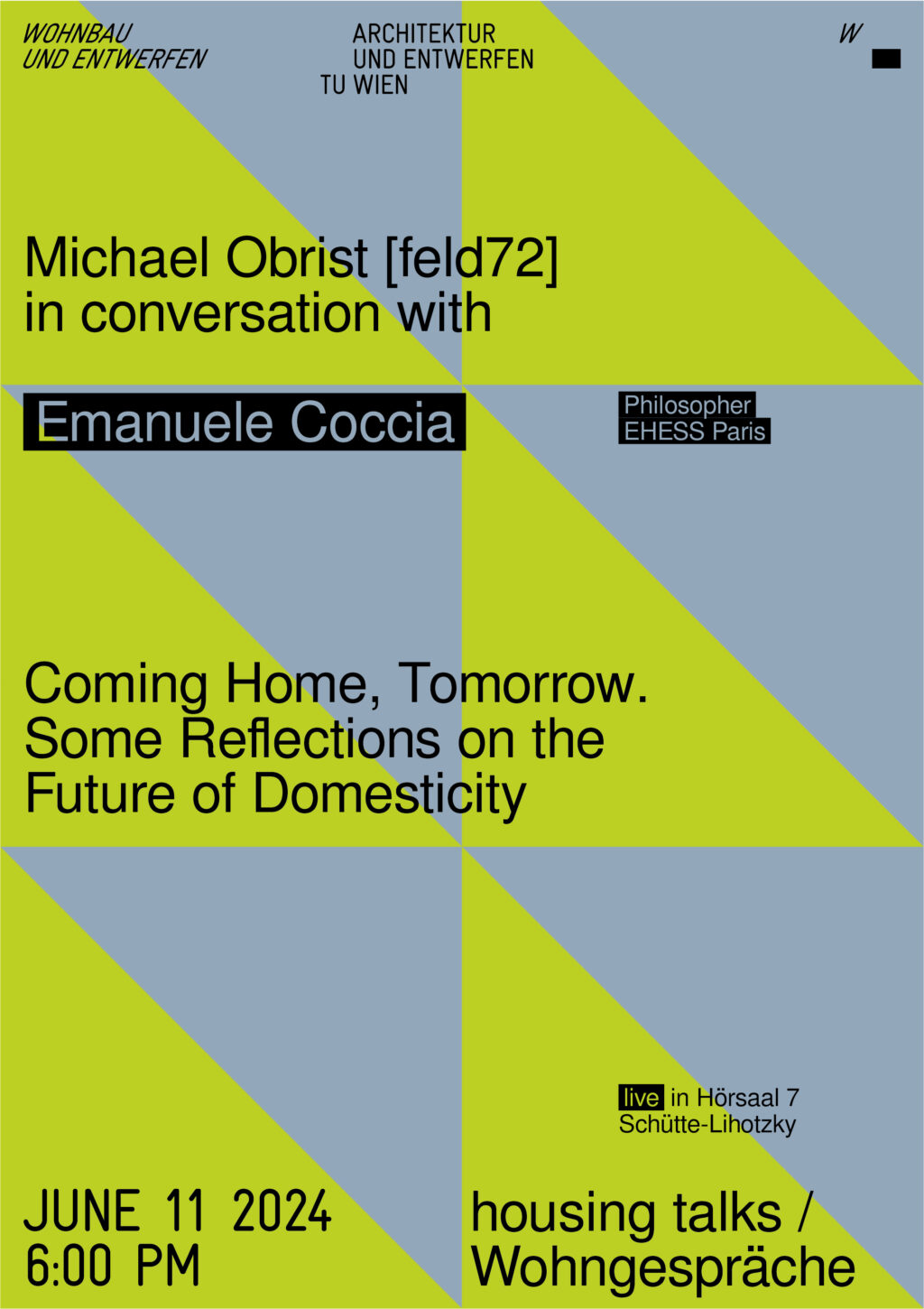
JUN 11, 2024
18:00
HOUSING TALKS: EMANUELE COCCIA
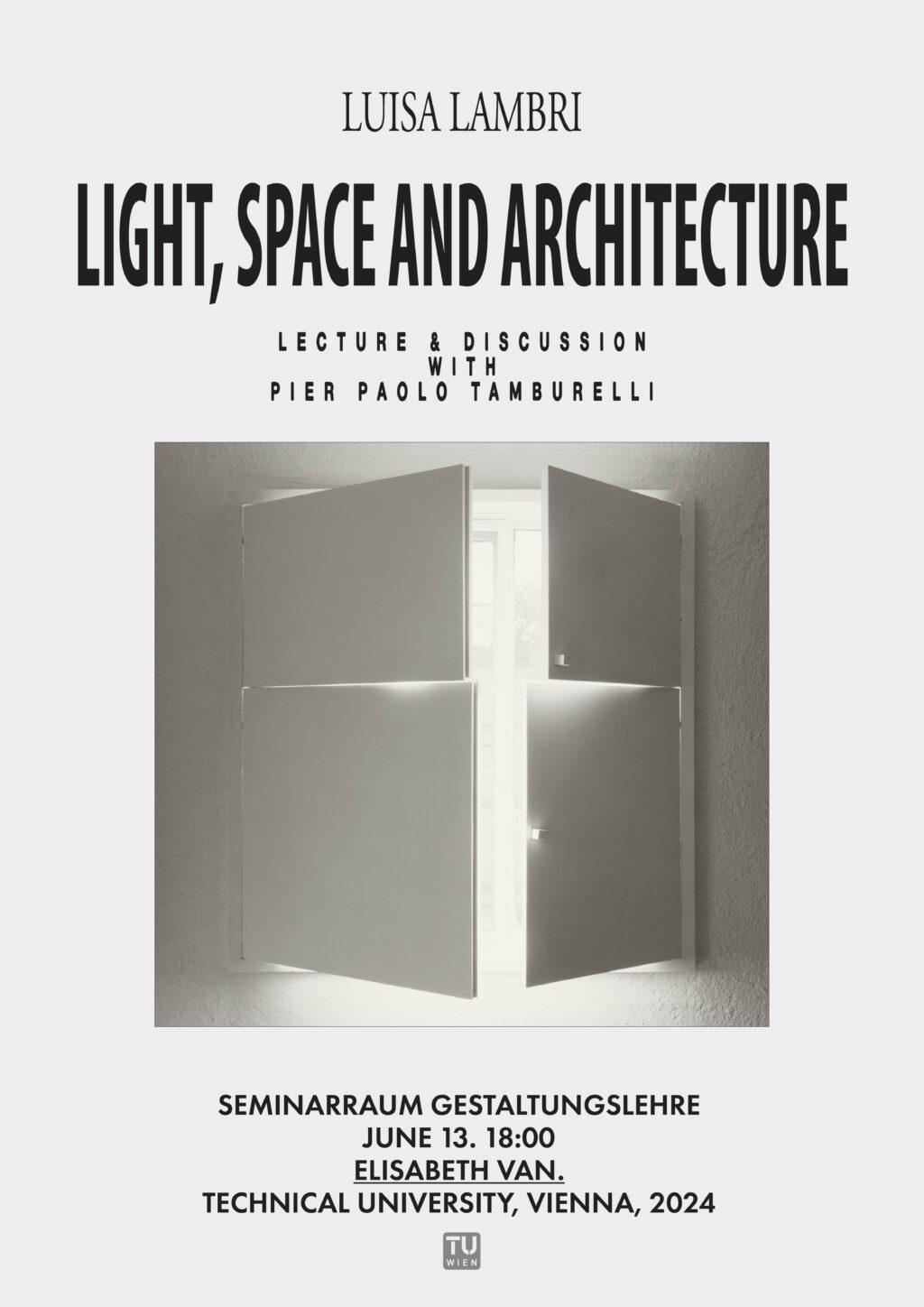
JUN 13, 2024
18:00
LECTURE & DISCUSSION:
LUISA LAMBRI
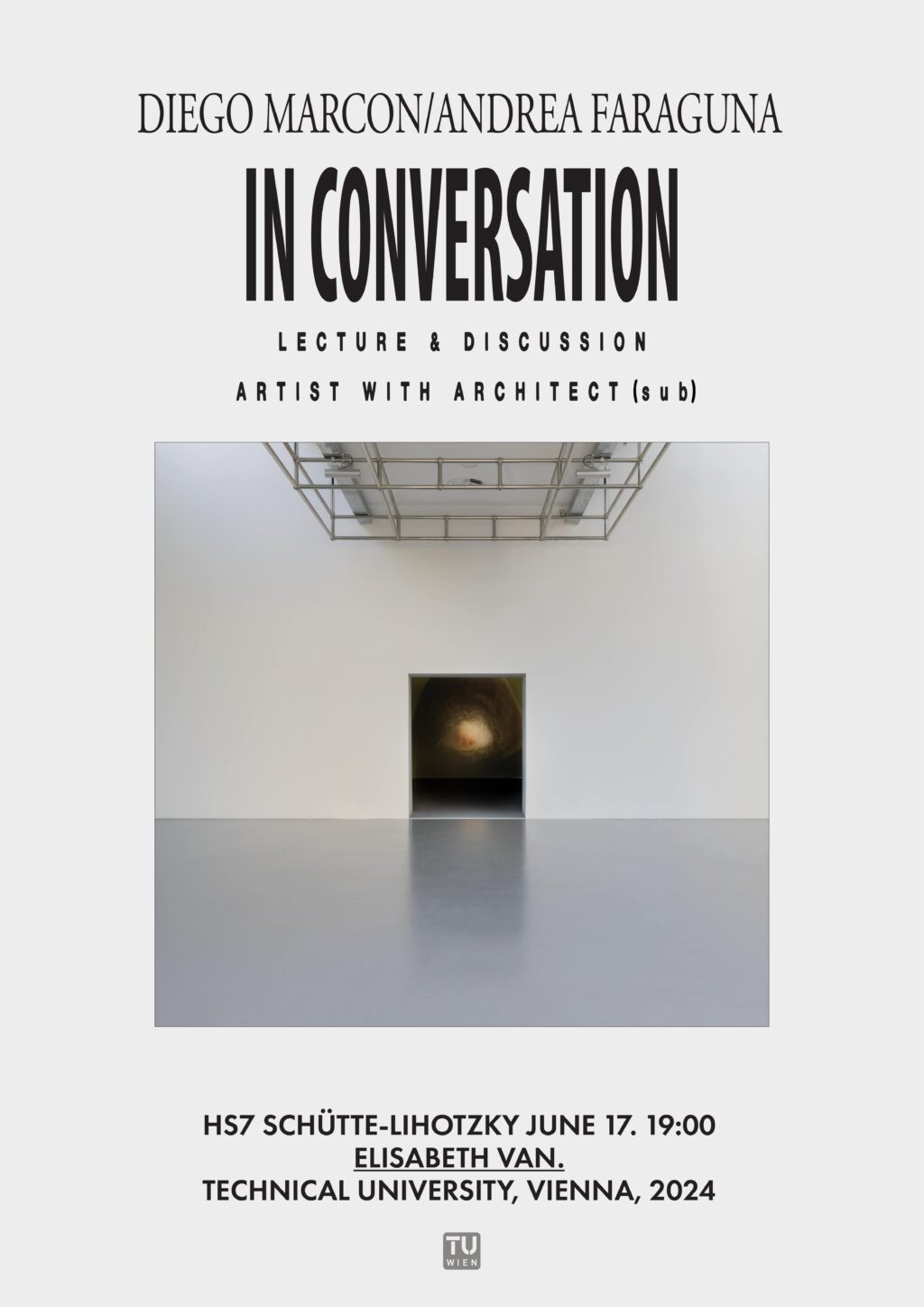
JUN 17, 2024
19:00
LECTURE & DISCUSSION:
DIEGO MARCON
ANDREA FARAGUNA
JUN 18, 2024
18:00
HOUSING TALKS: LISZ HIRN
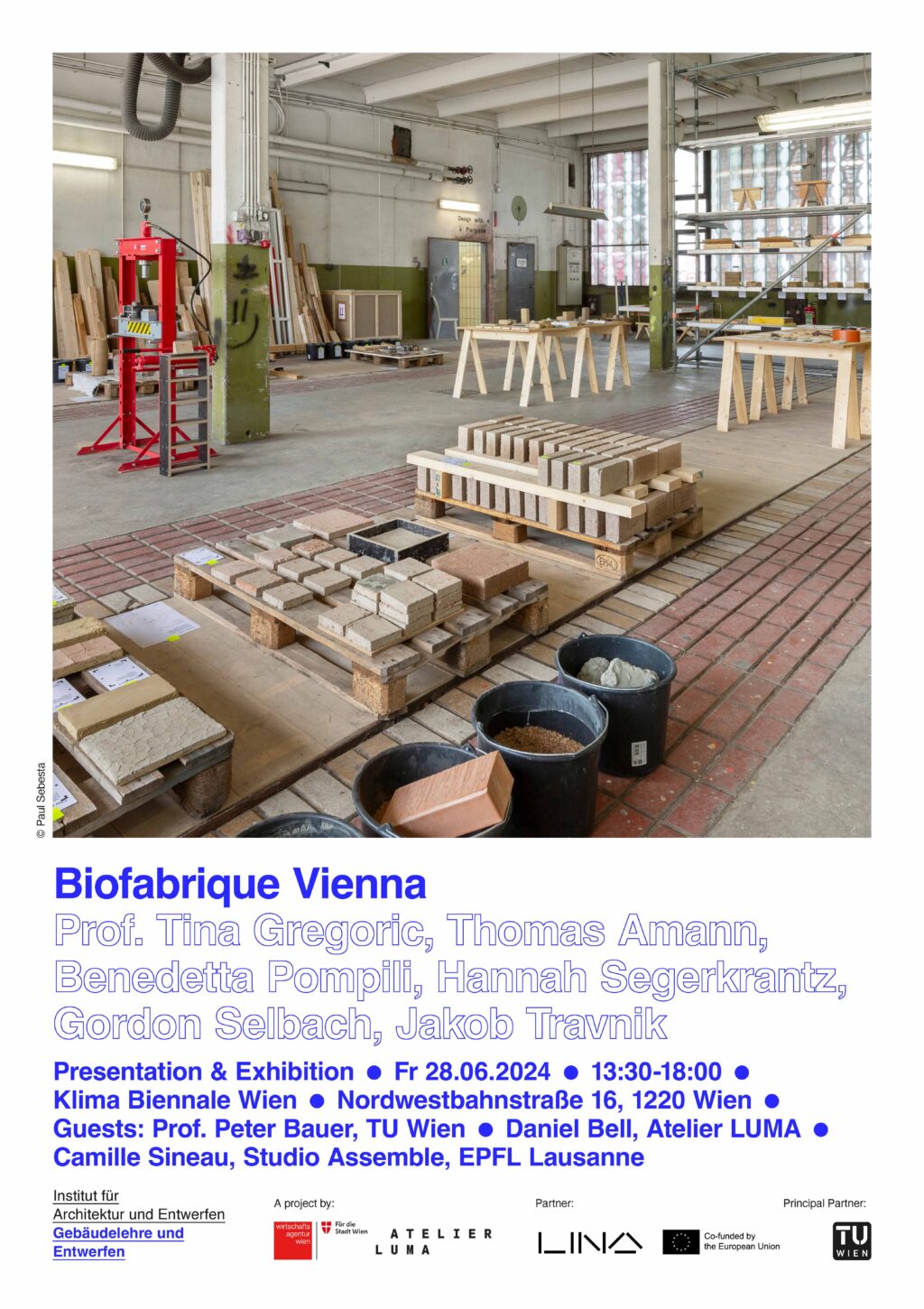
JUN 28, 2024
13:30
EXHIBITION:
BIOFABRIQUE VIENNA
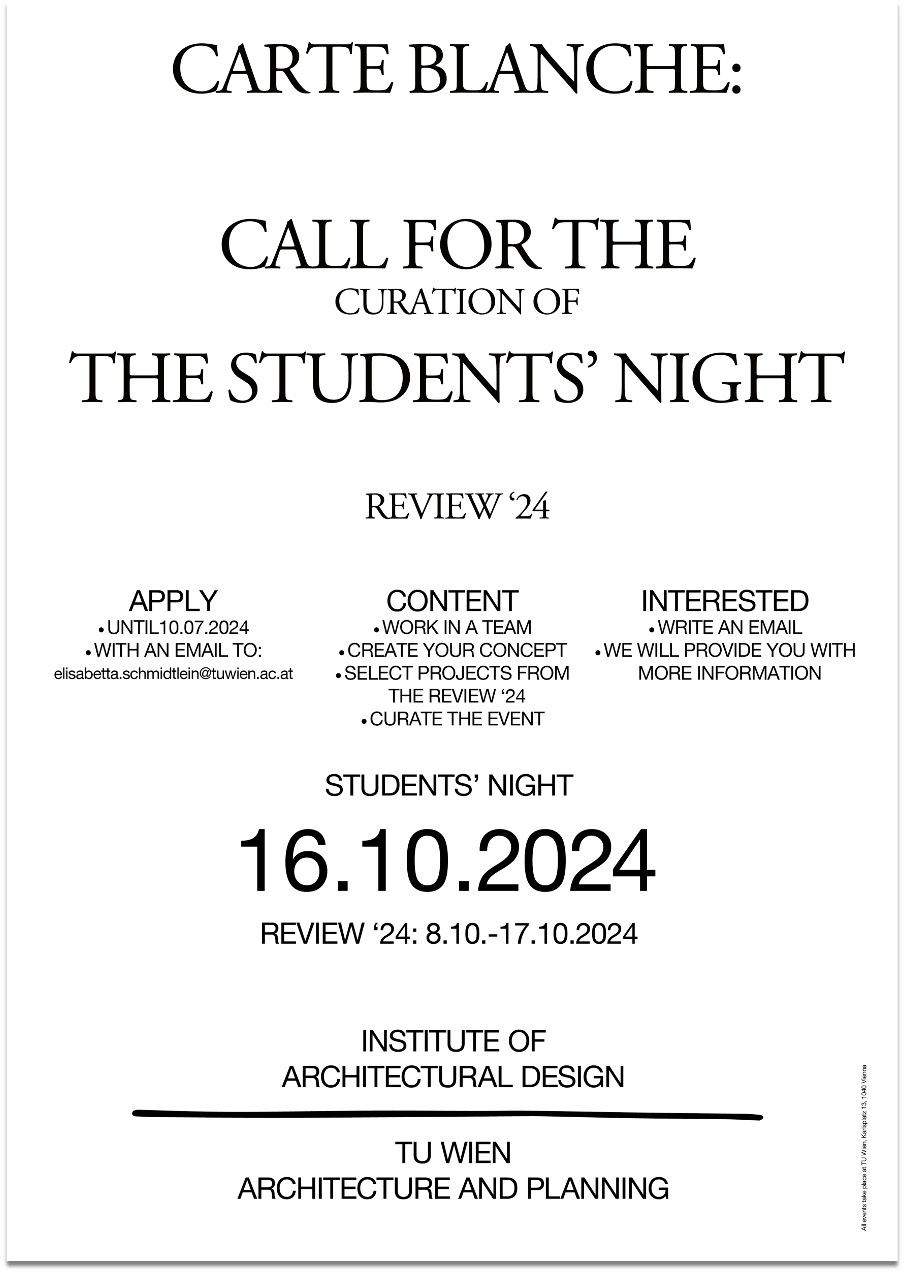
JUL 10, 2024
17:00
CALL:
CURATION OF THE STUDENT'S NIGHT
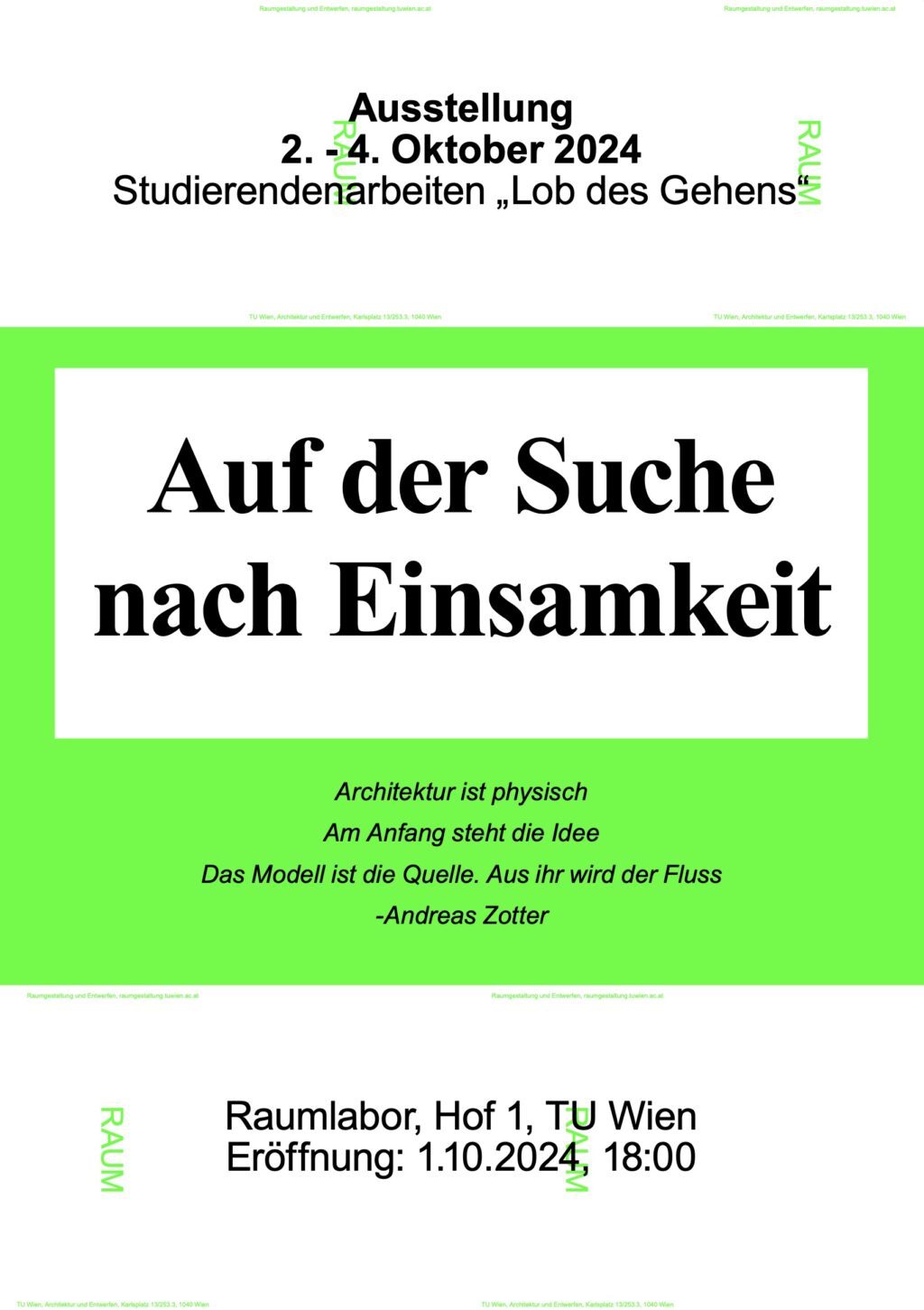
OCT 1, 2024
18:00
EXHIBITION:
AUF DER SUCHE NACH EINSAMKEIT
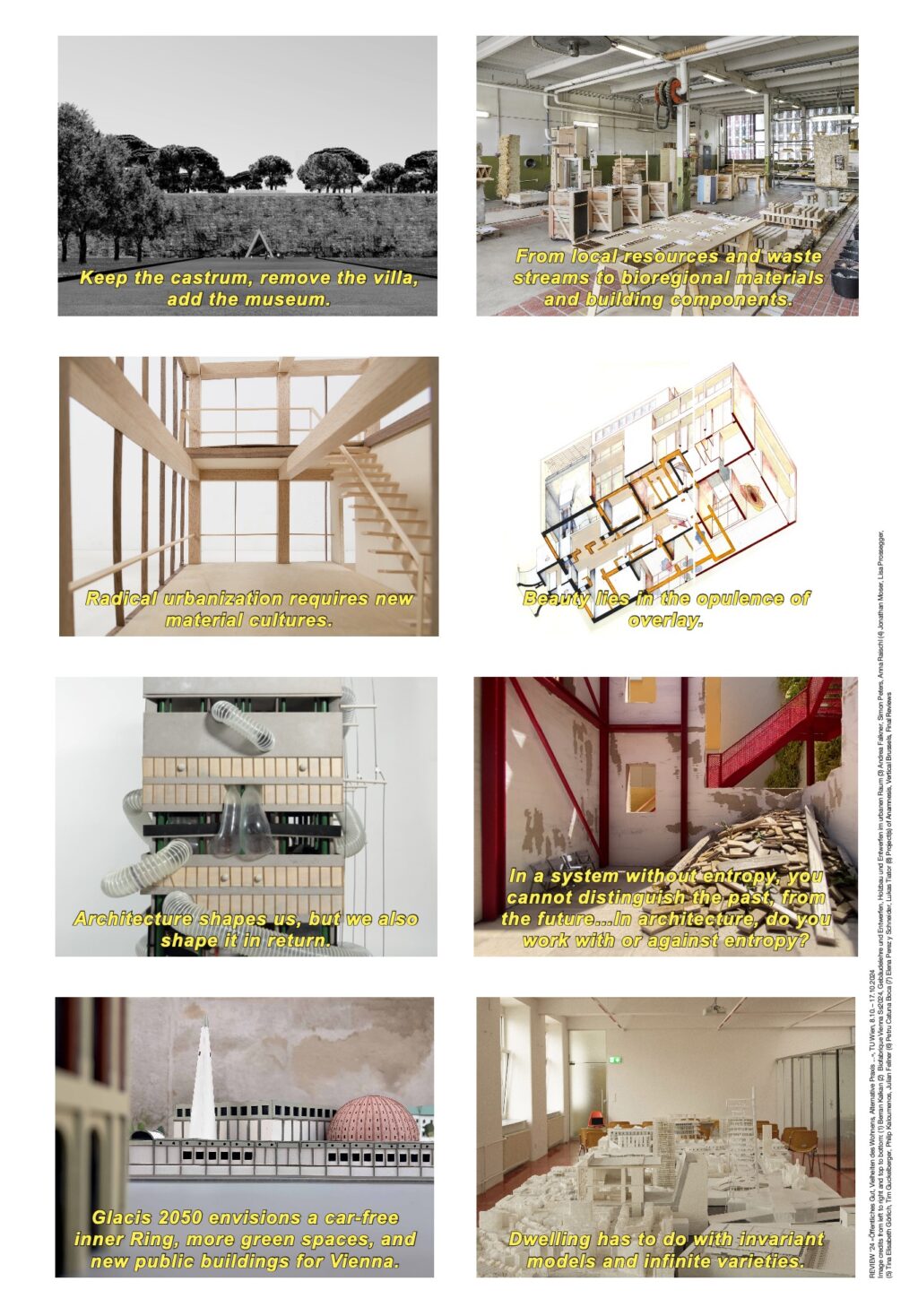
OCT 8, 2024
18:00
EXHIBITION:
REVIEW’24
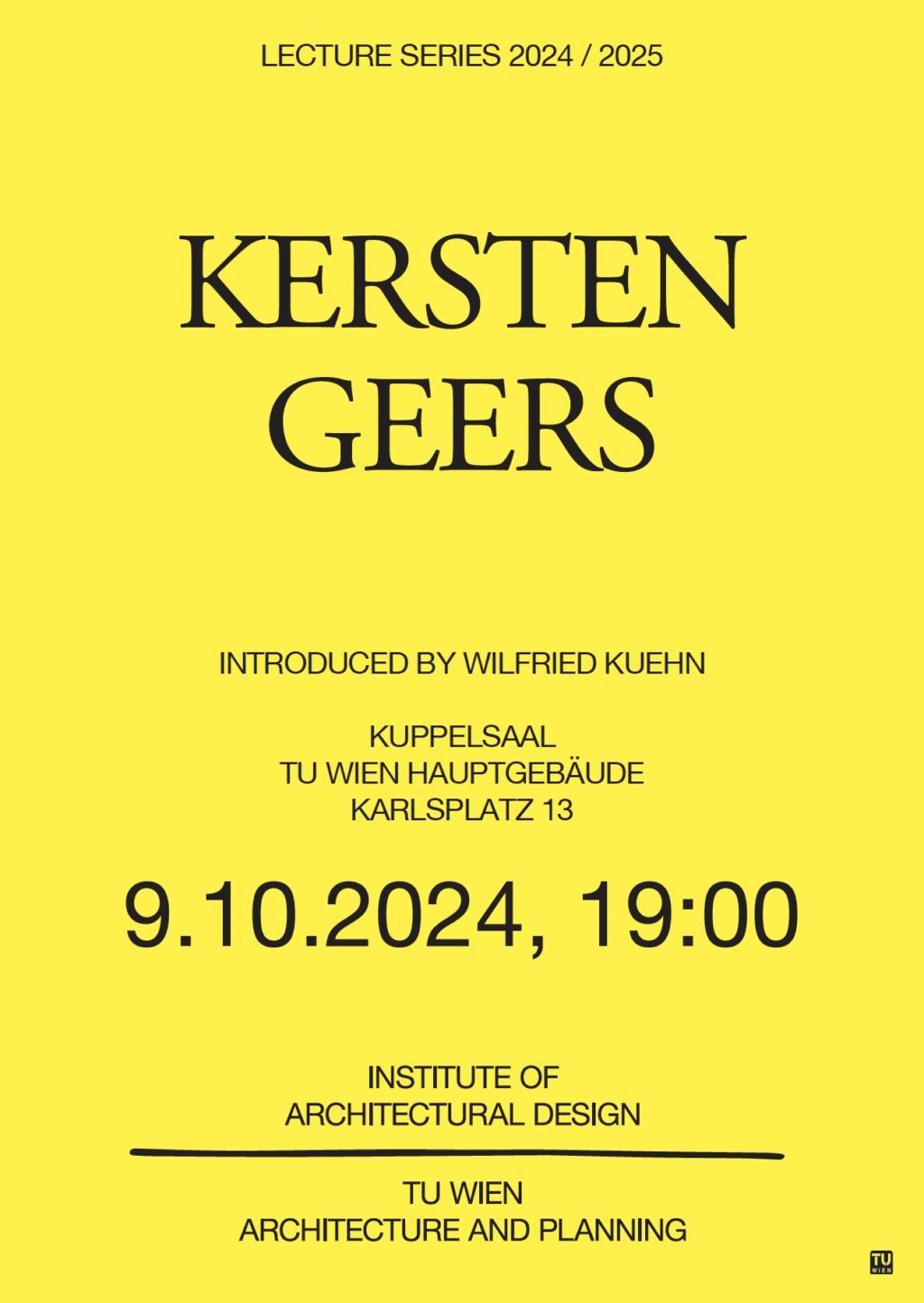
OCT 9, 2024
19:00
LECTURE: Kersten Geers
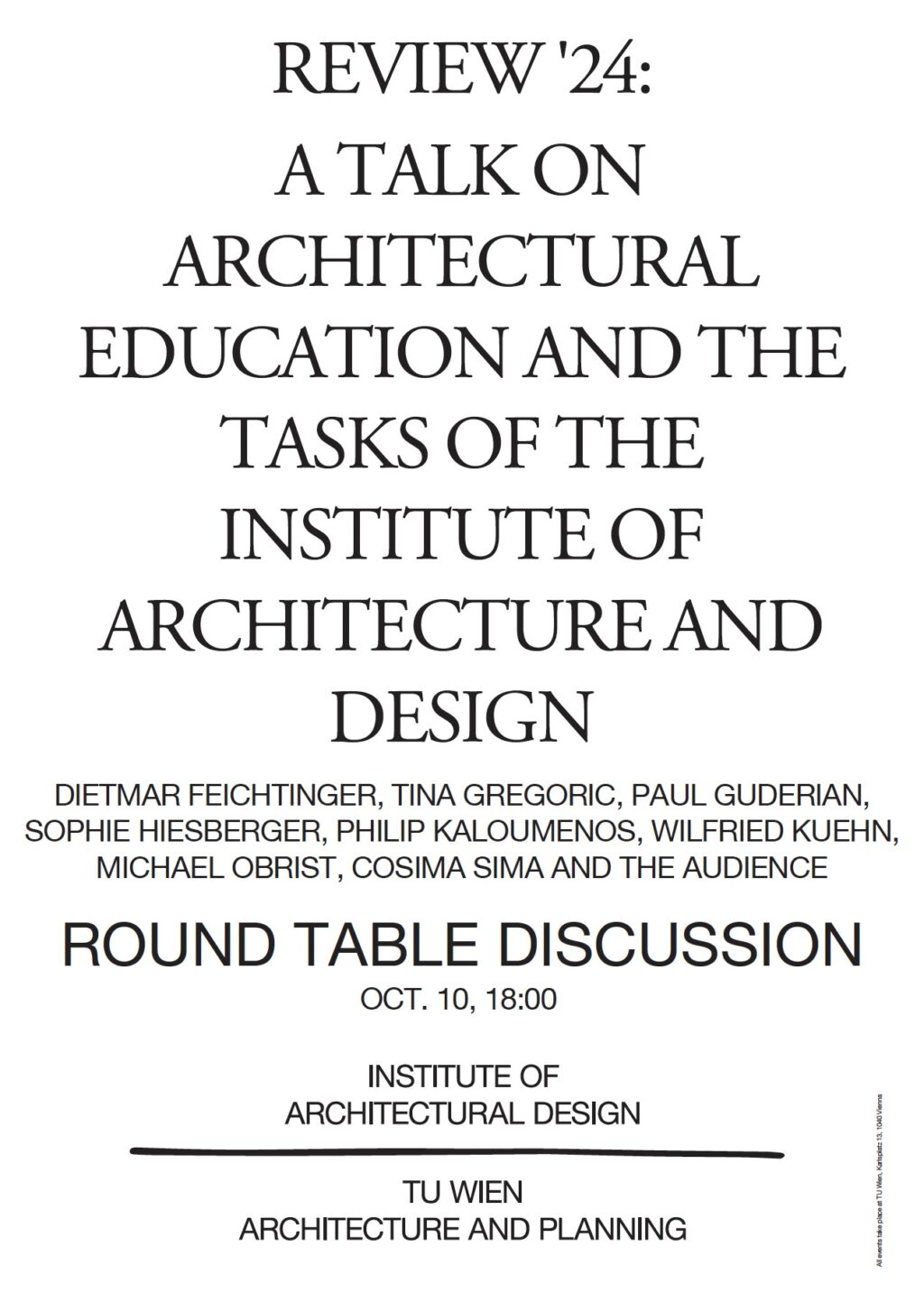
OCT 10, 2024
18:00
ROUND TABLE DISCUSSION:
REVIEW ’24
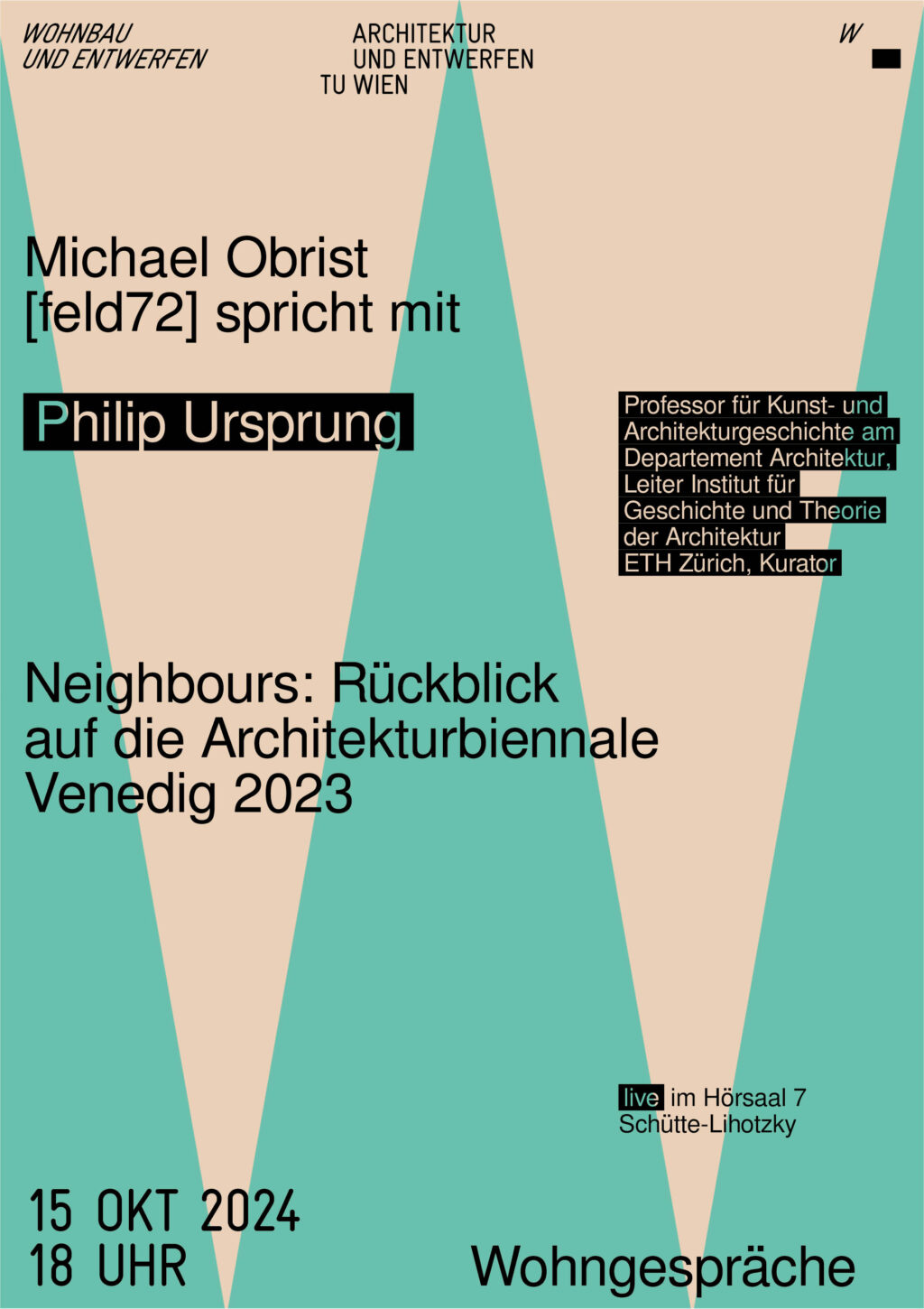
OCT 15, 2024
18:00
HOUSING TALKS:
PHILIP URSPRUNG
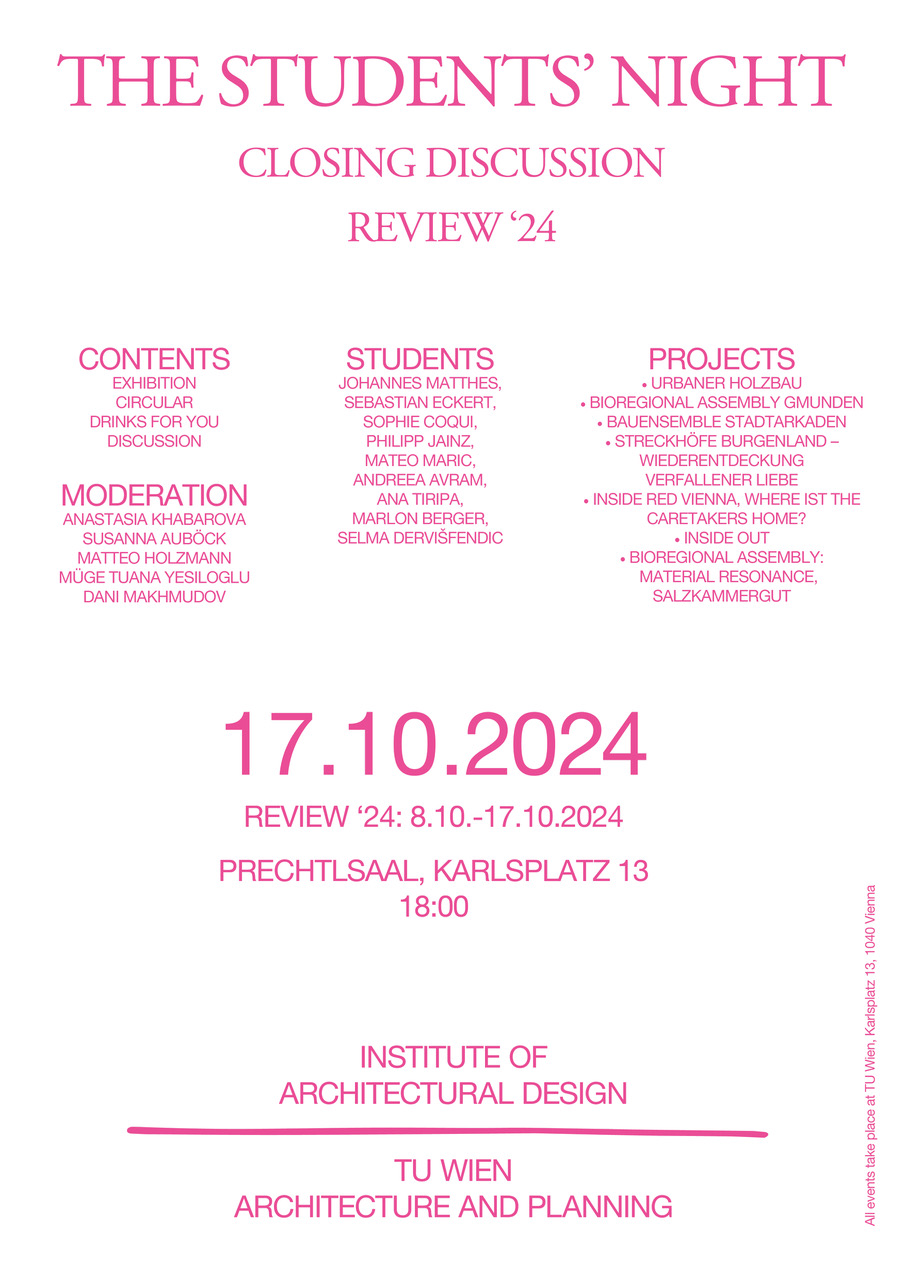
OCT 17, 2024
18:00
CLOSING DISCUSSION:
THE STUDENT'S NIGHT REVIEW ’24
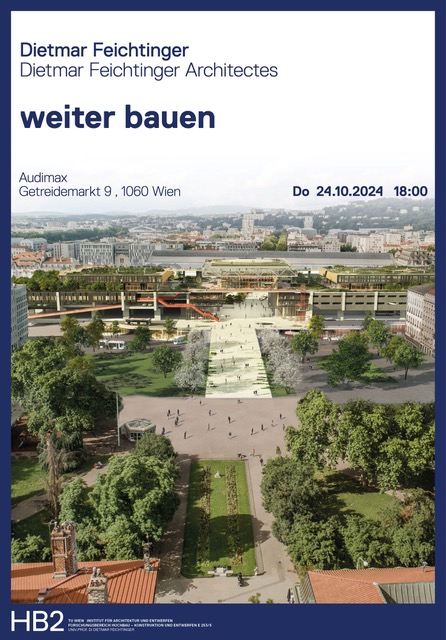
OCT 24, 2024
18:00
LECTURE:
DIETMAR FEICHTINGER
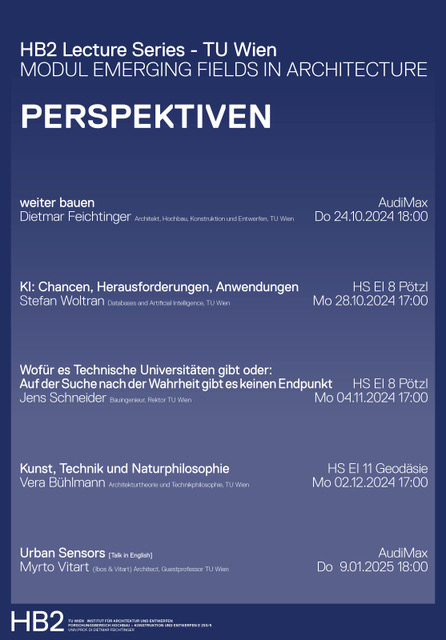
OCT 24, 2024
18:00
LECTURE SERIES:
PERSPEKTIVEN
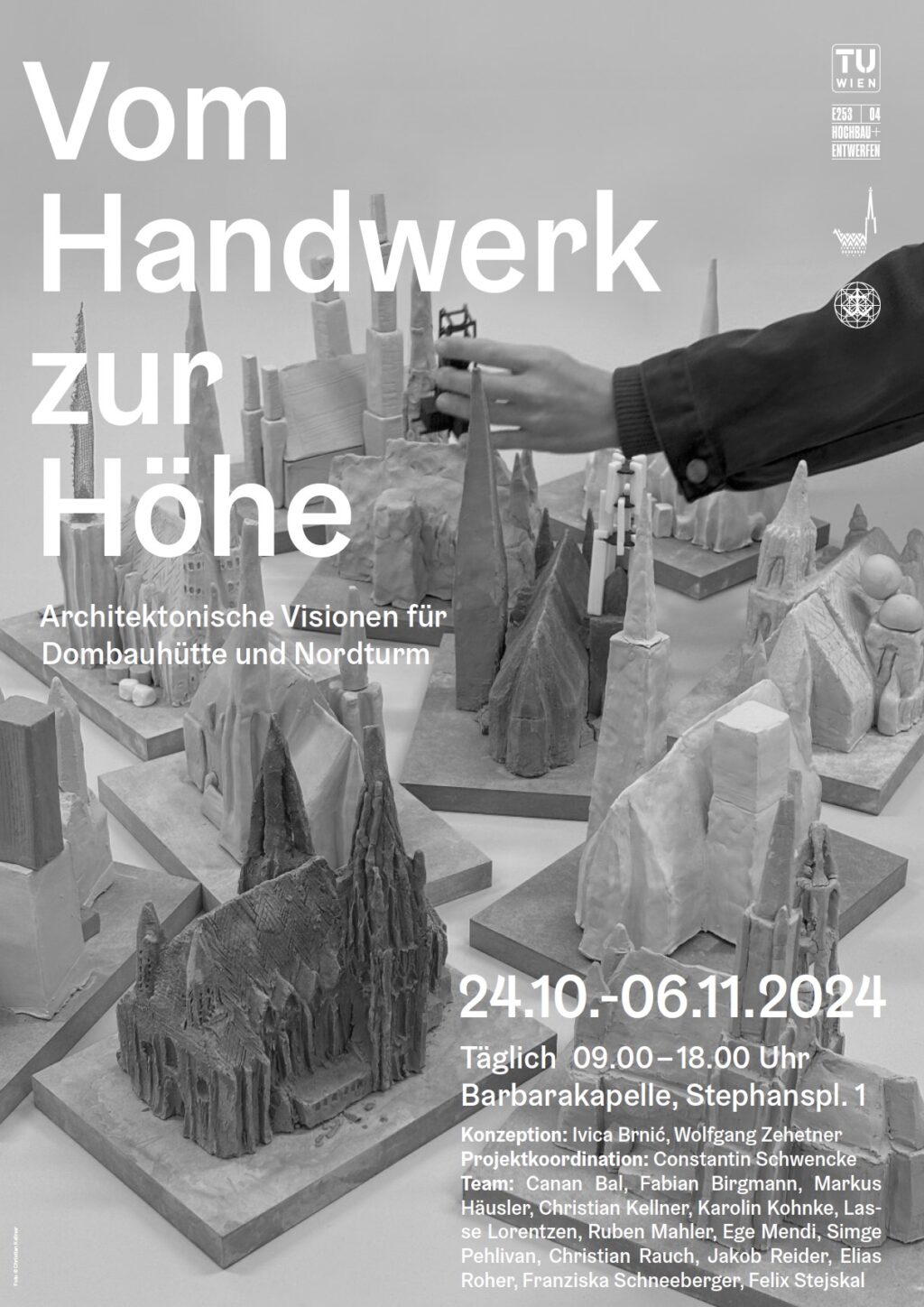
OCT 24, 2024
19:00
EXHIBITION:
VOM HANDWERK ZUR HÖHE
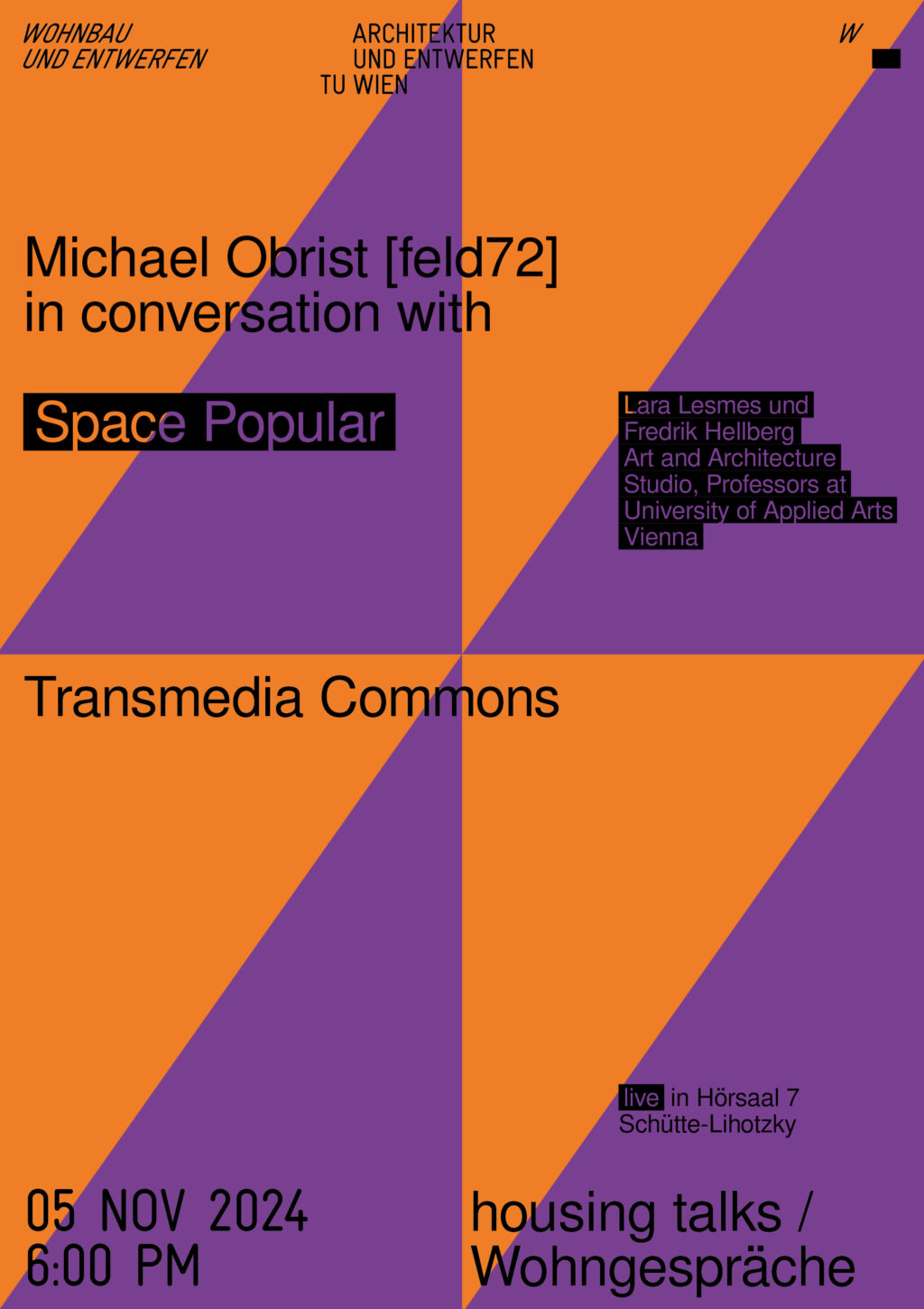
NOV 5, 2024
18:00
HOUSING TALKS:
SPACE POPULAR
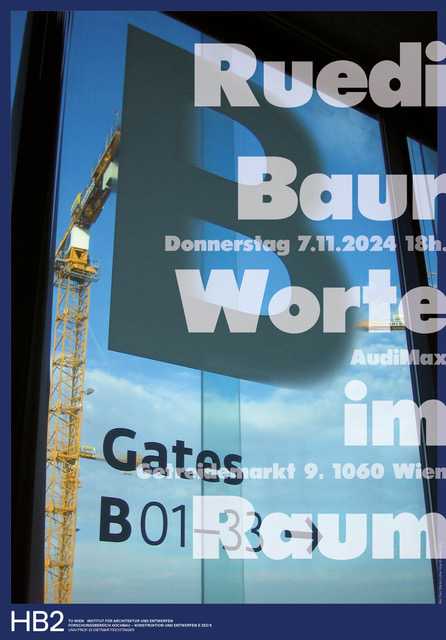
NOV 7, 2024
18:00
LECTURE:
RUEDI BAUR
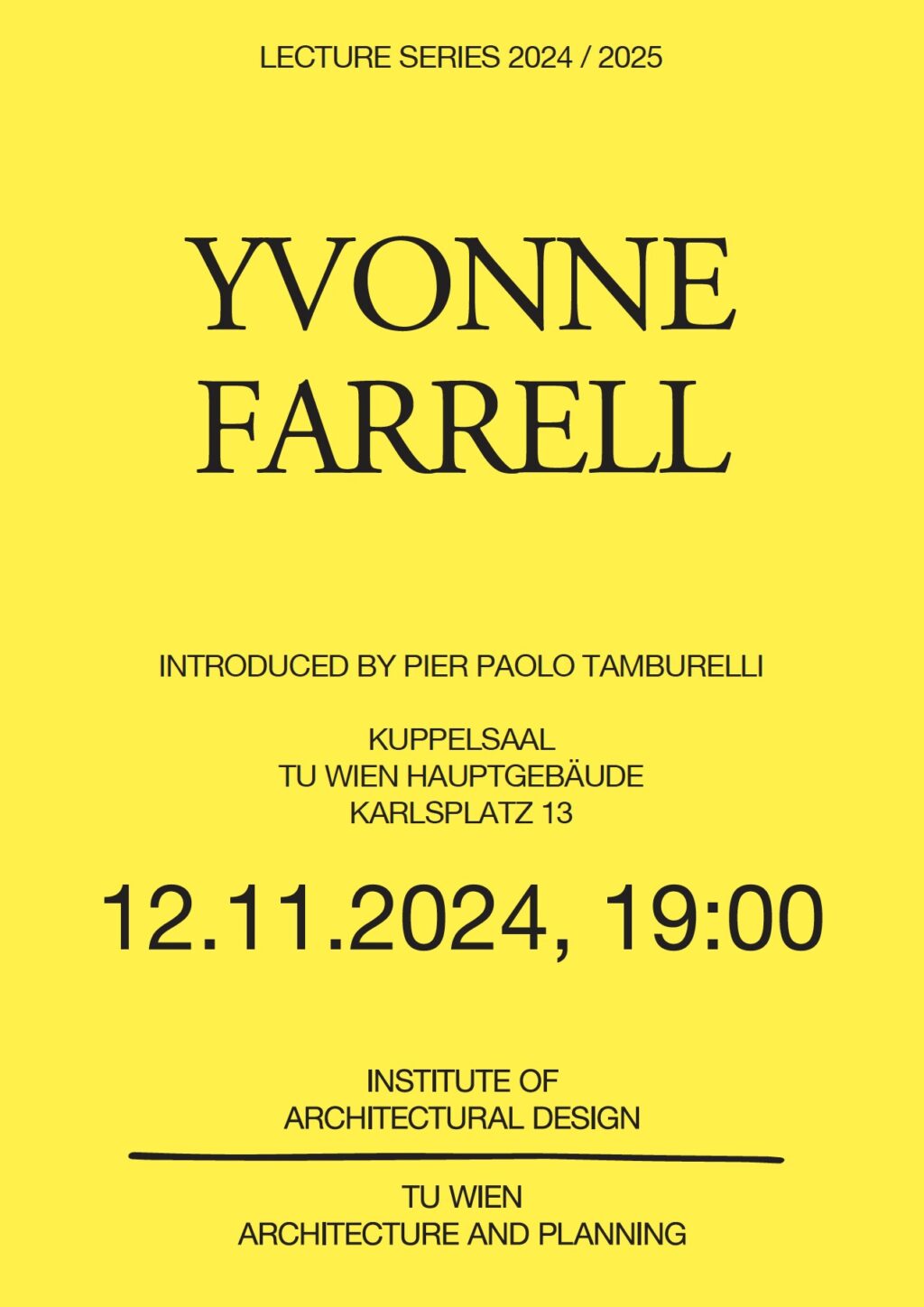
NOV 12, 2024
19:00
LECTURE: Yvonne Farrell
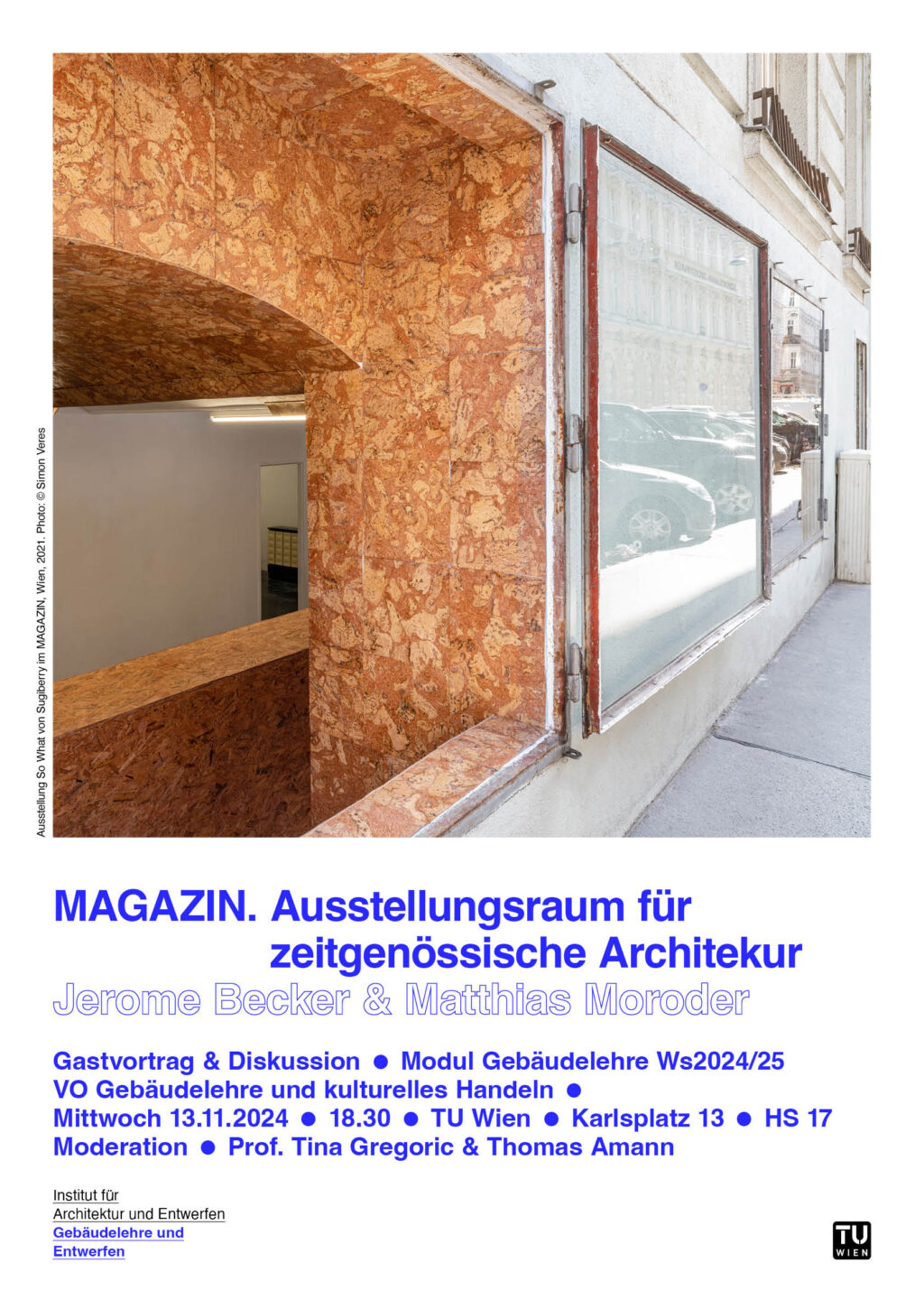
NOV 13, 2024
18:30
LECTURE:
JEROME BECKER & MATTHIAS MORODER
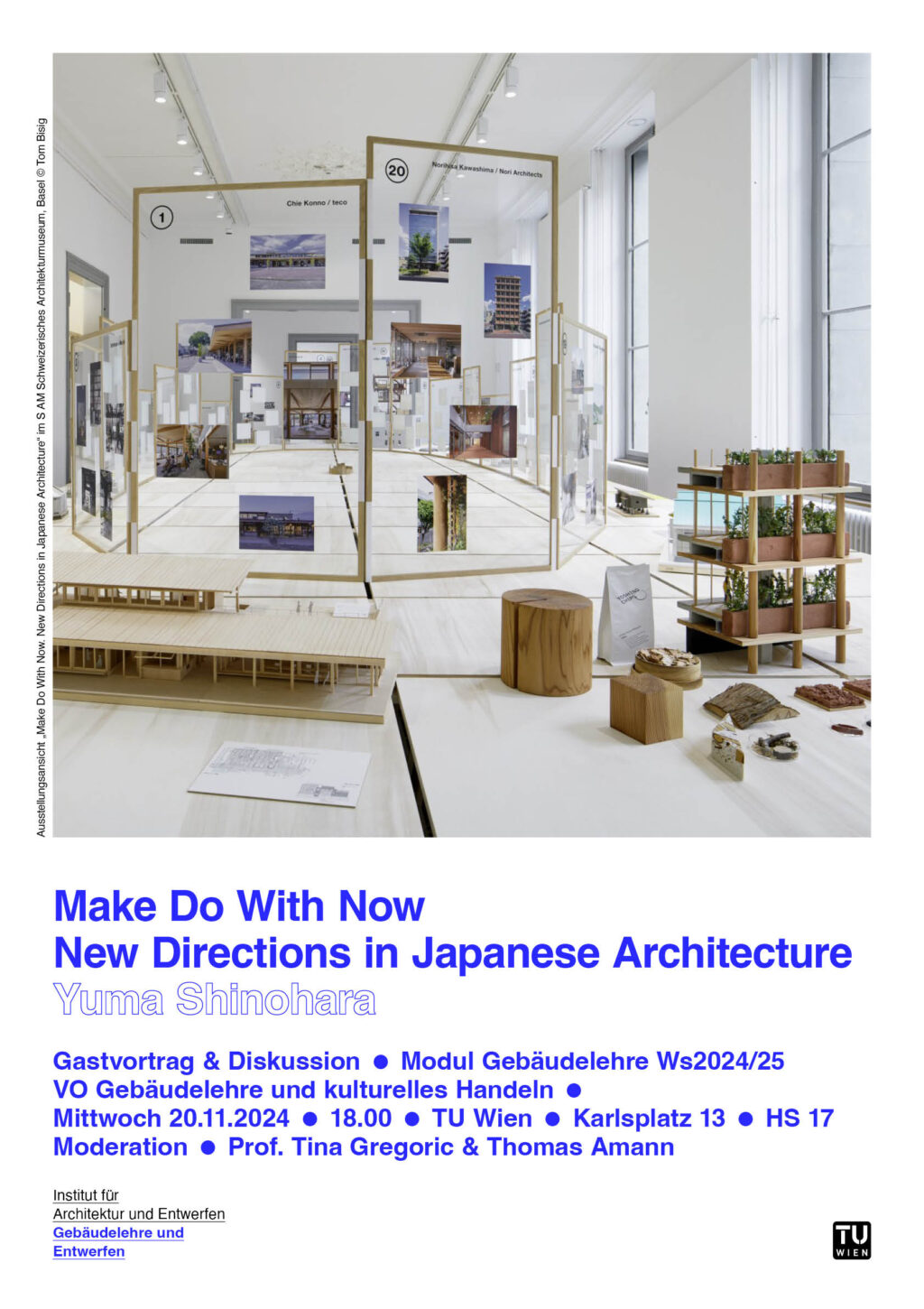
NOV 20, 2024
18:00
LECTURE:
YUMA SHINOHARA
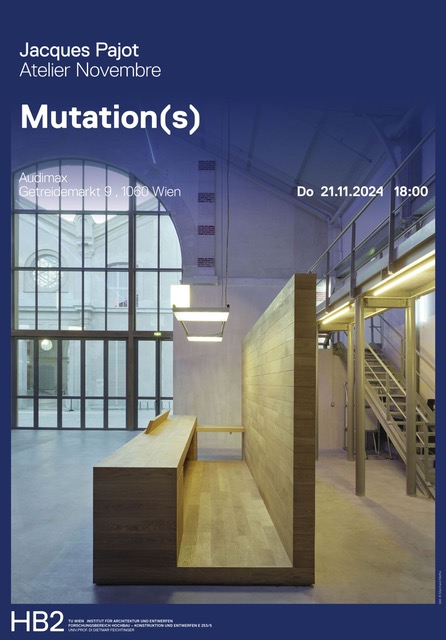
NOV 21, 2024
18:00
LECTURE:
JACQUES PAJOT
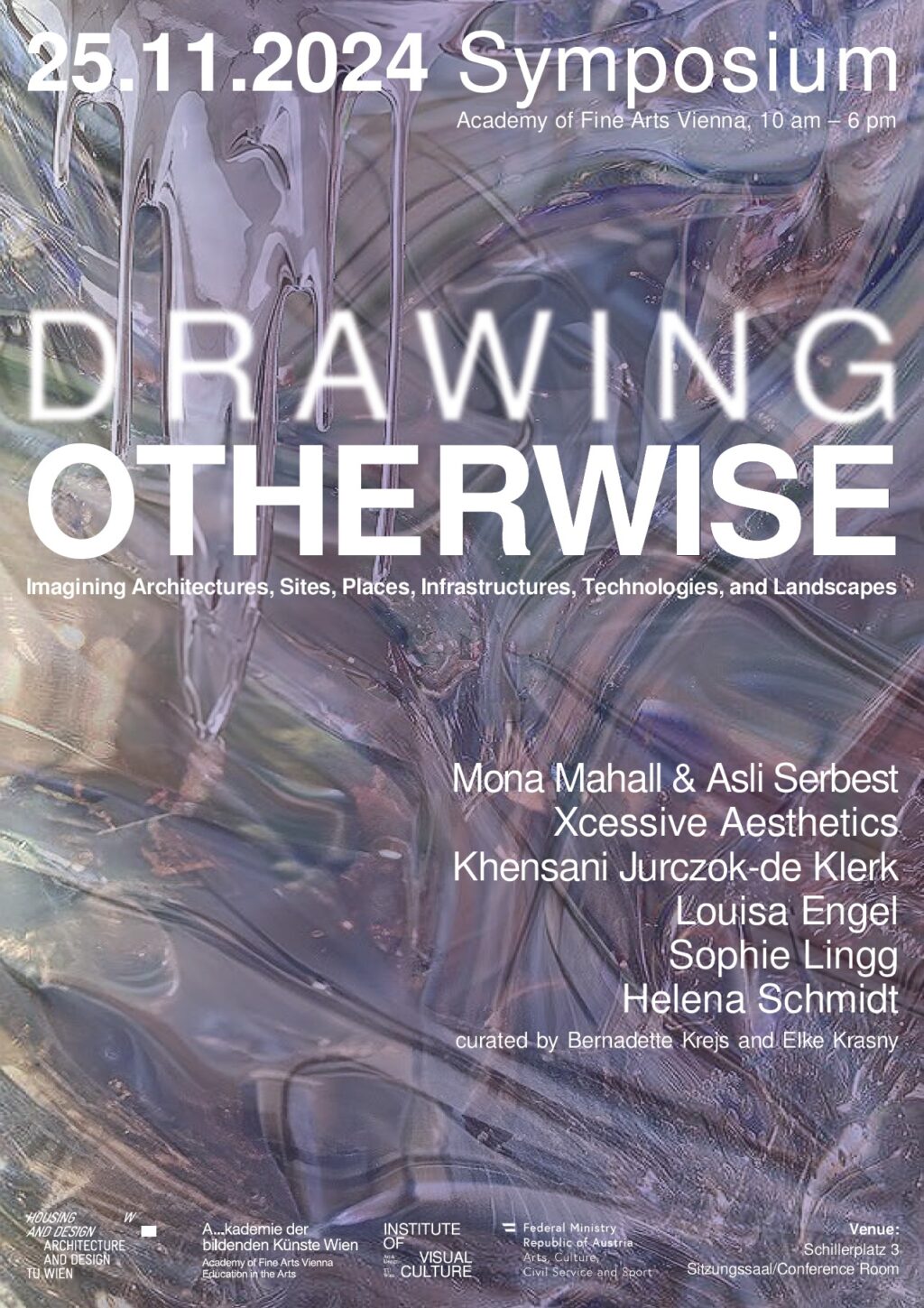
NOV 25, 2024
10:00
SYMPOSIUM:
DRAWING OTHERWISE
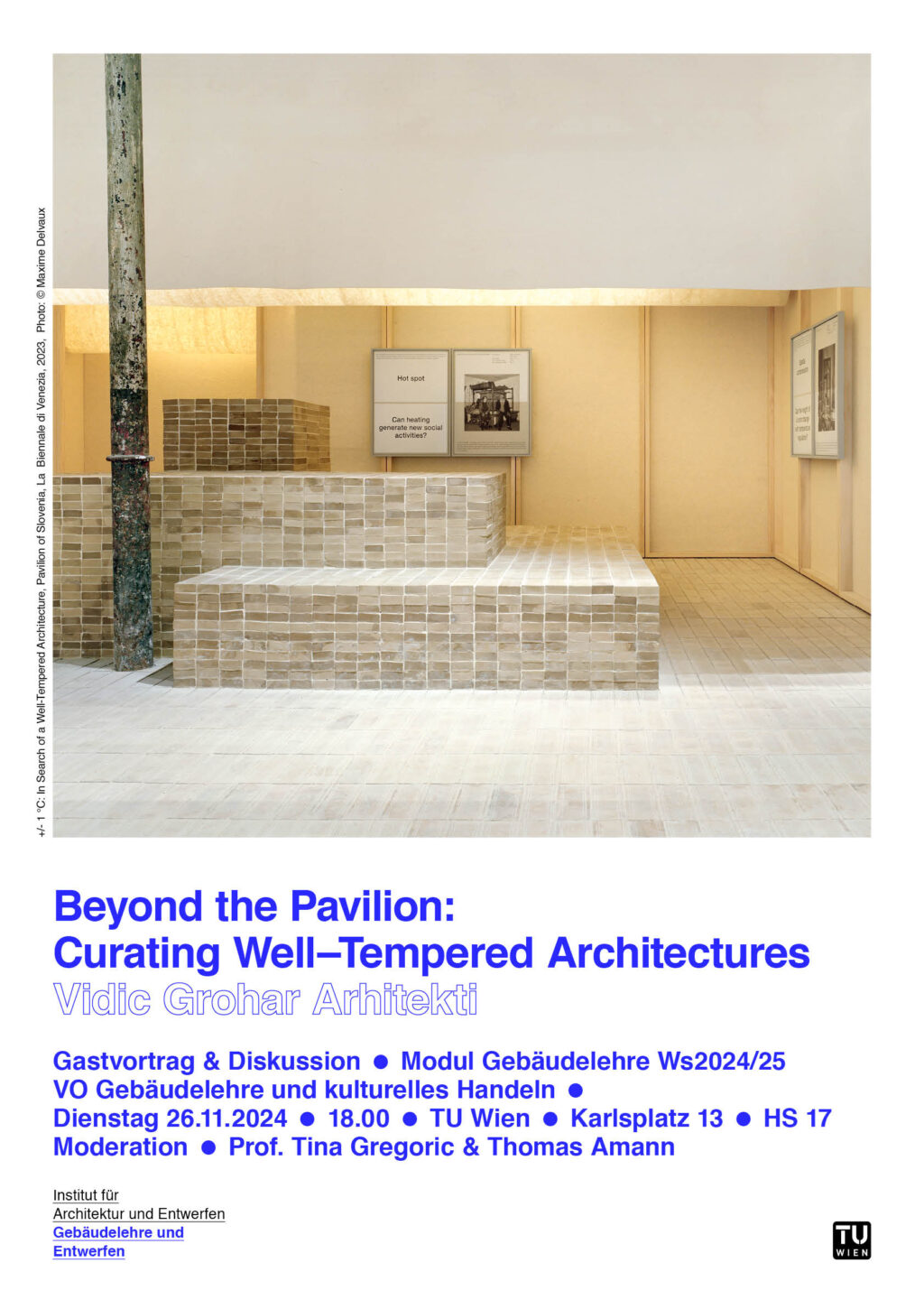
NOV 26, 2024
18:00
LECTURE:
VIDIC GROHAR ARHITEKTI
NOV 26, 2024
18:00
HOUSING TALKS:
ASTRID SMITHAM & NICHOLAS LOBO BRENNAN
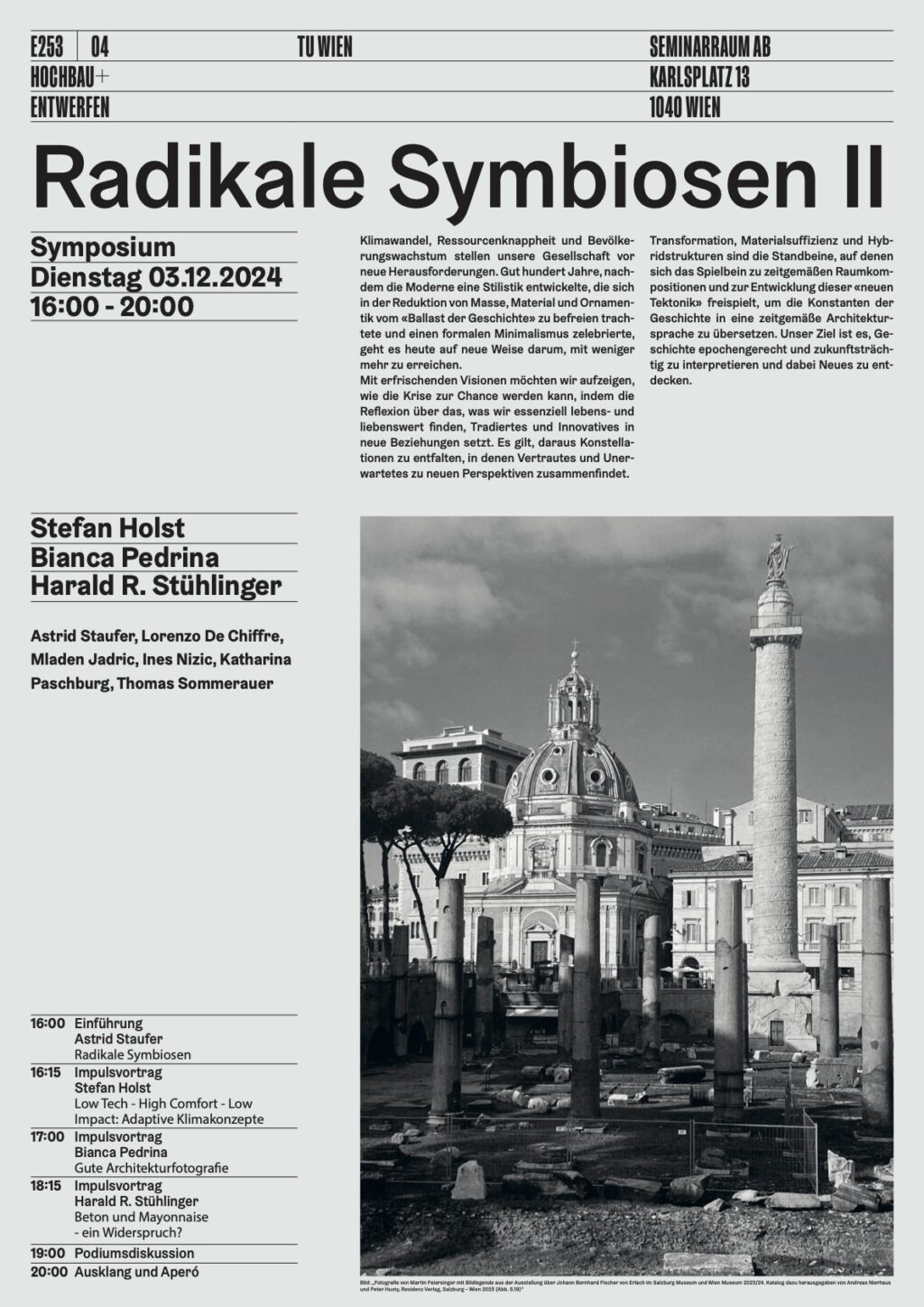
DEC 3, 2024
16:00
SYMPOSIUM:
RADIKALE SYMBIOSEN II
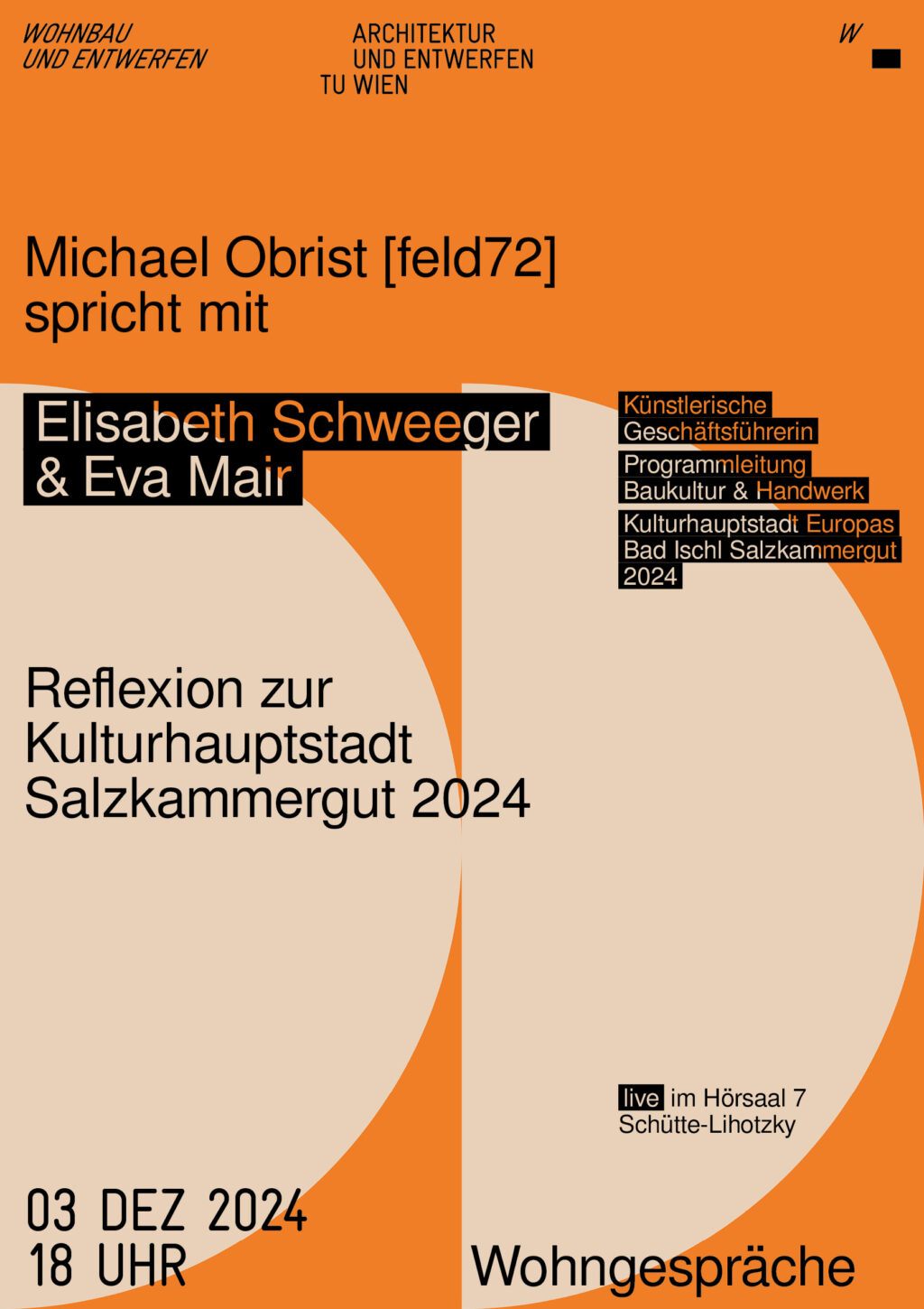
DEC 3, 2024
18:00
HOUSING TALKS:
REFLEXION ZUR KULTURHAUPTSTADT SALZKAMMERGUT 2024
DEC 11, 2024
19:00
LECTURE:
PASCALE DALIX
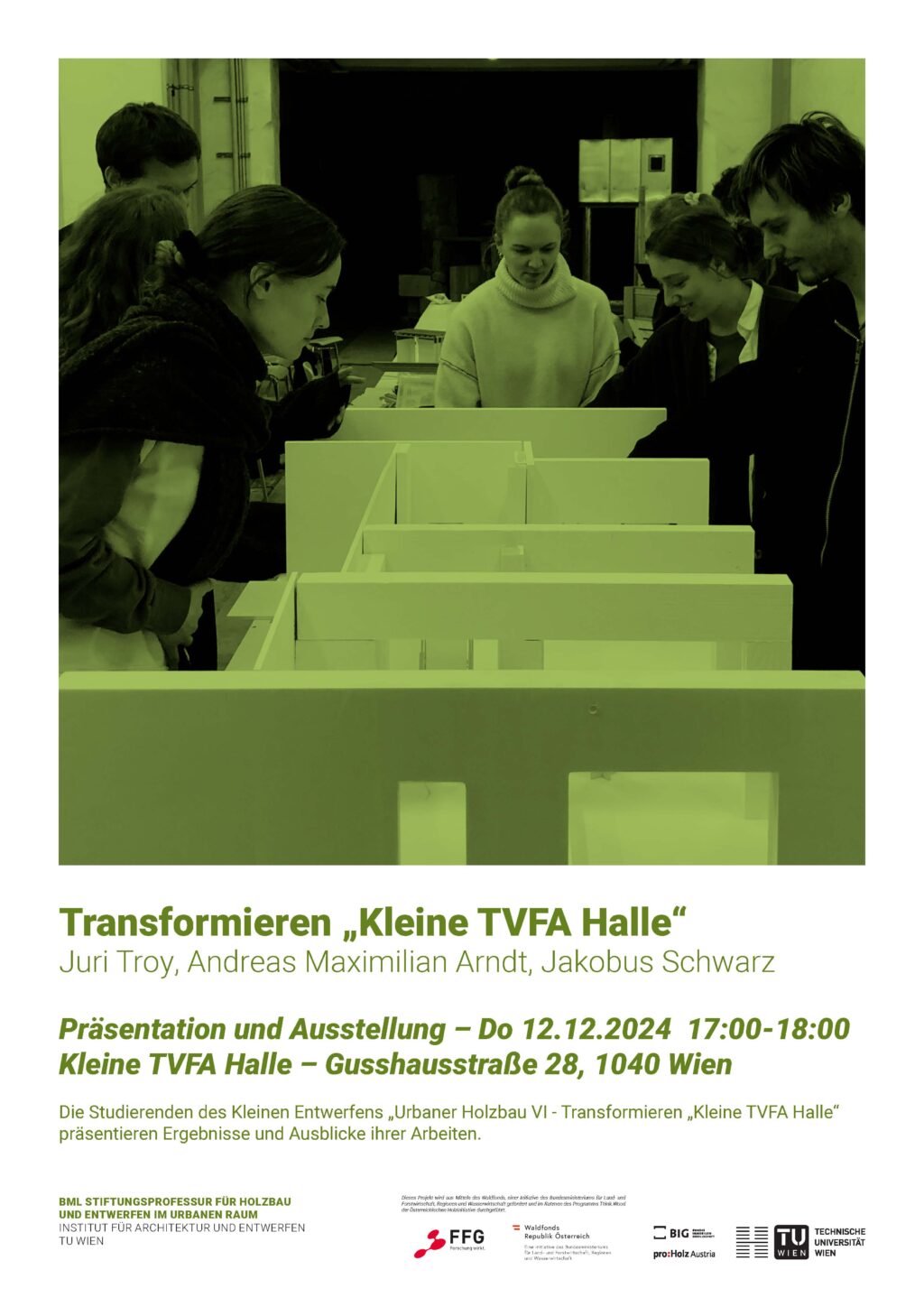
DEC 12, 2024
17:00
EXHIBITION:
TRANSFORMIEREN „KLEINE TVFA HALLE“
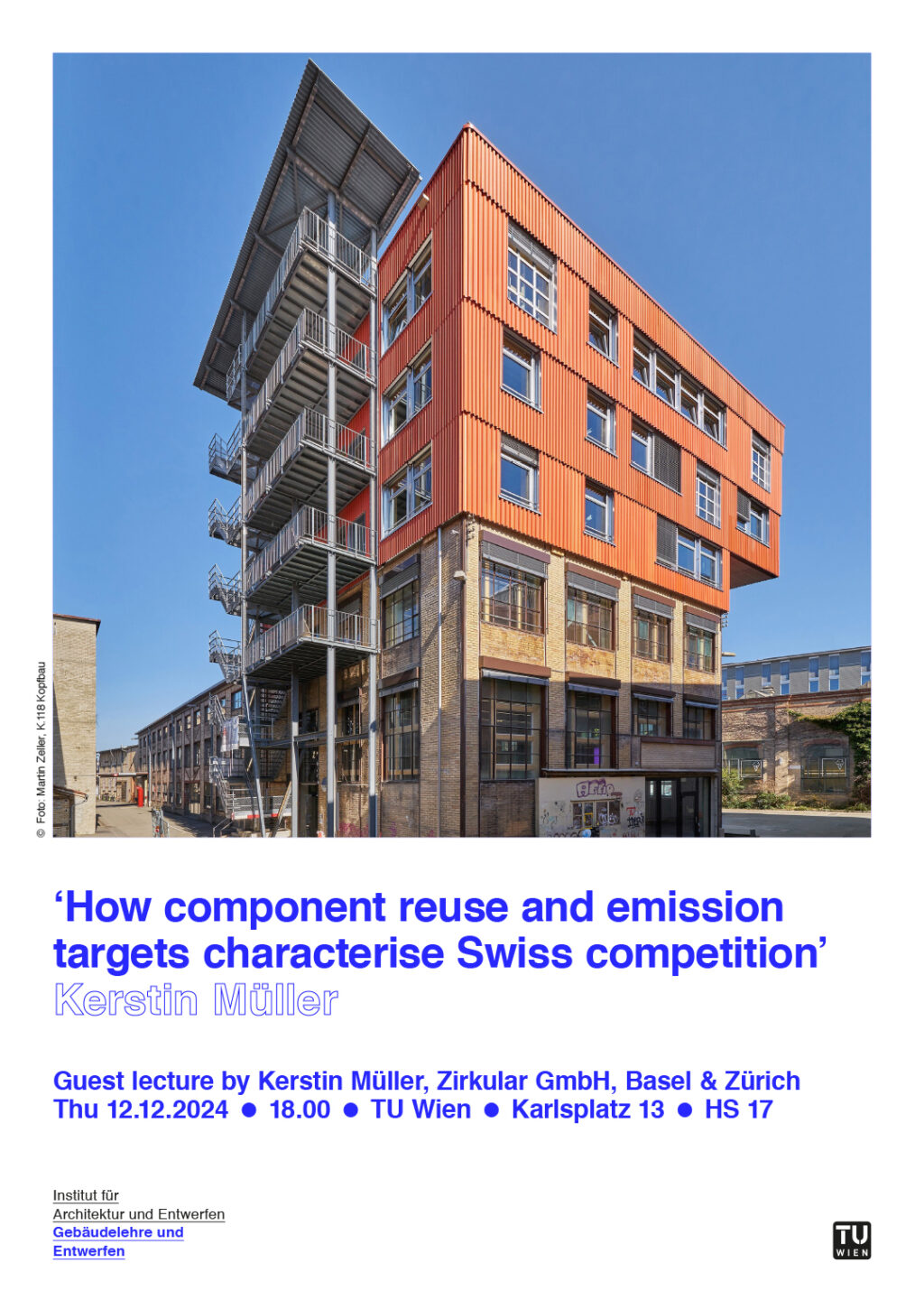
DEC 12, 2024
18:00
LECTURE:
KERSTIN MÜLLER
JAN 7, 2025
18:00
HOUSING TALKS:
RICHARD SENNETT
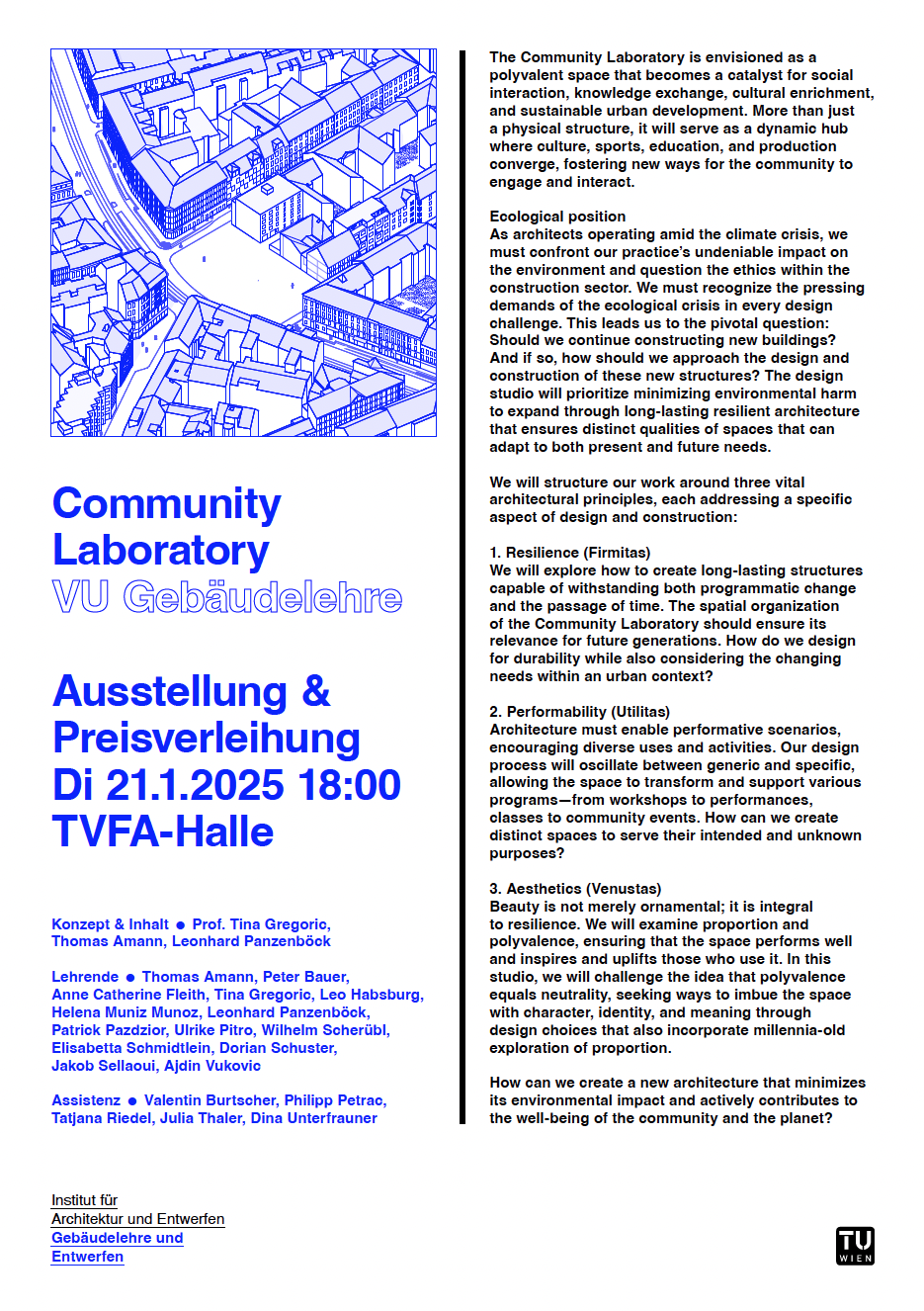
JAN 21, 2025
18:00
EXHIBITION:
COMMUNITY LABORATORY
JAN 21, 2025
18:00
HOUSING TALKS:
CAROLING GENZ

JAN 21, 2025
19:00
SCREENING AND TALK:
BÊKA & LEMOINE
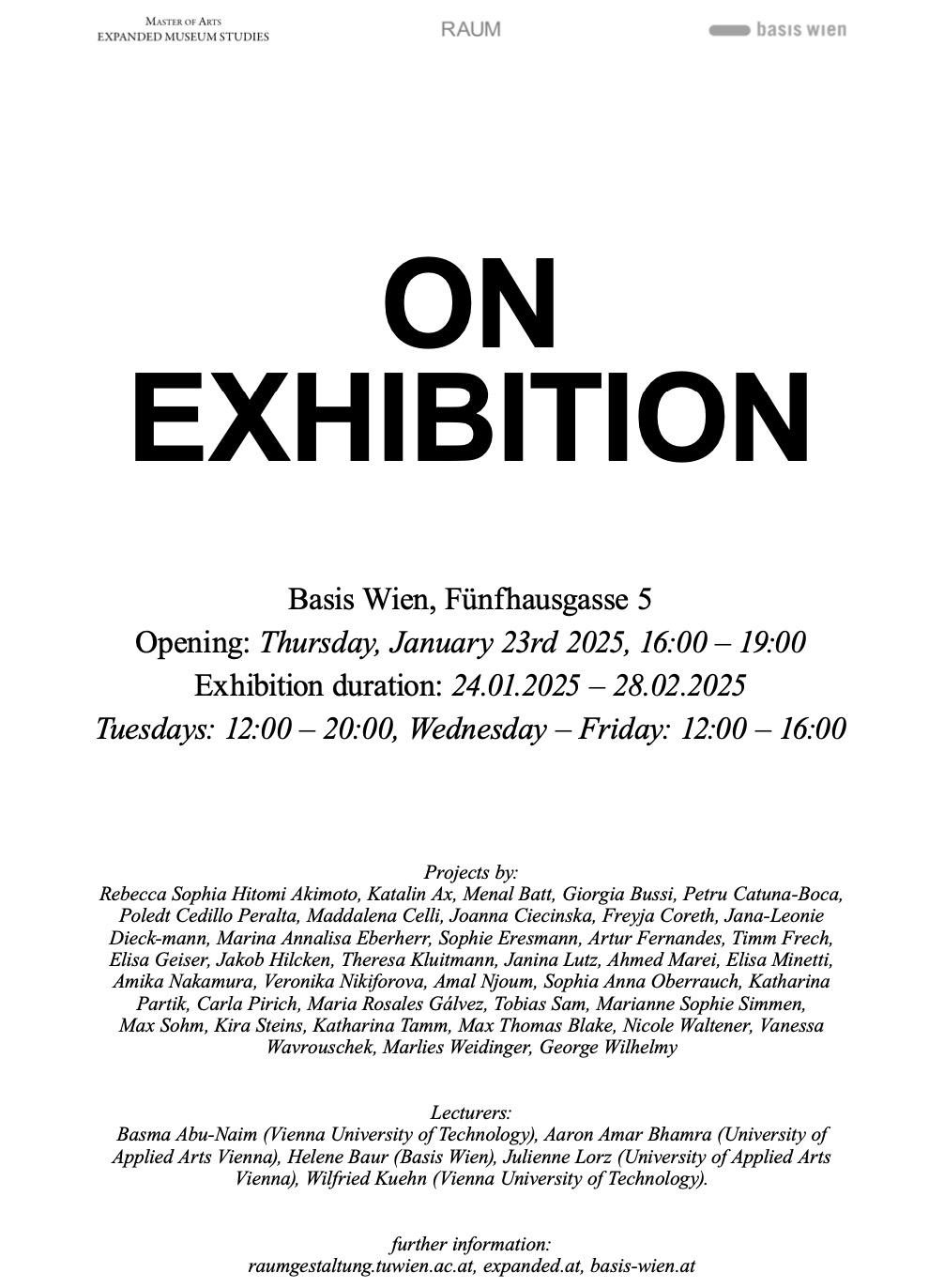
JAN 23, 2025
16:00
EXHIBITION:
ON EXHIBITION
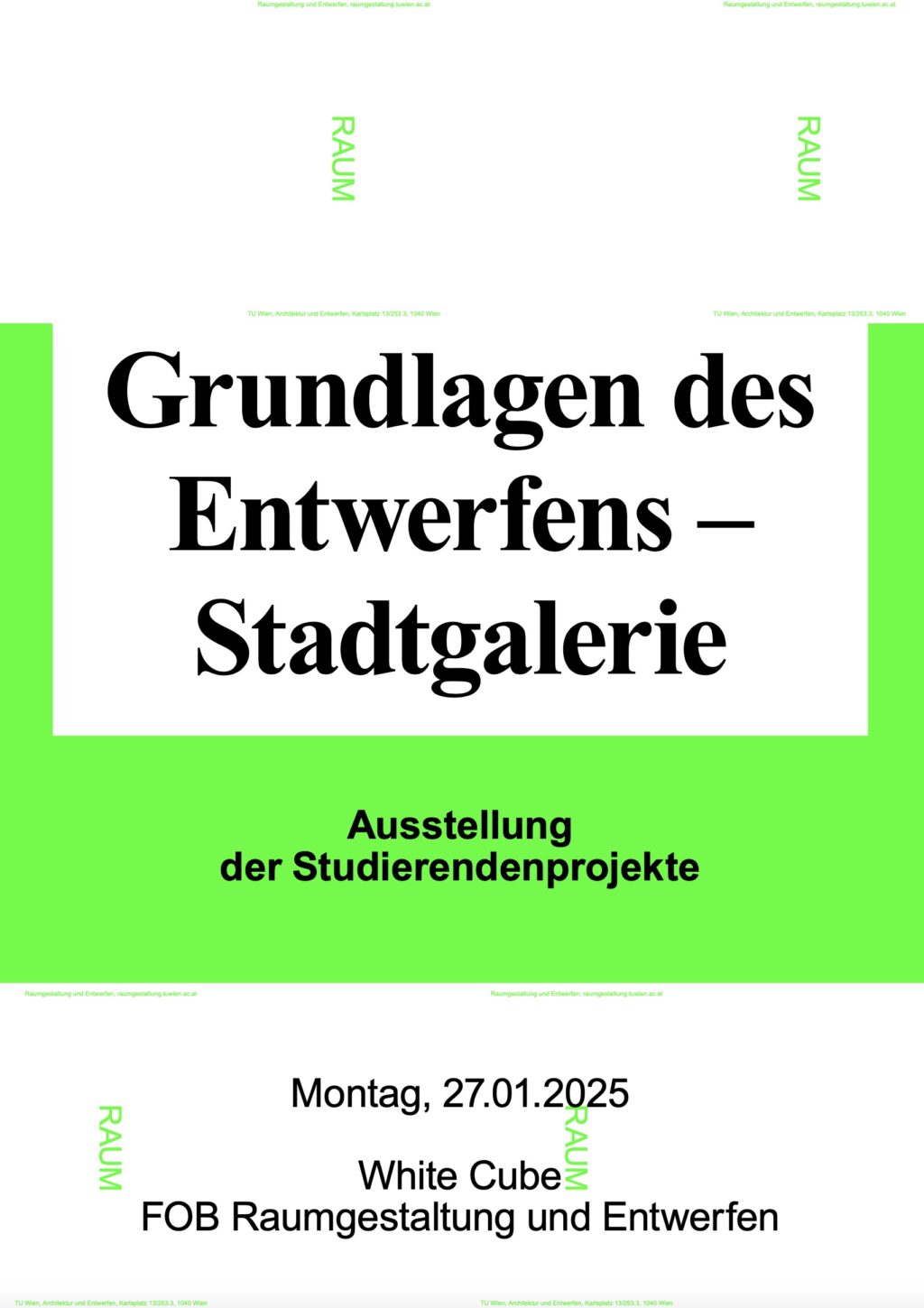
JAN 27, 2025
19:00
EXHIBITION:
STADTGALERIE
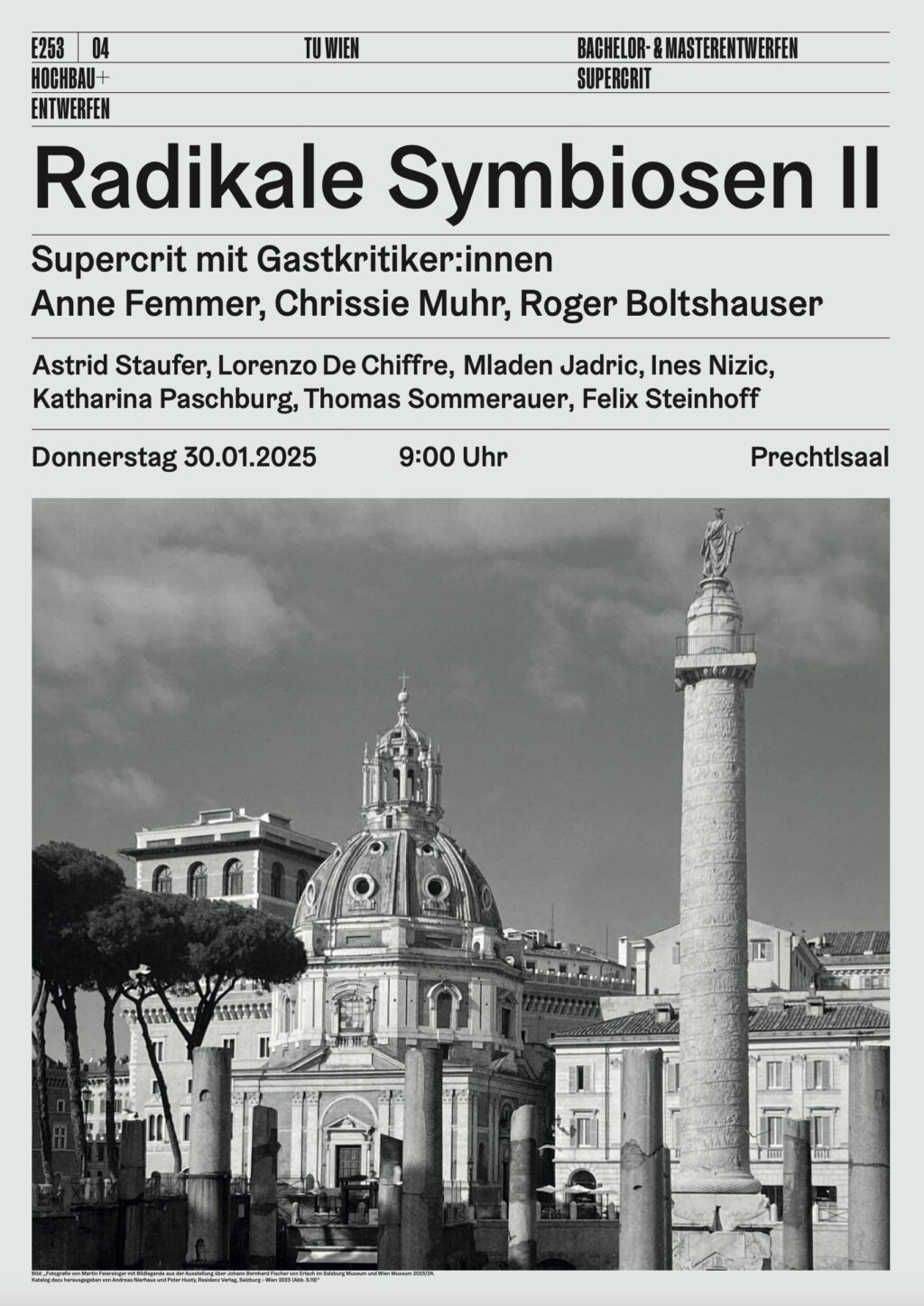
JAN 30, 2025
09:00
SUPERCRIT:
RADIKALE SYMBIOSEN II
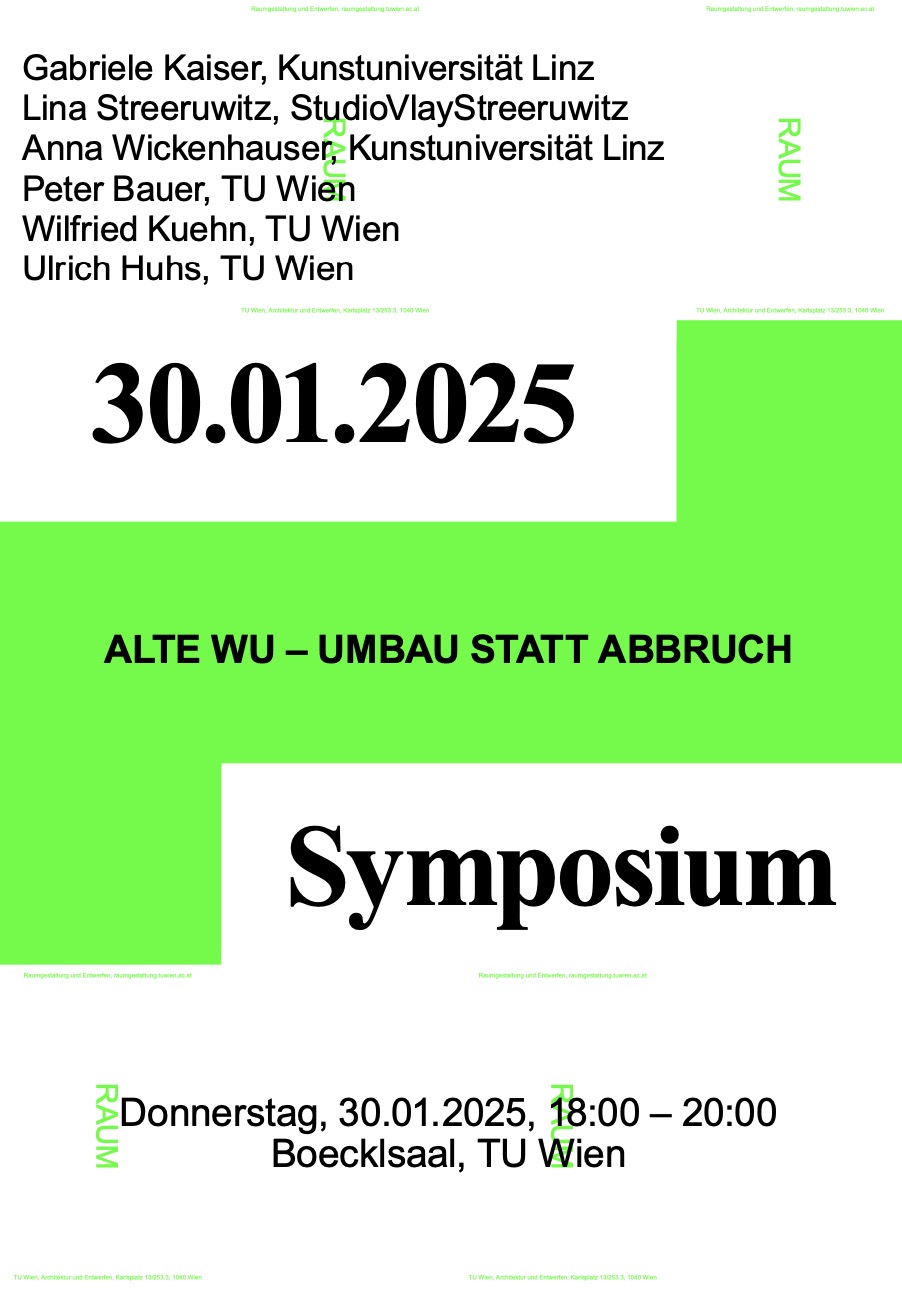
JAN 30, 2025
18:00
SYMPOSIUM:
ALTE WU – UMBAU STATT ABBRUCH
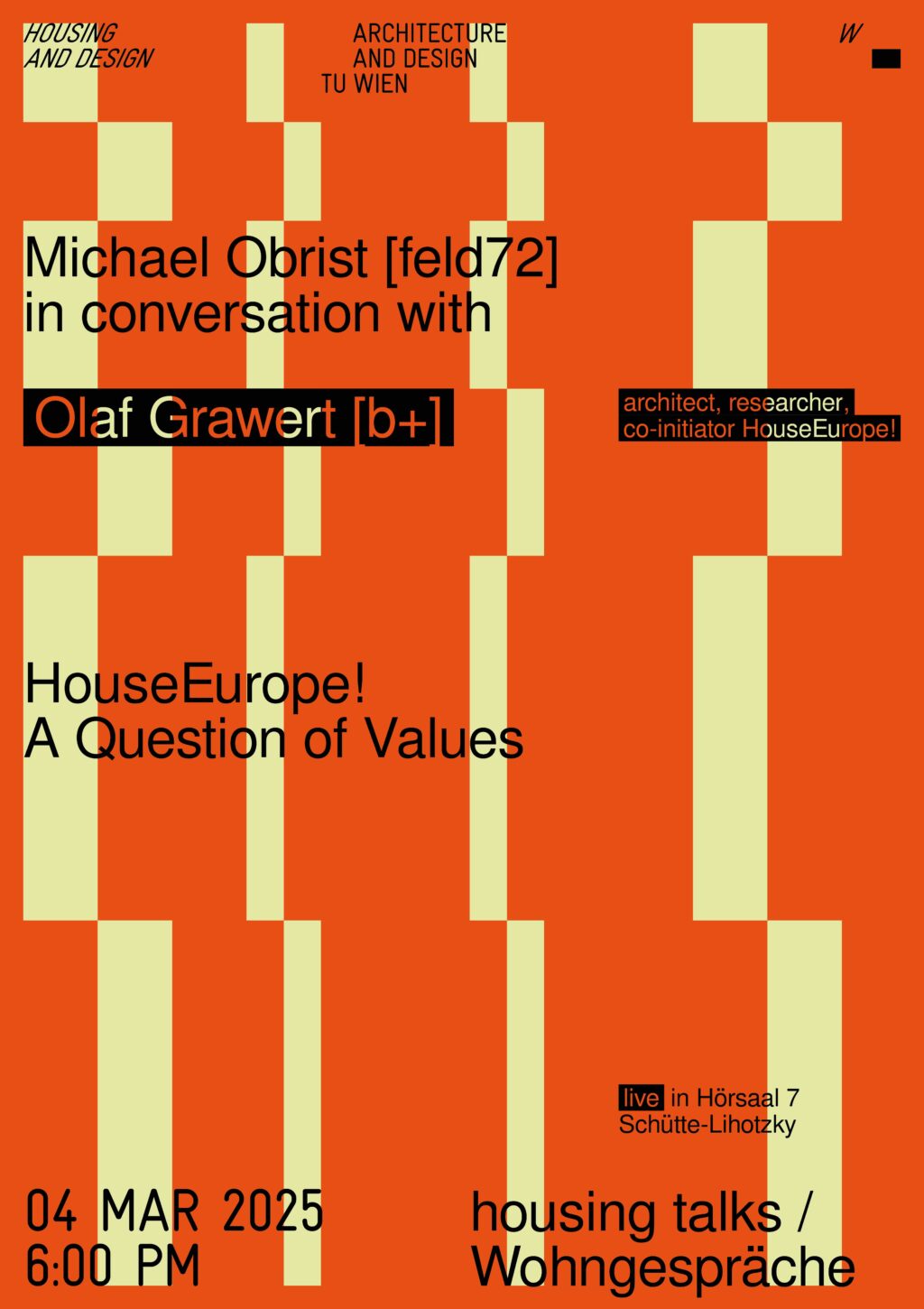
MAR 4, 2025
18:00
HOUSING TALKS:
OLAF GRAWERT
HOUSEEUROPE
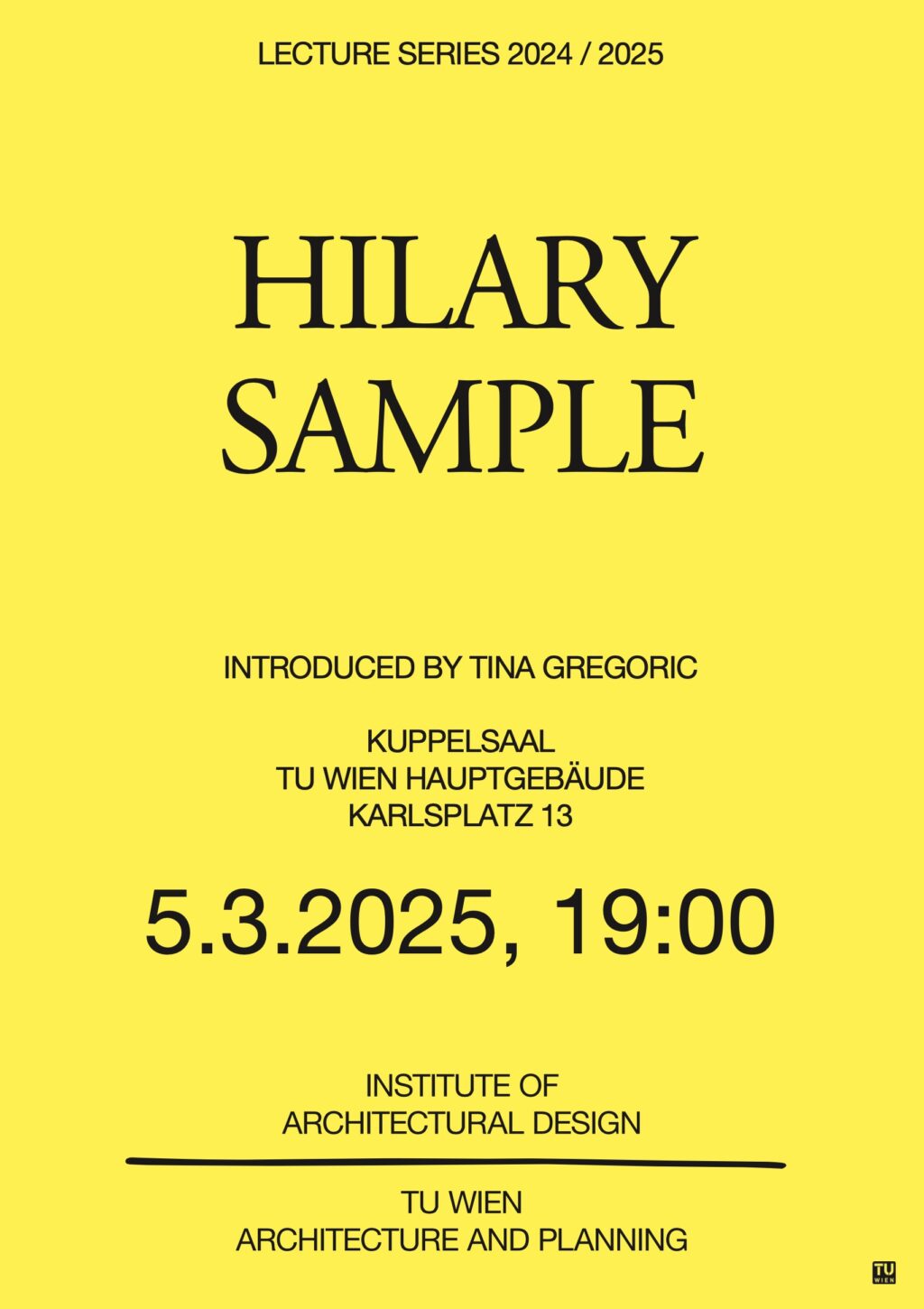
MAR 5, 2025
19:00
LECTURE: HILARY SAMPLE
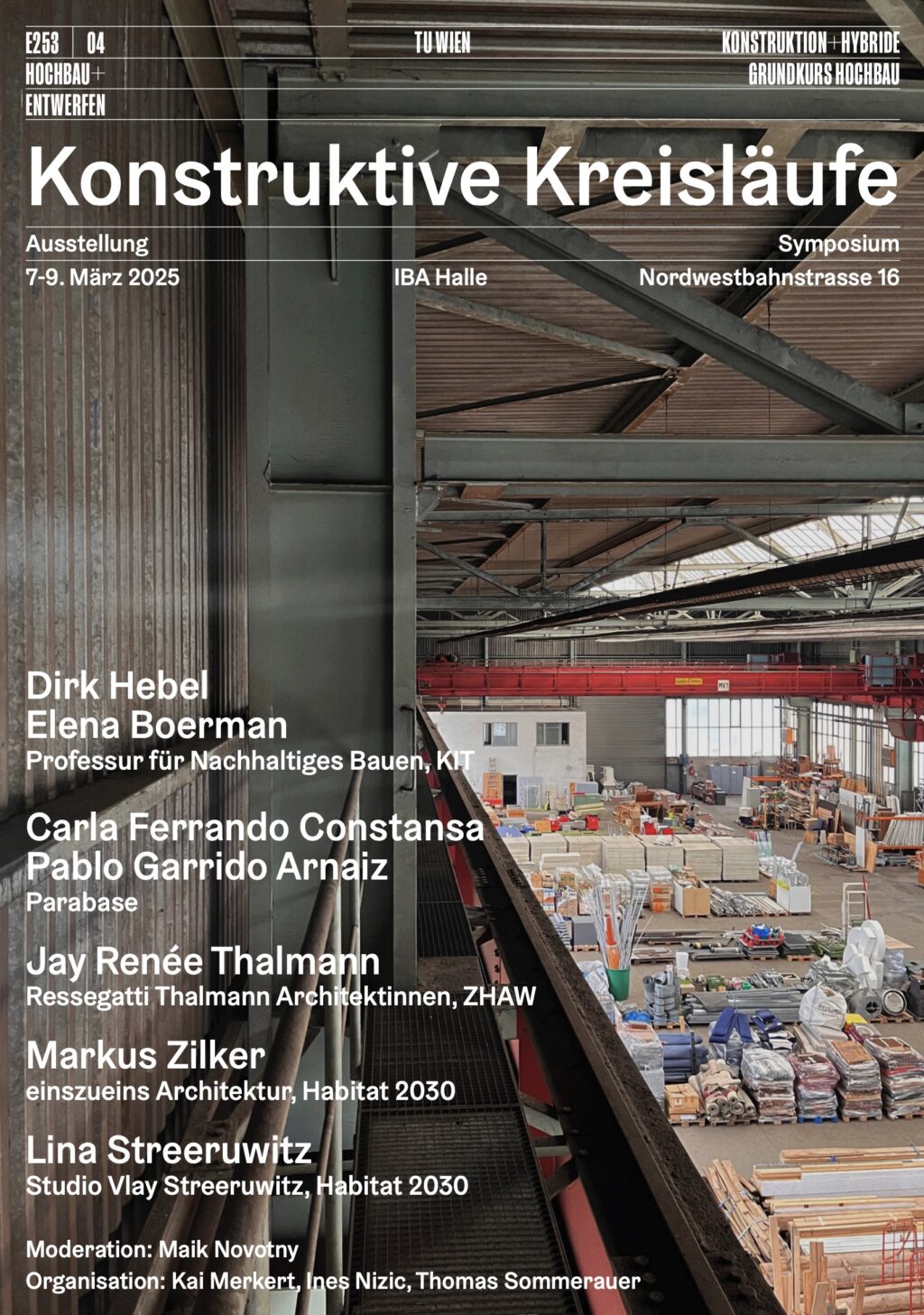
MAR 7, 2025
14:00
EXHIBITION & SYMPOSIUM: KONSTRUKTIVE KREISLÄUFE
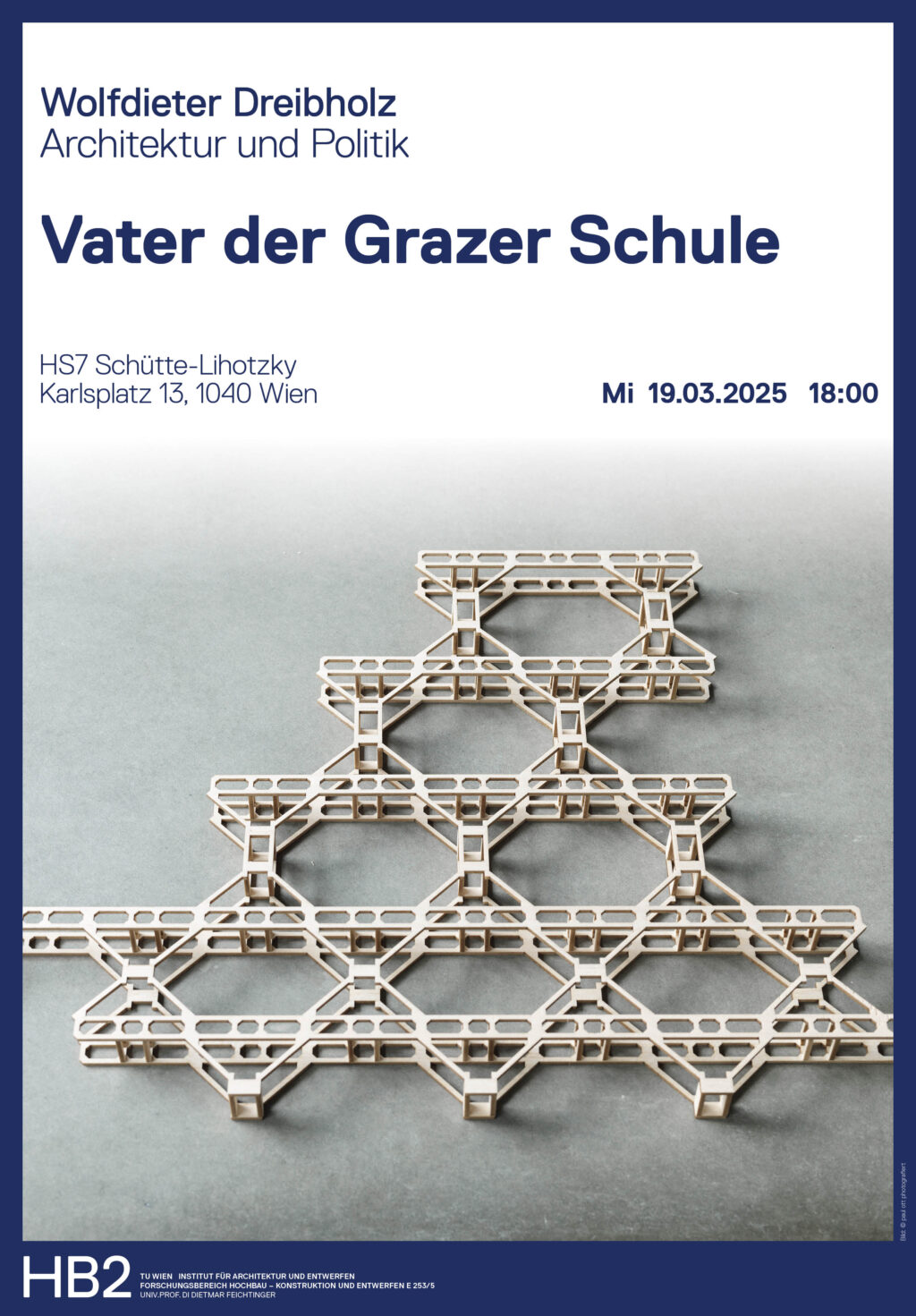
MAR 19, 2025
18:00
Lecture:
Wolfdieter Dreibholz
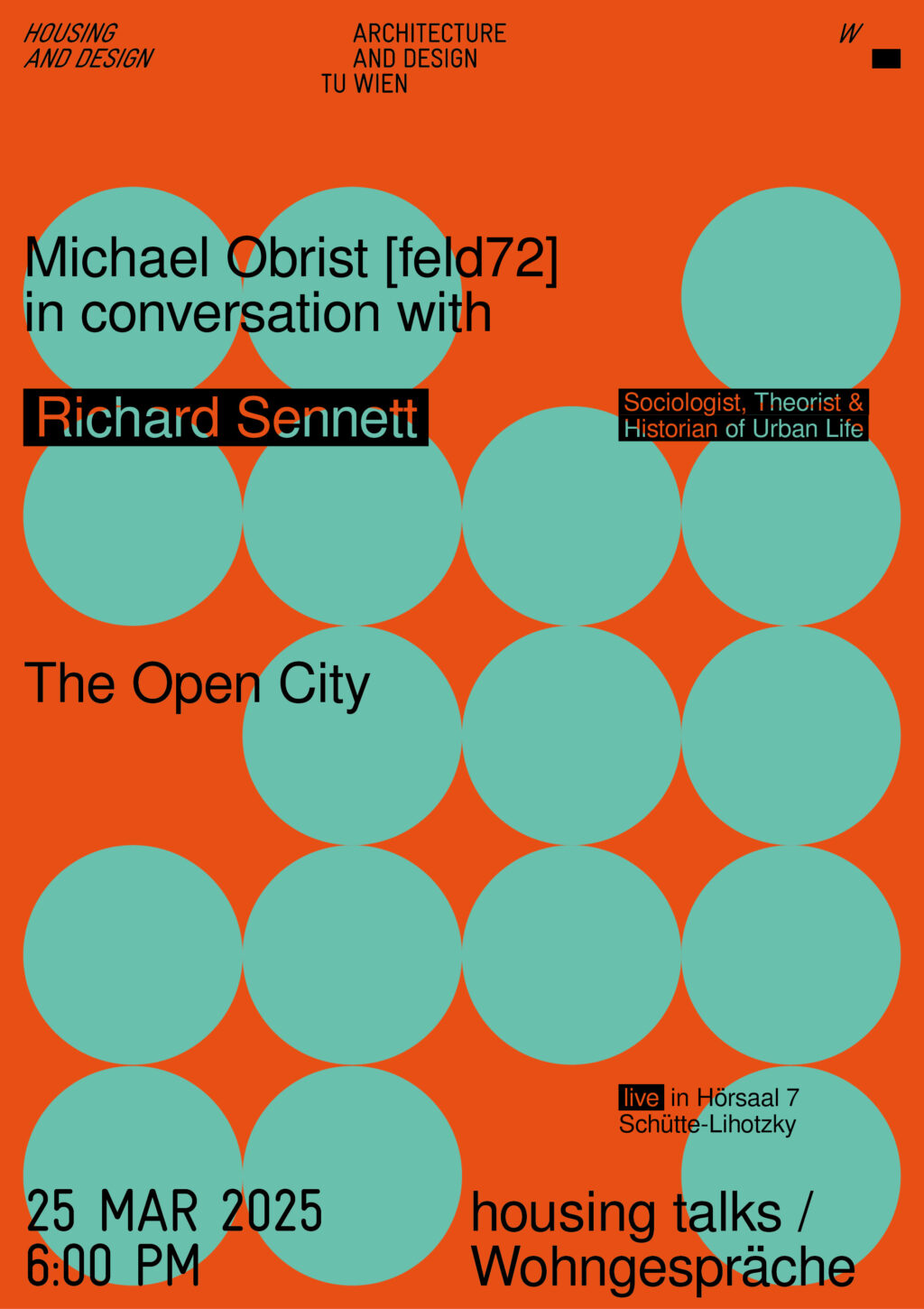
MAR 25, 2025
18:00
HOUSING TALKS:
RICHARD SENNETT

MAR 26, 2025
18:00
EXHIBITION:
WONDERS OF THE MODERN WORLD
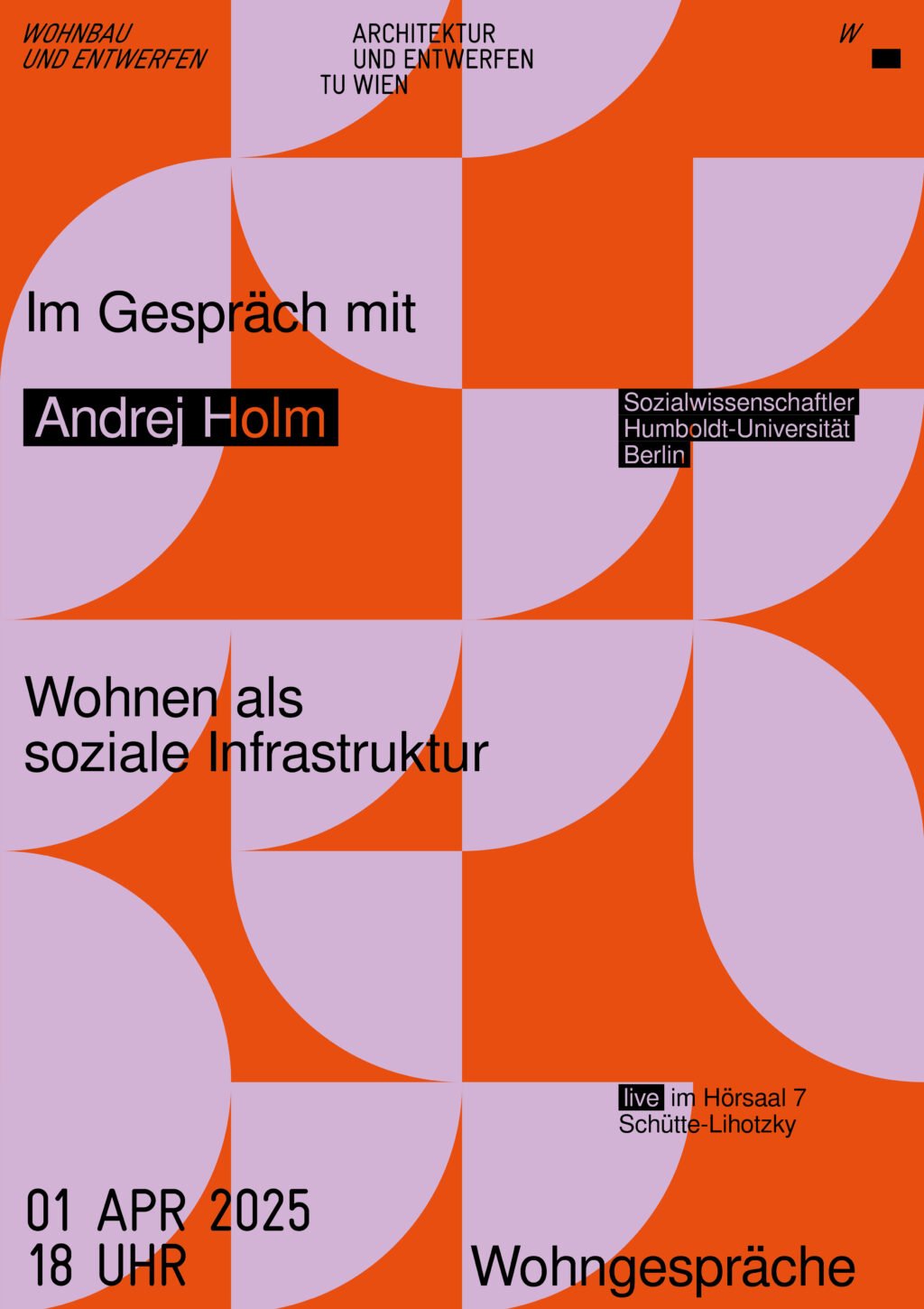
APR 1, 2025
18:00
HOUSING TALKS:
ANDREJ HOLM
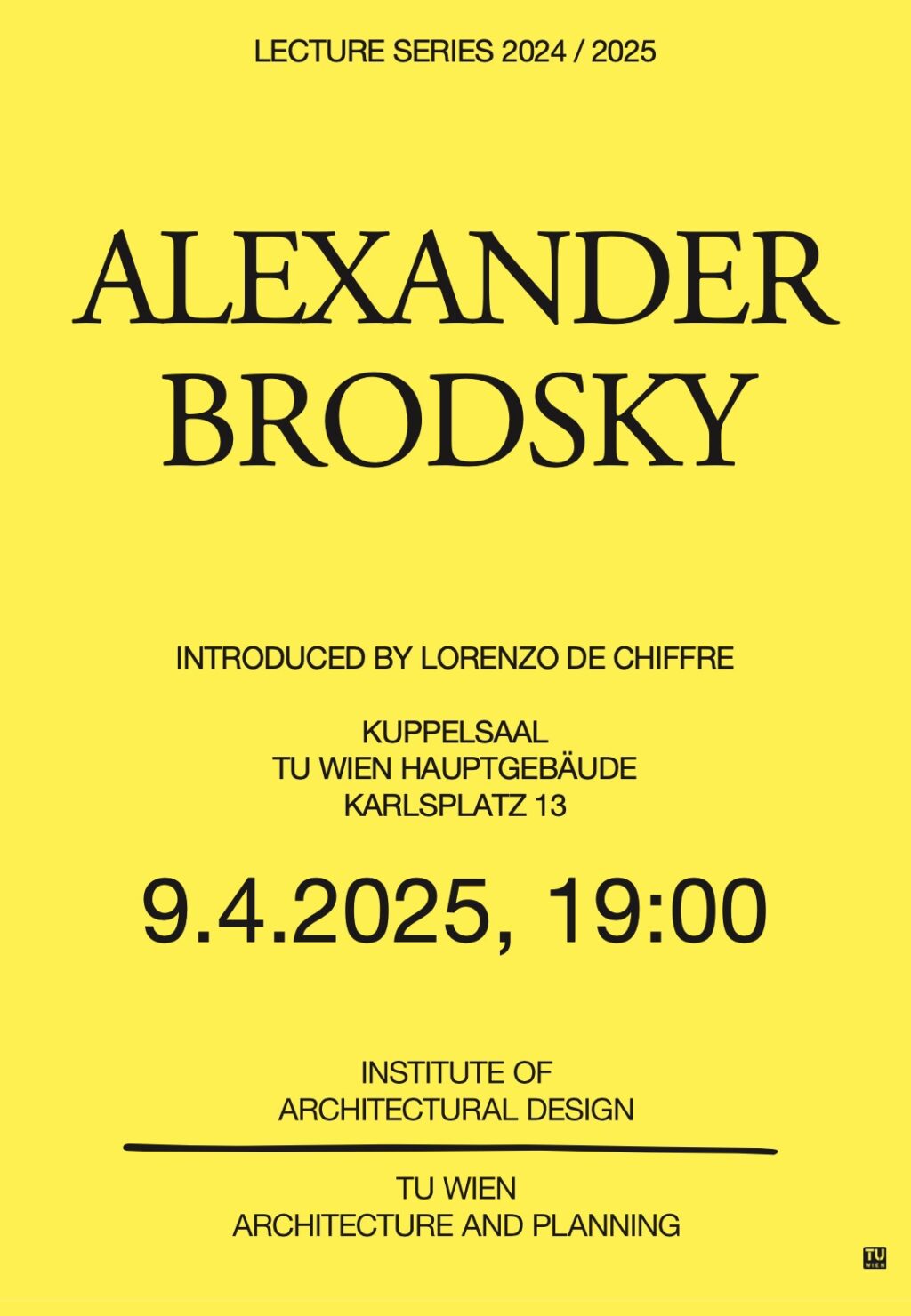
APR 9, 2025
19:00
LECTURE:
ALEXANDER BRODSKY
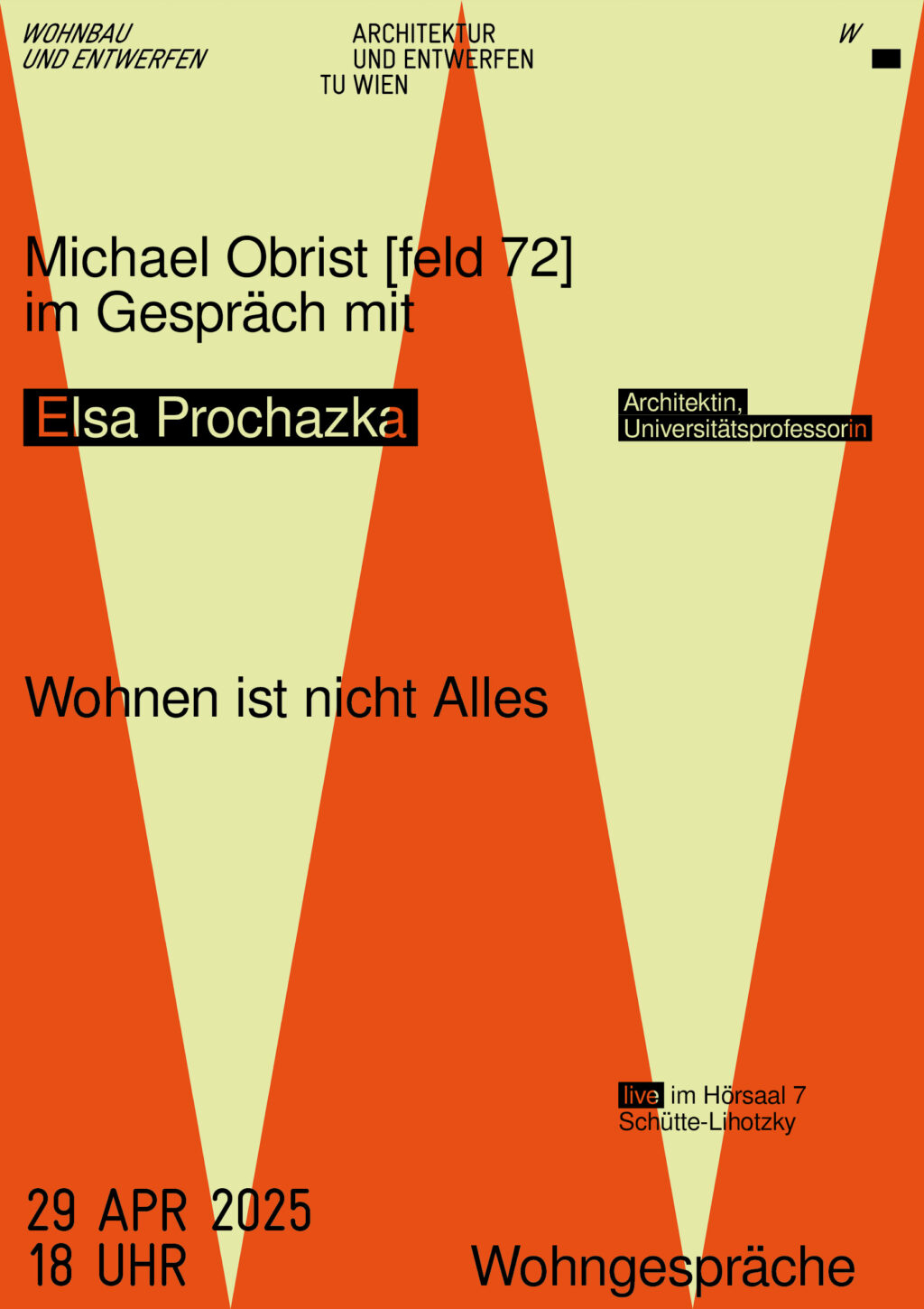
APR 29, 2025
18:00
HOUSING TALKS:
ELSA PROCHAZKA
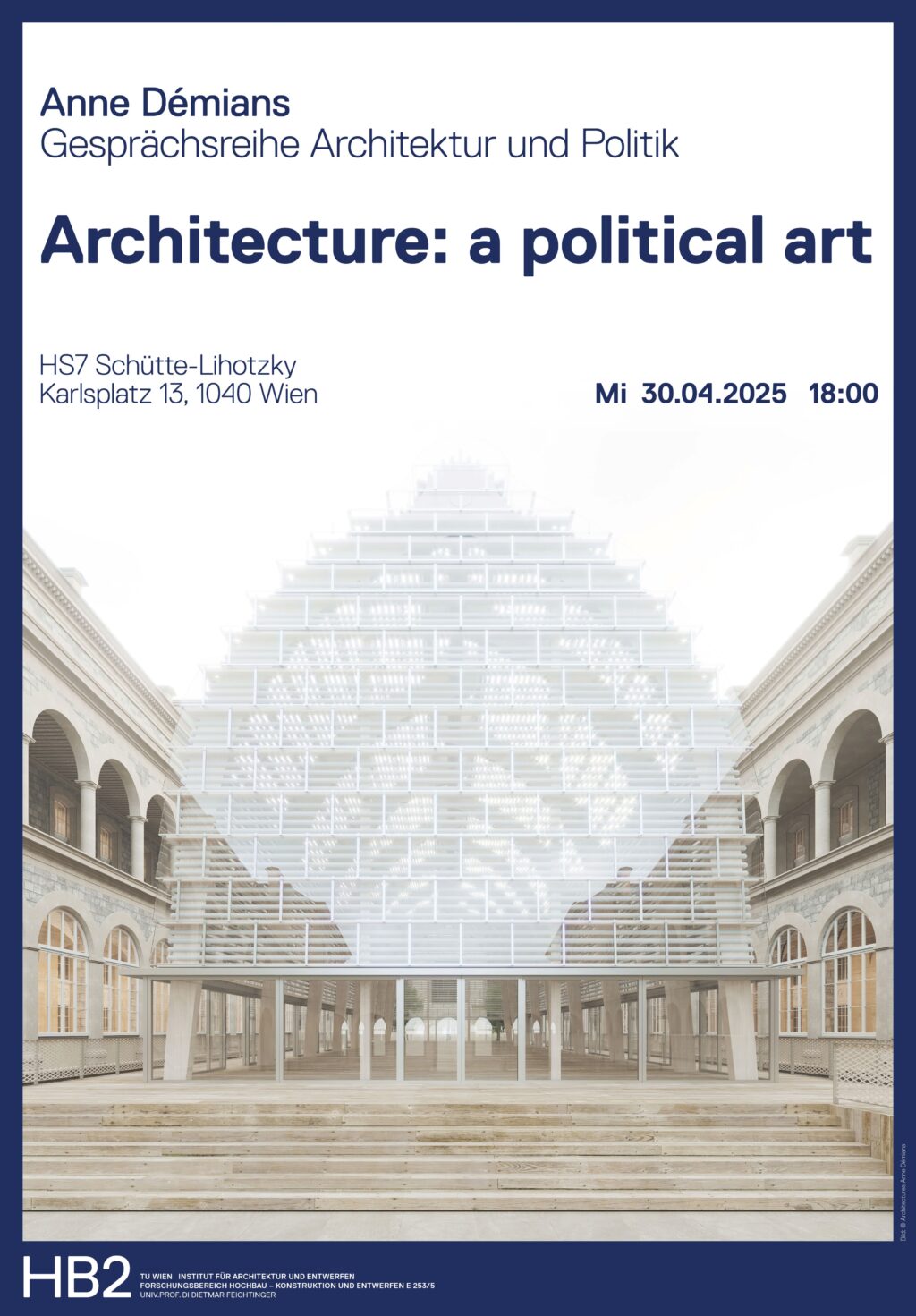
APR 30, 2025
18:00
Lecture:
Anne Démians
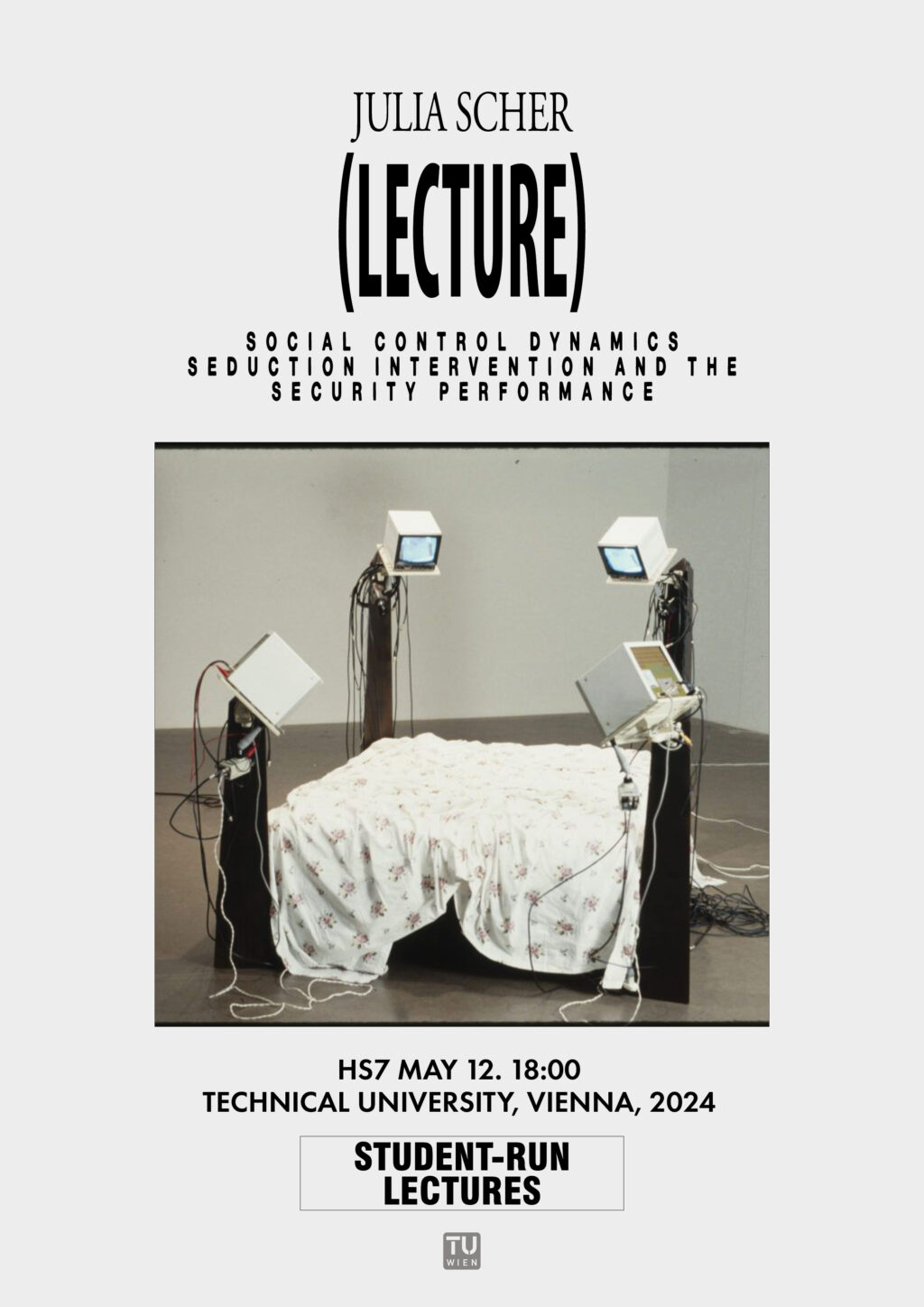
MAY 12, 2025
18:00
LECTURE:
JULIA SCHER
MAY 14, 2025
19:00
LECTURE.
MOMOYO KAIJIMA
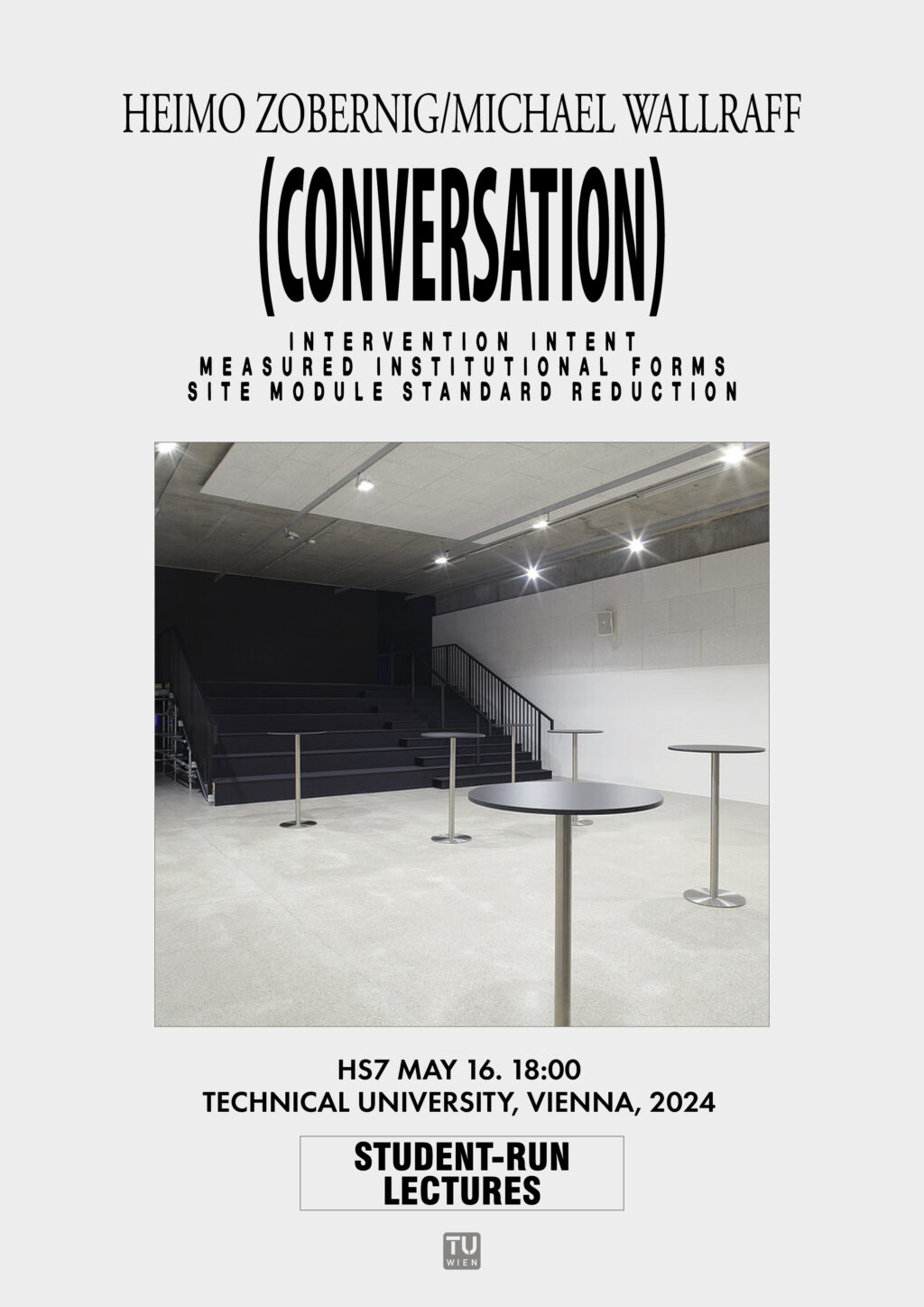
MAY 16, 2025
18:00
CONVERSATION:
HEIMO ZOBERNIG & MICHAEL WALLRAFF
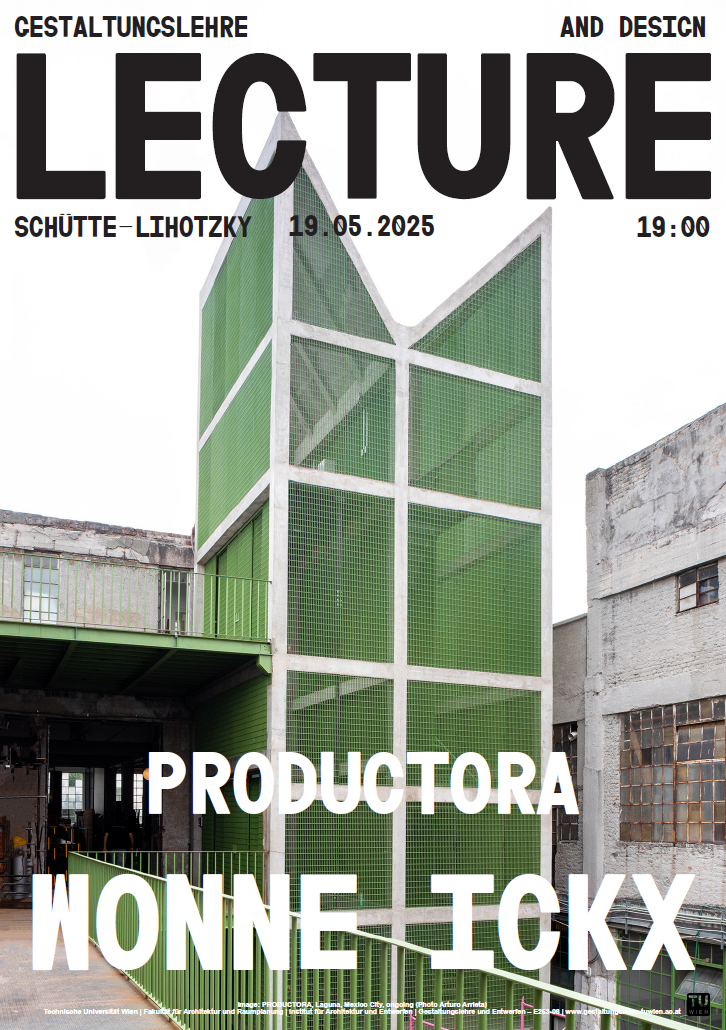
MAY 19, 2025
19:00
LECTURE:
WONNE ICKX
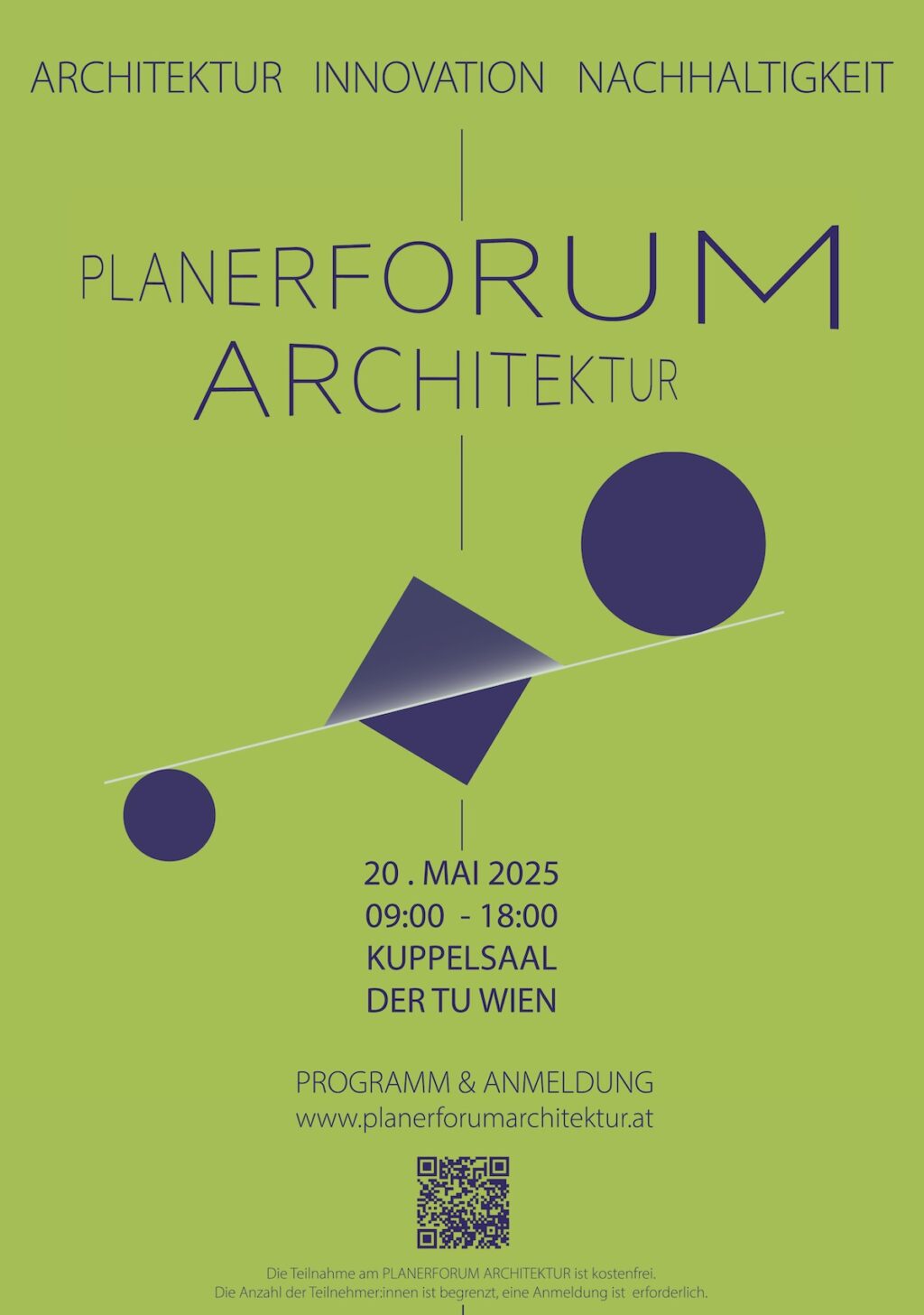
MAY 20, 2025
09:15
PLANERFORUM.
ARCHITEKTUR 2025
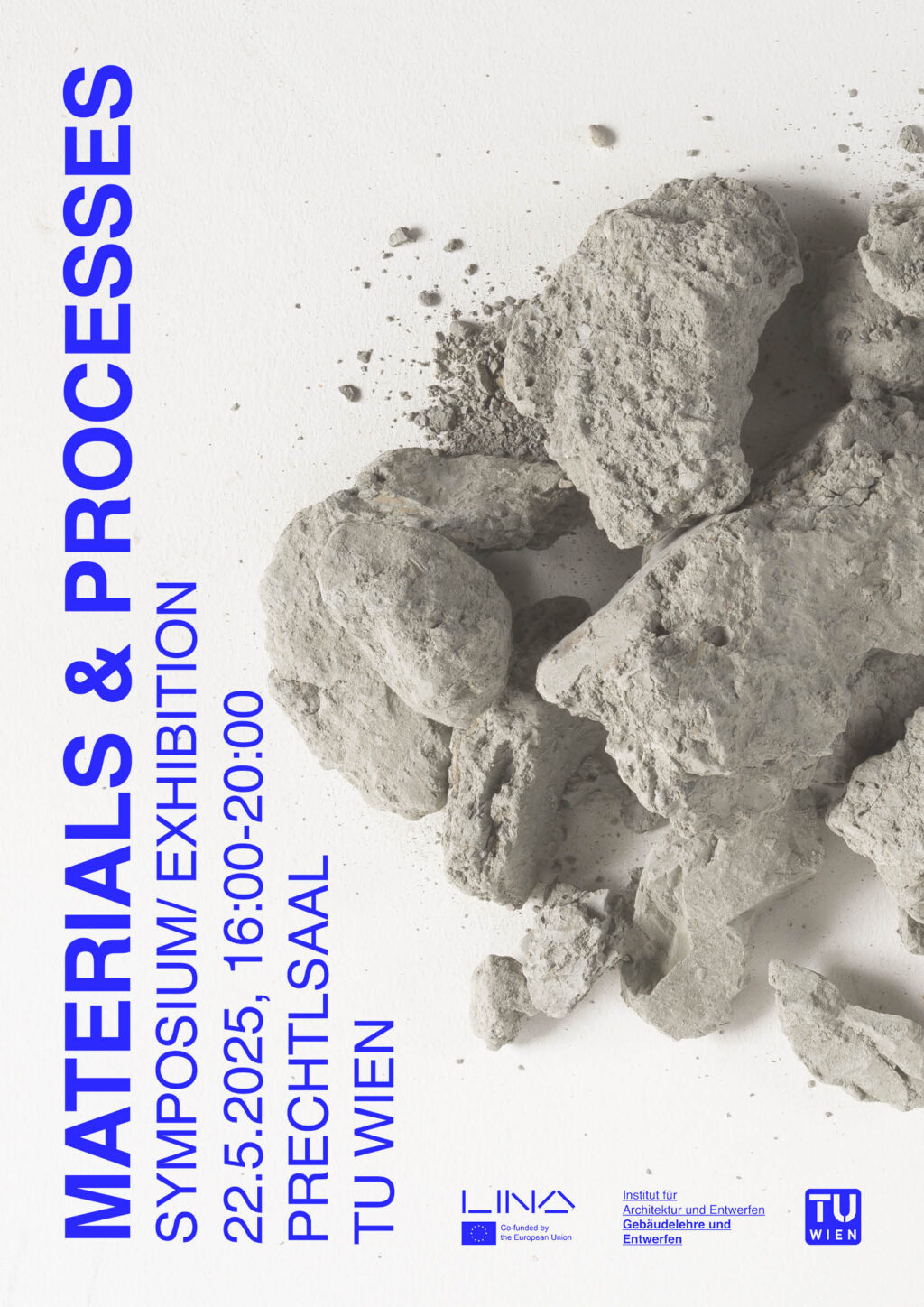
MAY 22, 2025
16:00
SYMPOSIUM, EXHIBITION:
MATERIALS & PROCESSES
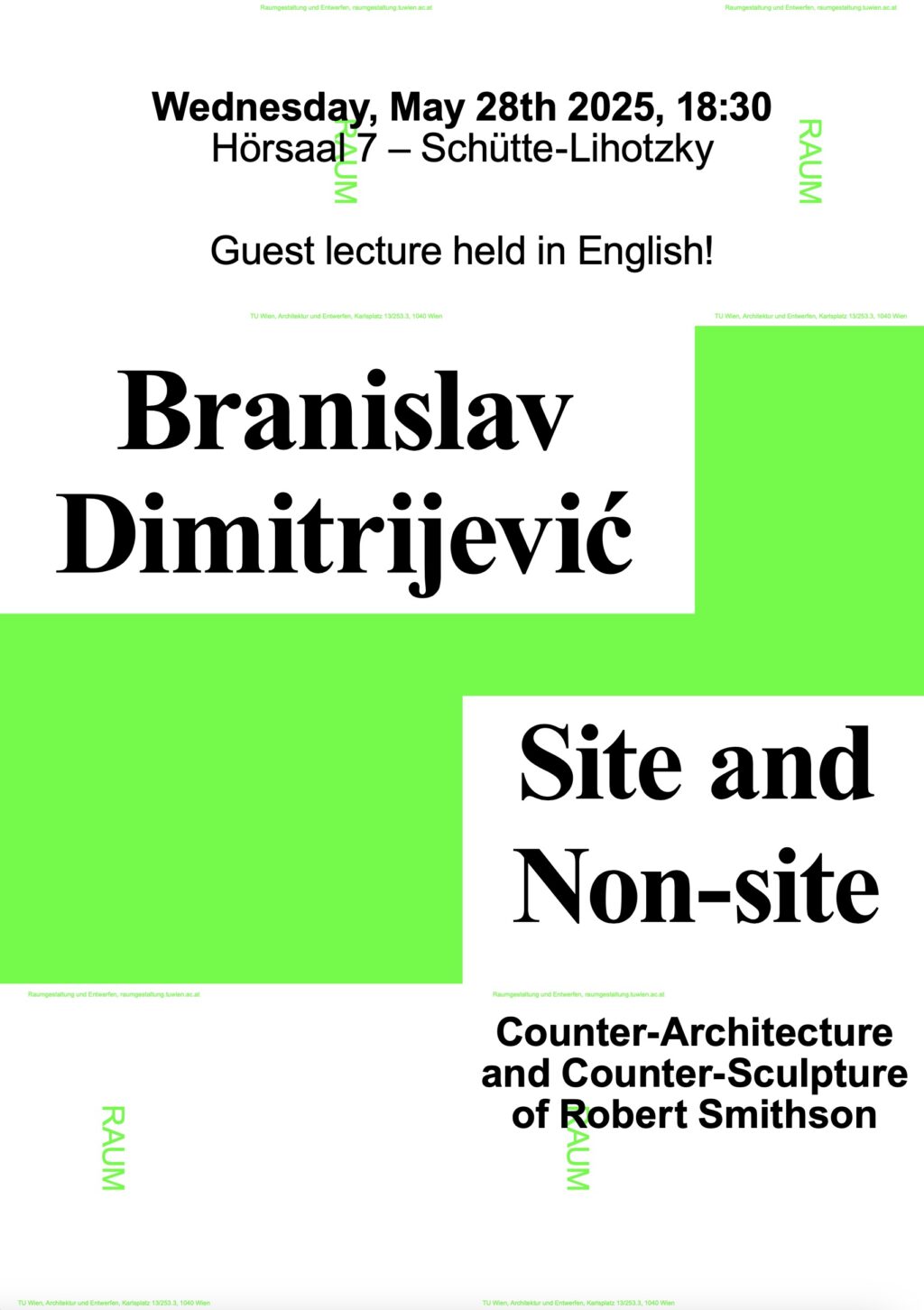
MAY 28, 2025
18:30
LECTURE:
BRANISLAV DIMITRIJEVIĆ
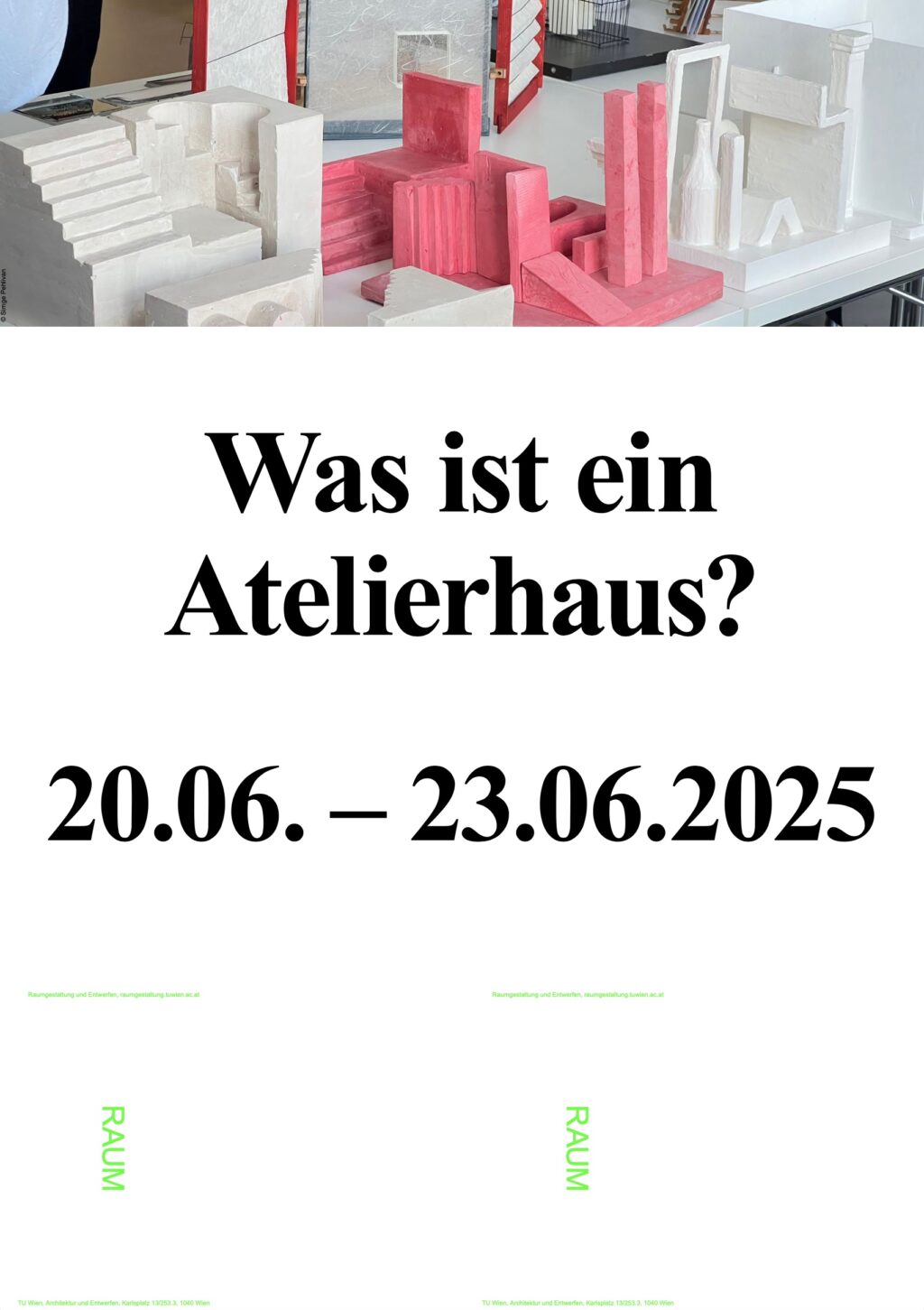
JUN 20, 2025
18:00
EXHIBITION:
WAS IST EIN ATELIERHAUS?
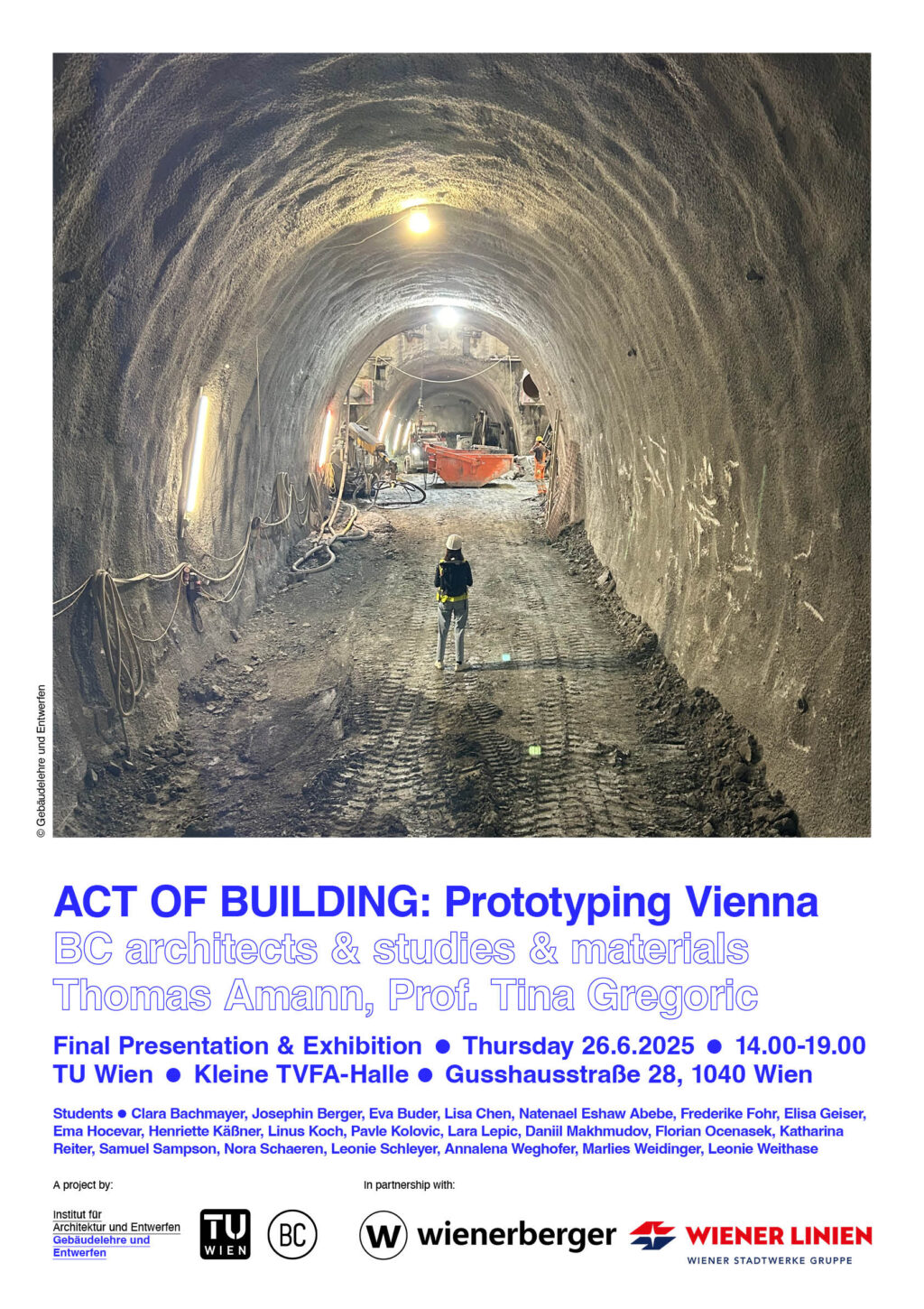
JUN 26, 2025
14:00
PRESENTATION, EXHIBITION:
ACT OF BUILDING
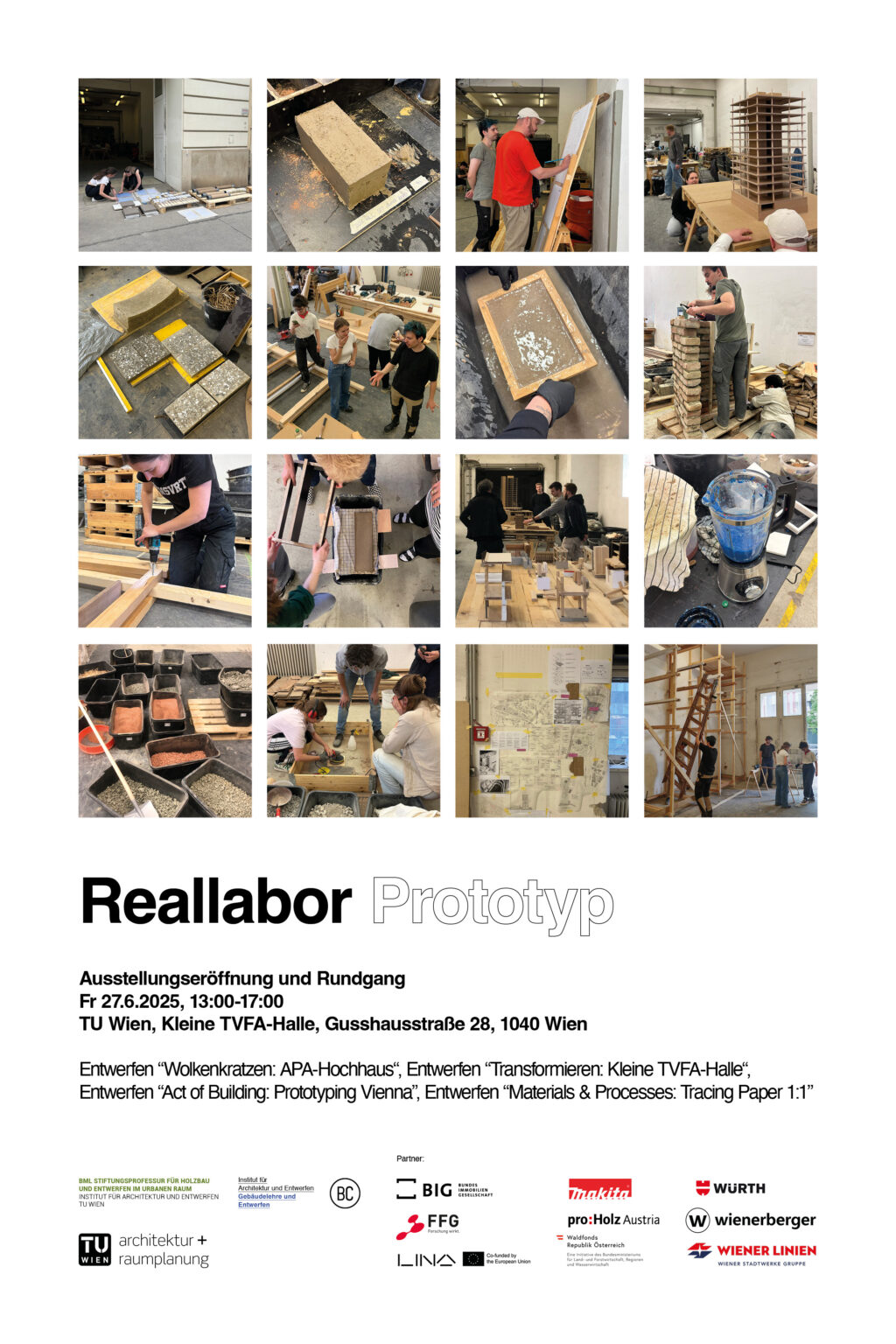
JUN 27, 2025
13:00
Presentation, Exhibition:
Reallabor Prototyp
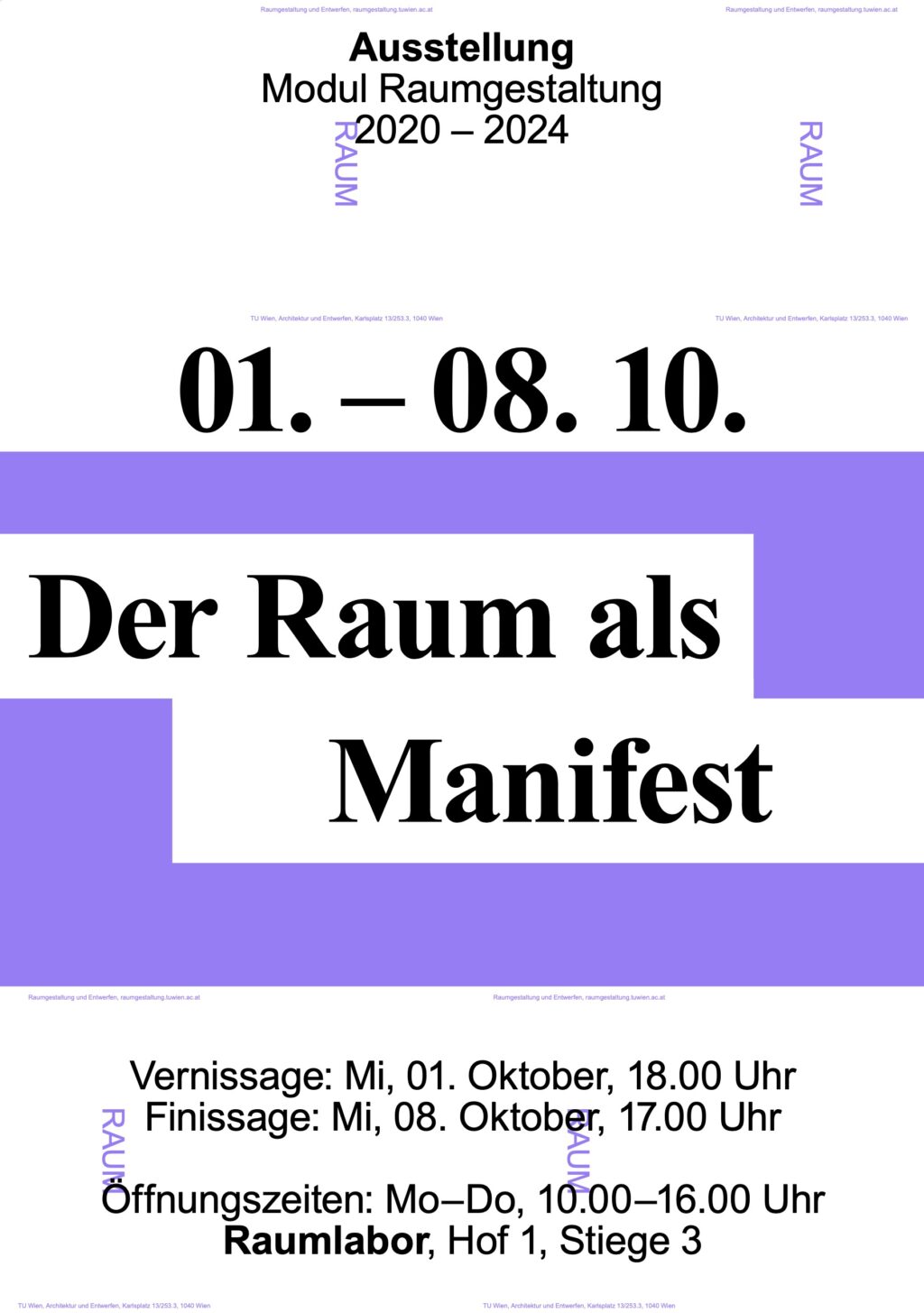
SEP 1, 2025
18:00
EXHIBITION:
DER RAUM ALS MANIFEST
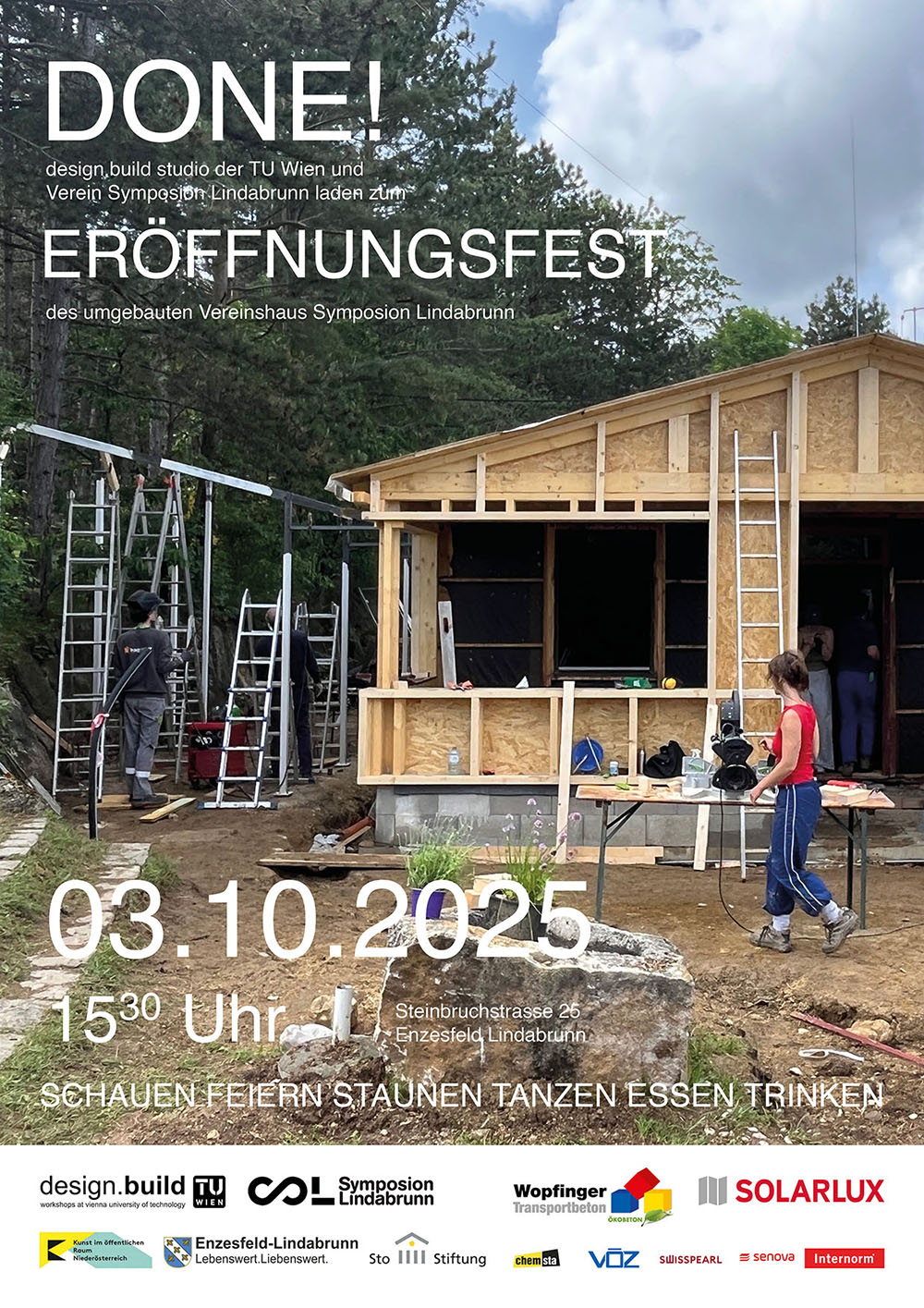
OCT 3, 2025
15:30
OPENING:
DESIGN.BUILD STUDIO
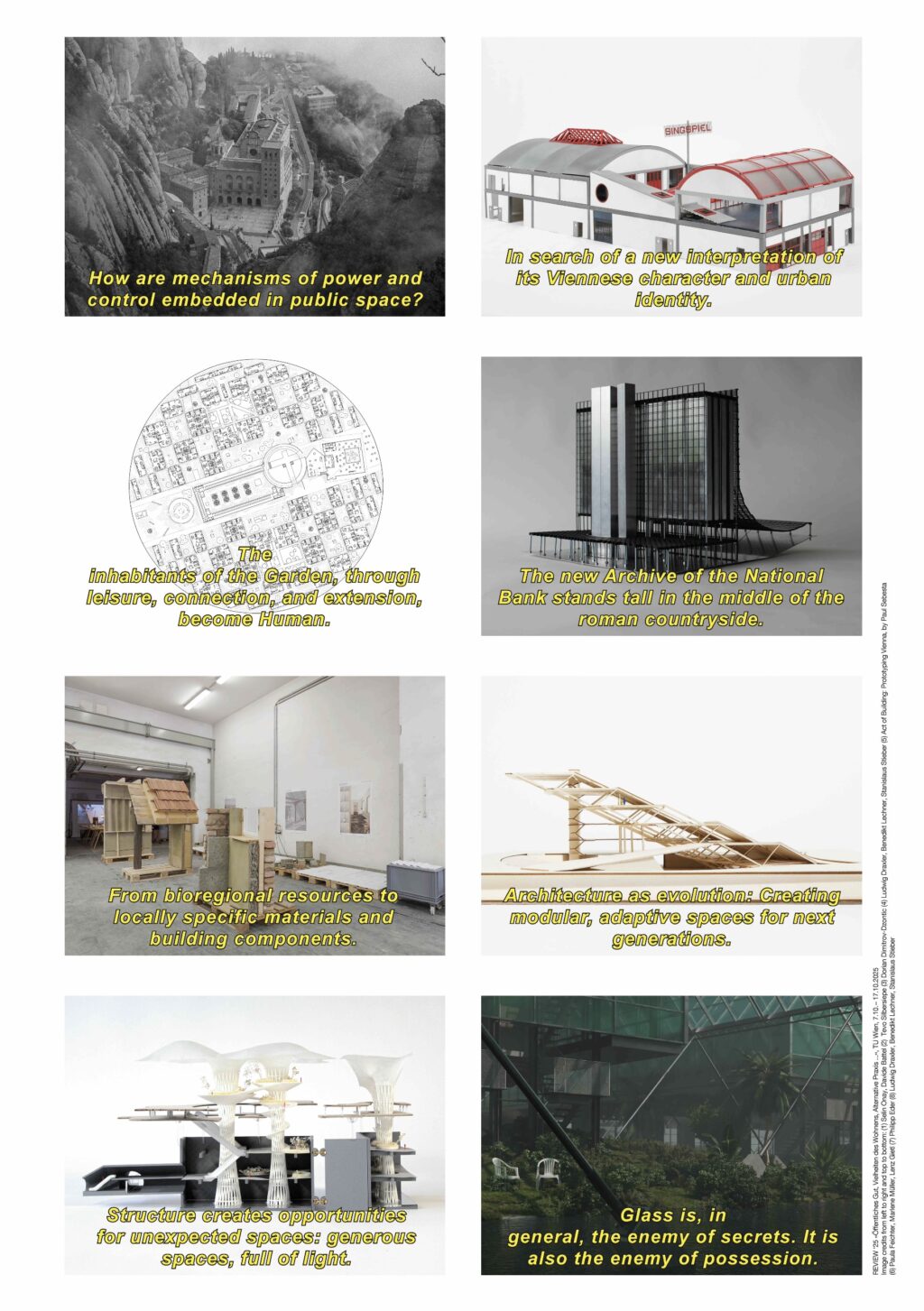
OCT 7, 2025
18:00
EXHIBITION:
REVIEW’25
OCT 9, 2025
16:00
OPENING:
WONDERS OF THE MODERN WORLD
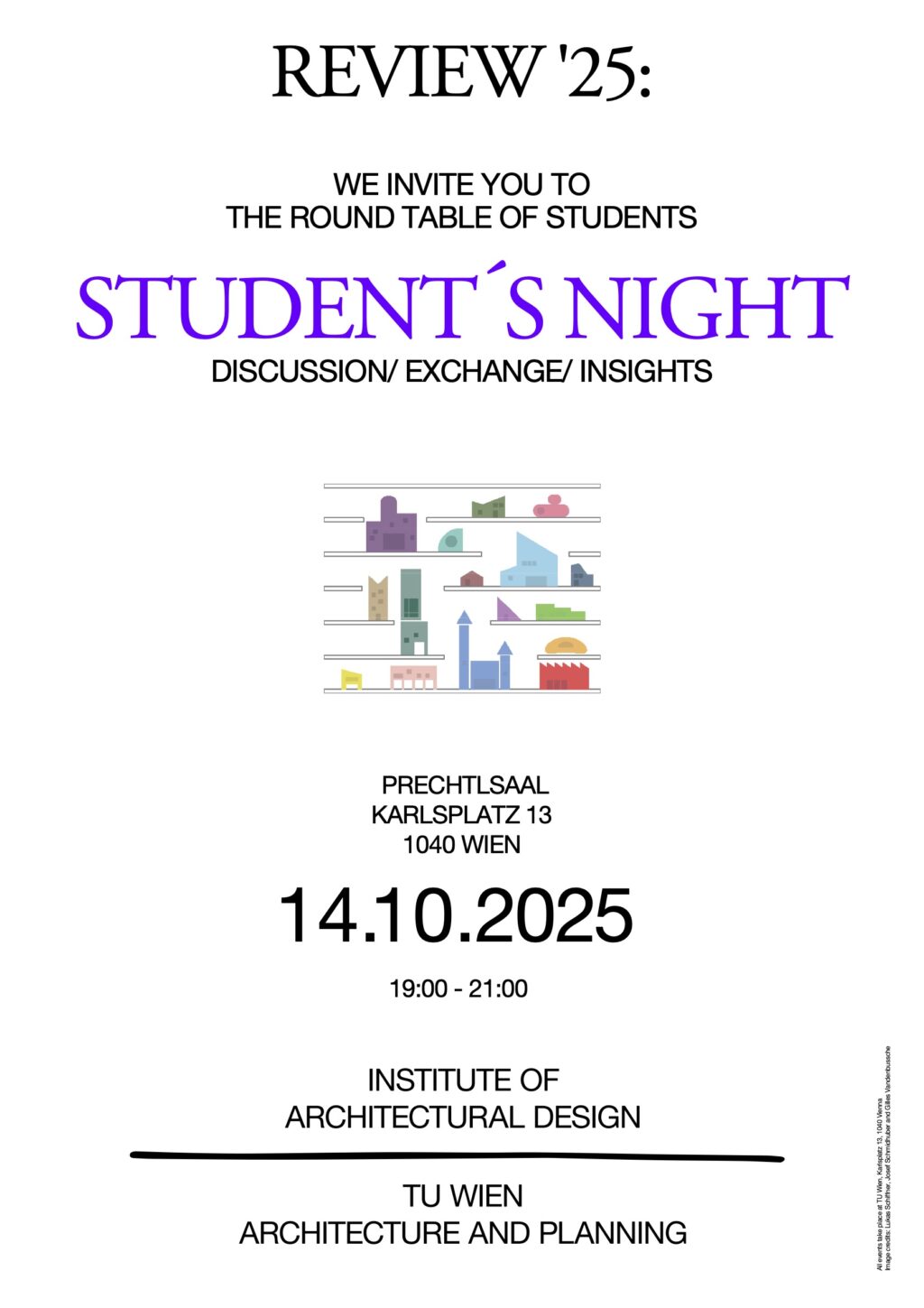
OCT 14, 2025
19:00
ROUND TABLE:
STUDENT'S NIGHT
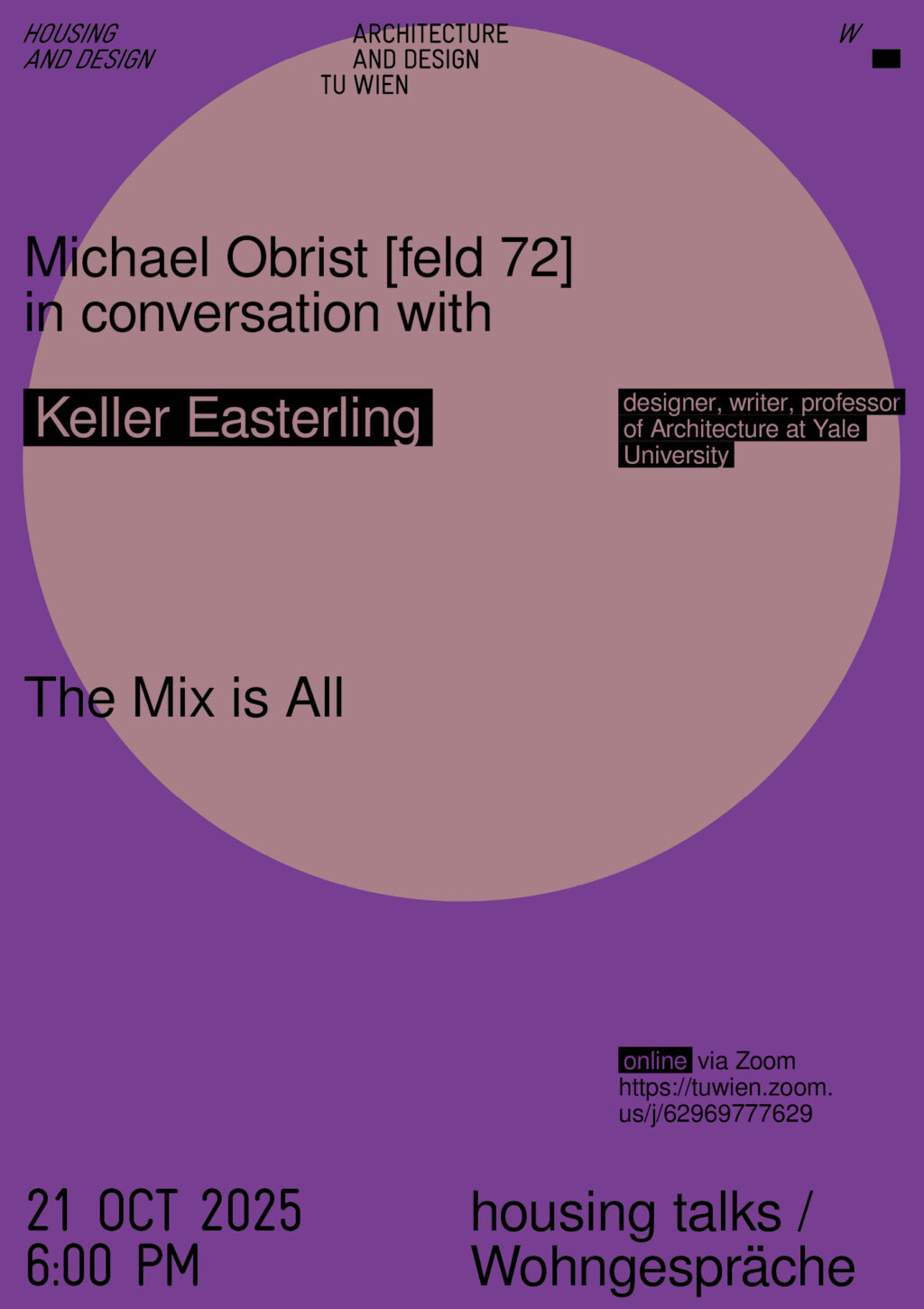
OCT 21, 2025
18:00
HOUSING TALKS:
KELLER EASTERLING

OCT 28, 2025
18:00
HOUSING TALKS:
AXEL TIMM
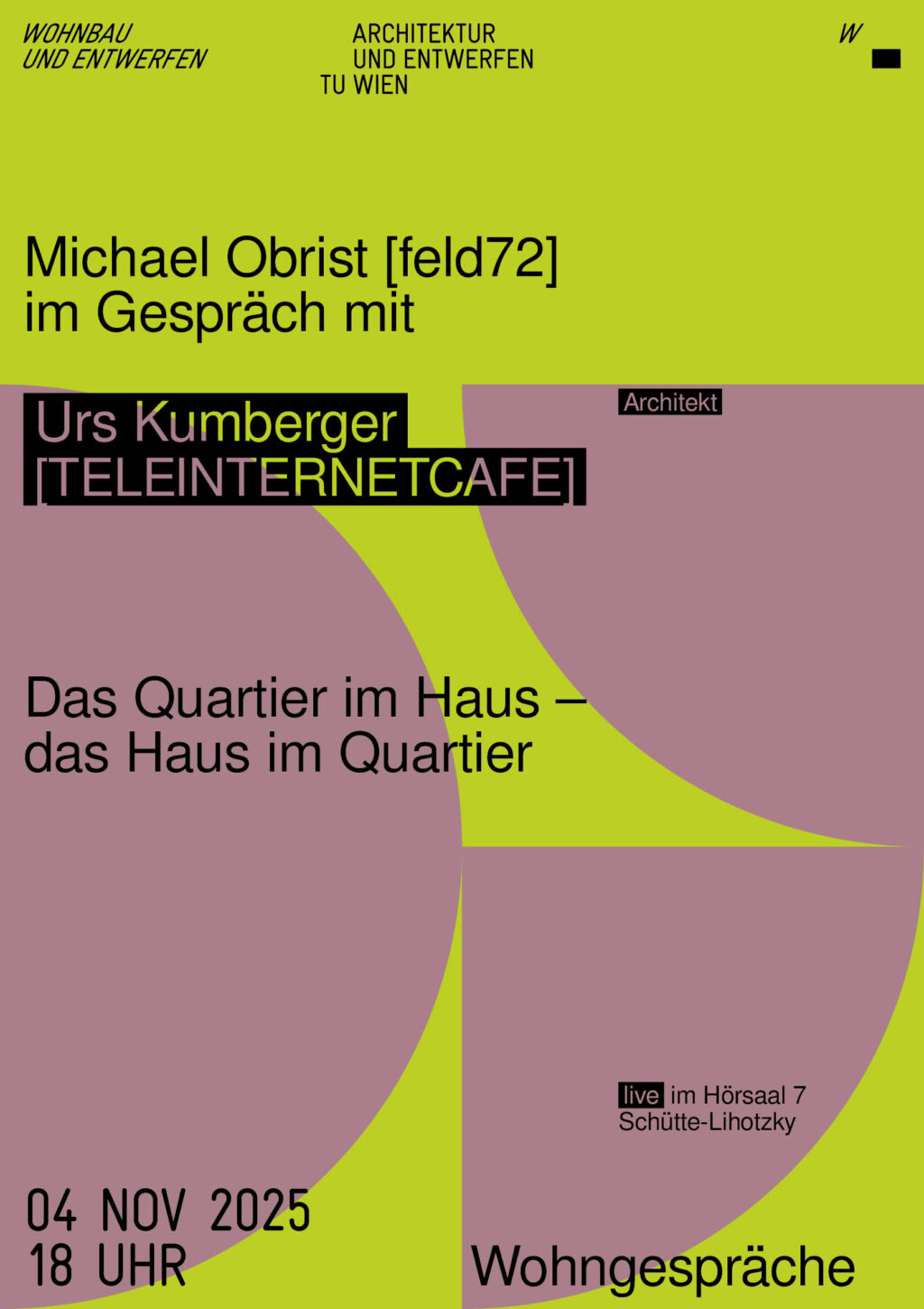
NOV 4, 2025
18:00
HOUSING TALKS:
URS KUMBERGER
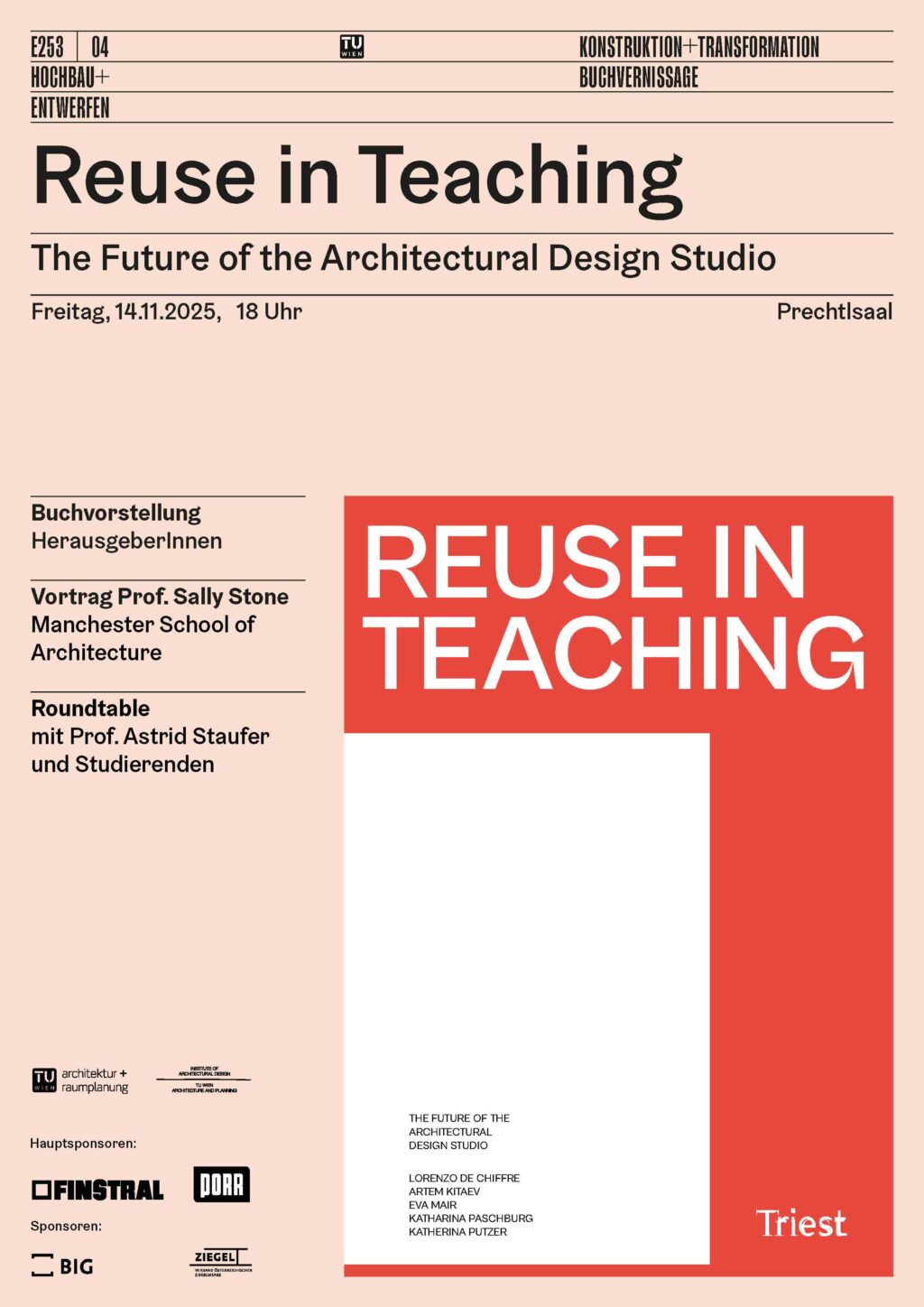
NOV 14, 2025
18:00
BOOK LAUNCH:
REUSE IN TEACHING
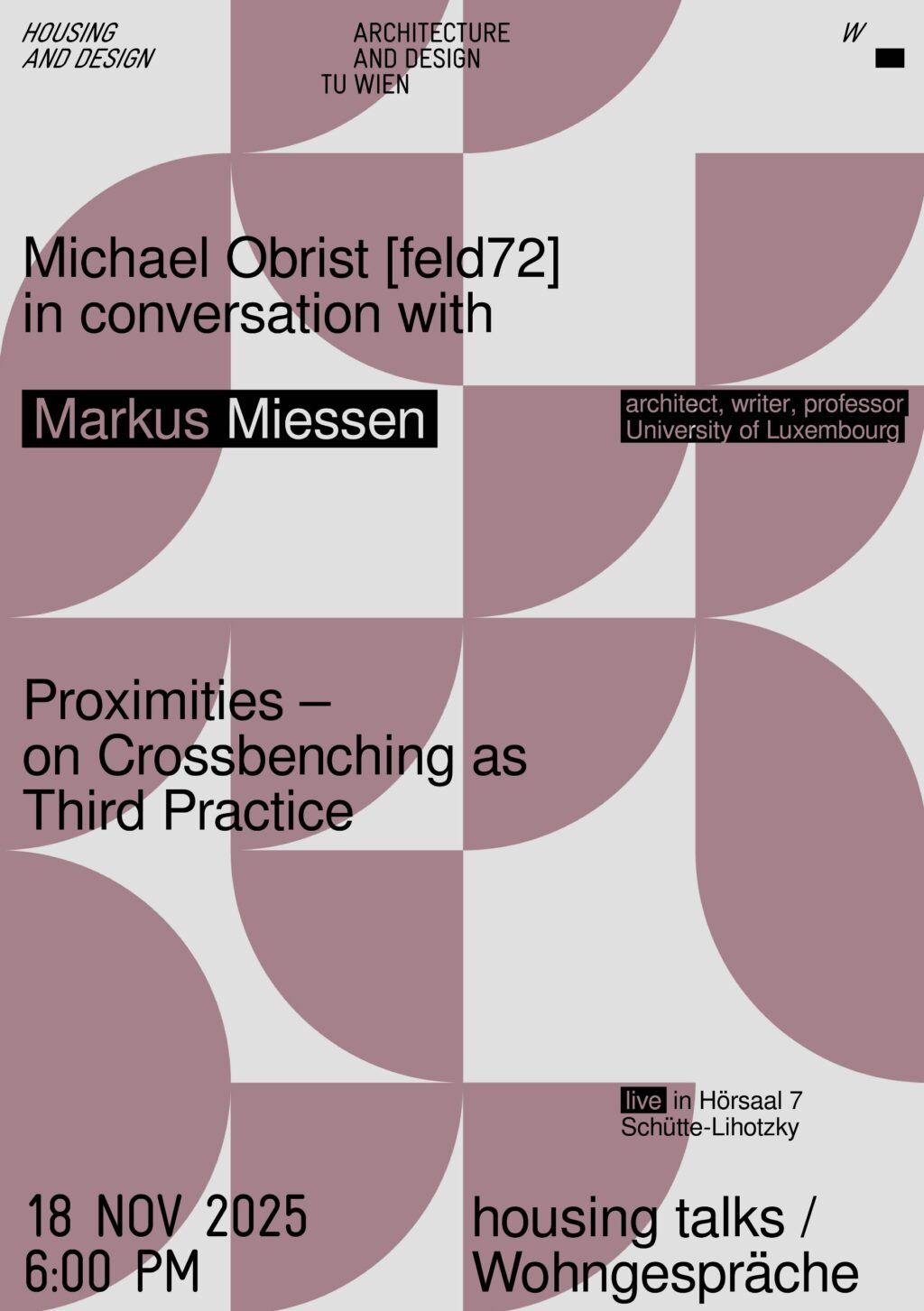
NOV 18, 2025
18:00
HOUSING TALKS:
MARKUS MIESSEN

NOV 25, 2025
18:00
HOUSING TALKS:
KADAMBARI BAXI
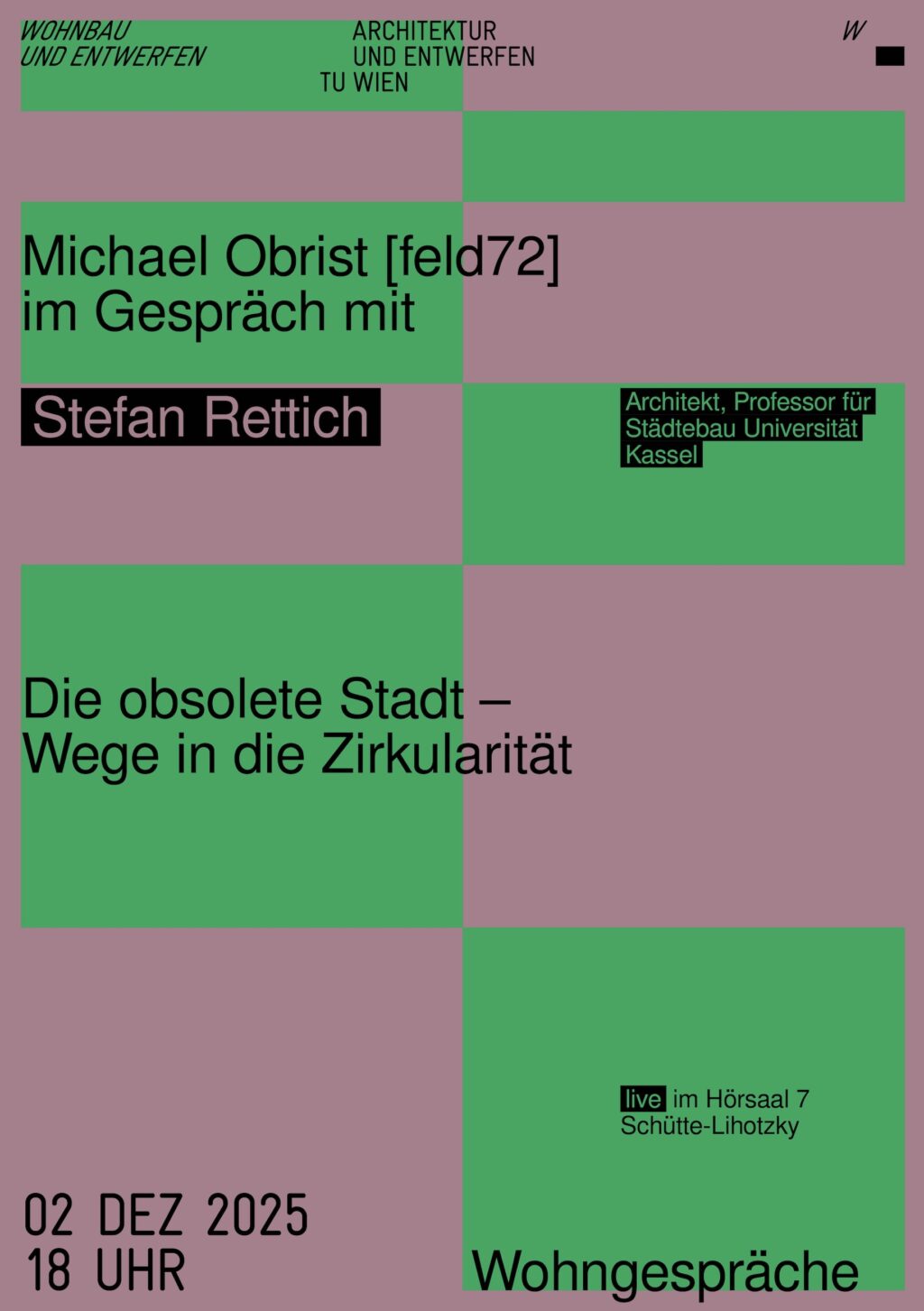
DEC 2, 2025
18:00
HOUSING TALKS:
STEFAN RETTICH
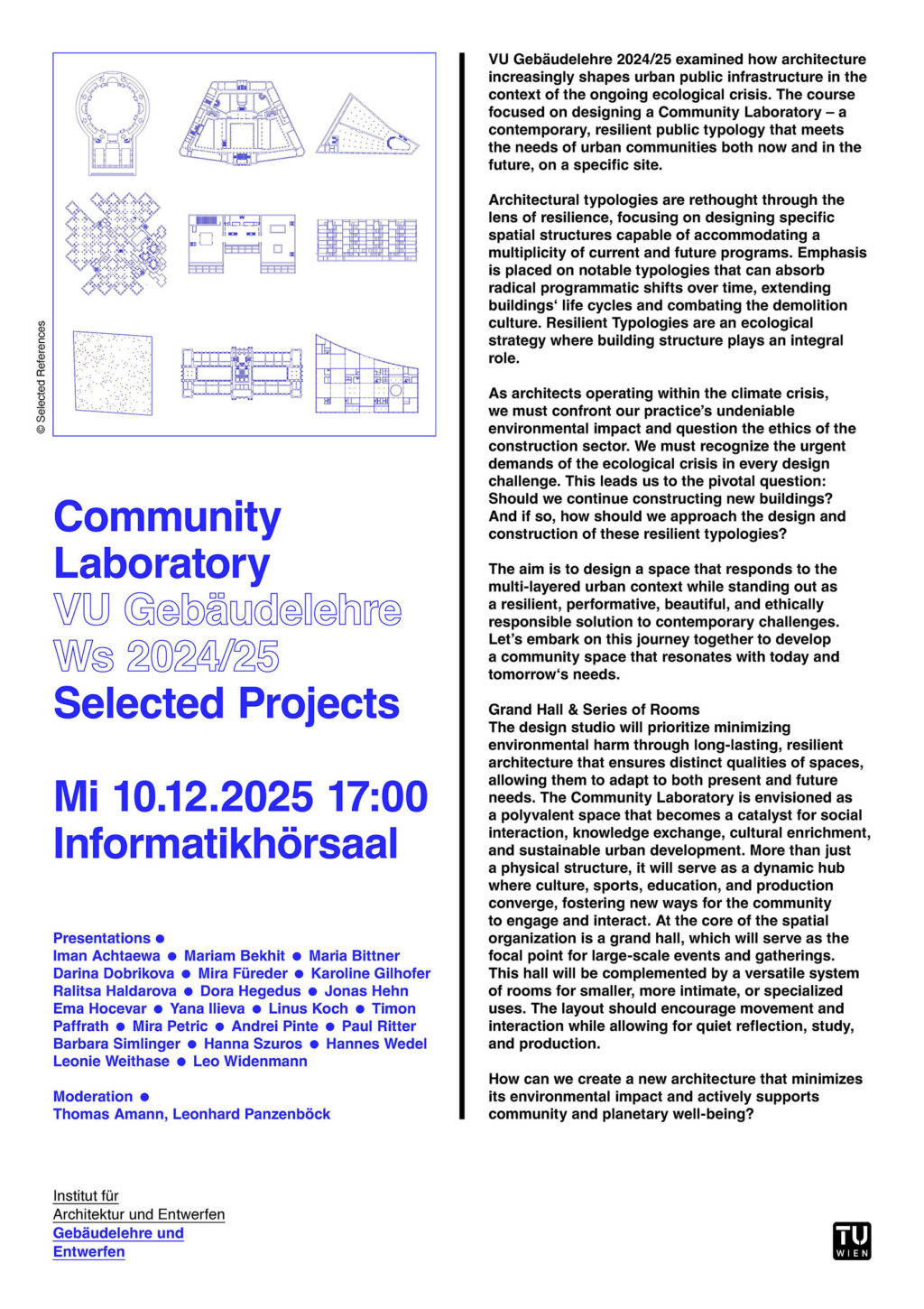
DEC 10, 2025
17:00
LECTURE:
COMMUNITY LABORATORY
SELECTED PROJECTS
DEC 10, 2025
19:00
LECTURE:
JAN DE VYLDER
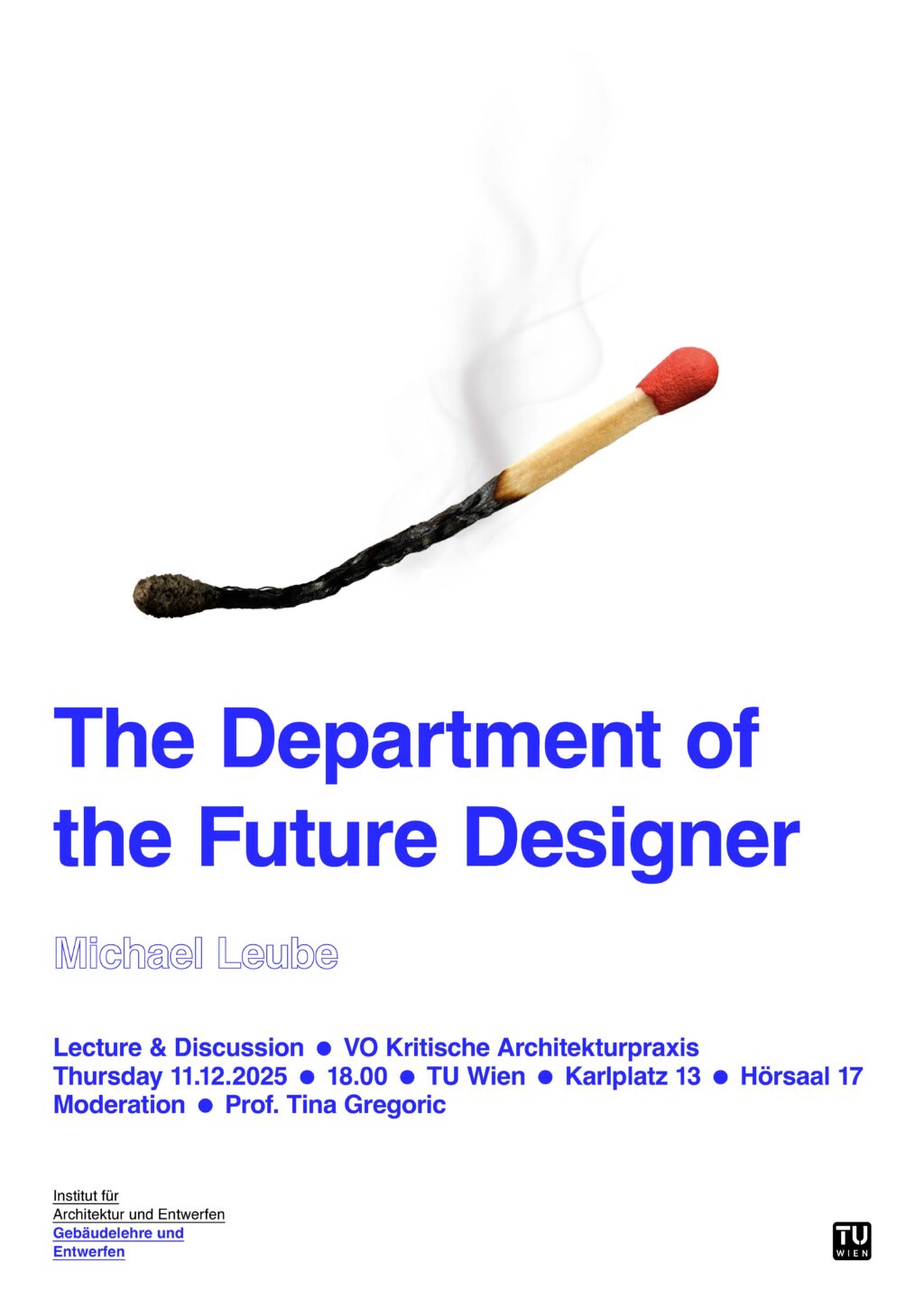
DEC 11, 2025
18:00
Lecture:
Michael Leube
JAN 13, 2026
18:00
HOUSING TALKS:
ANA FILIPOVIĆ
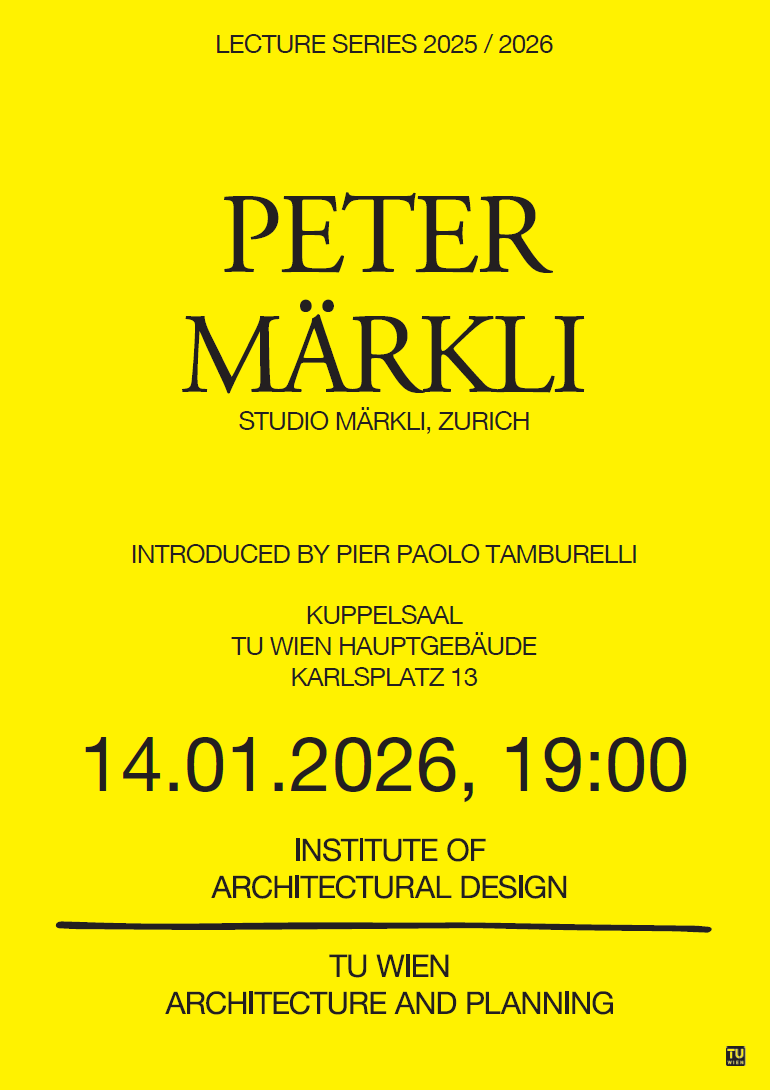
JAN 14, 2026
19:00
LECTURE:
PETER MÄRKLI
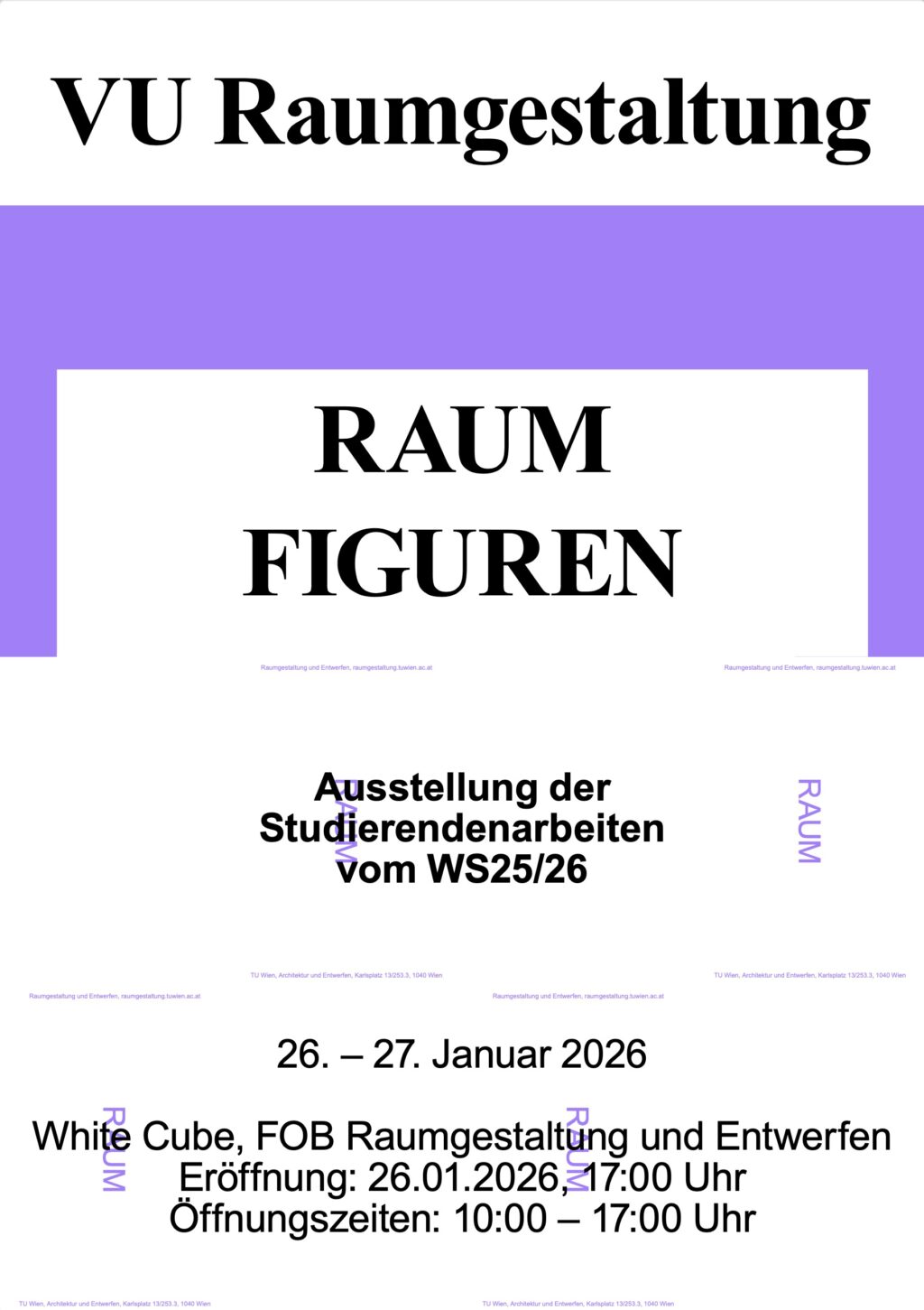
JAN 26, 2026
17:00
EXHIBITION:
RAUMFIGUREN
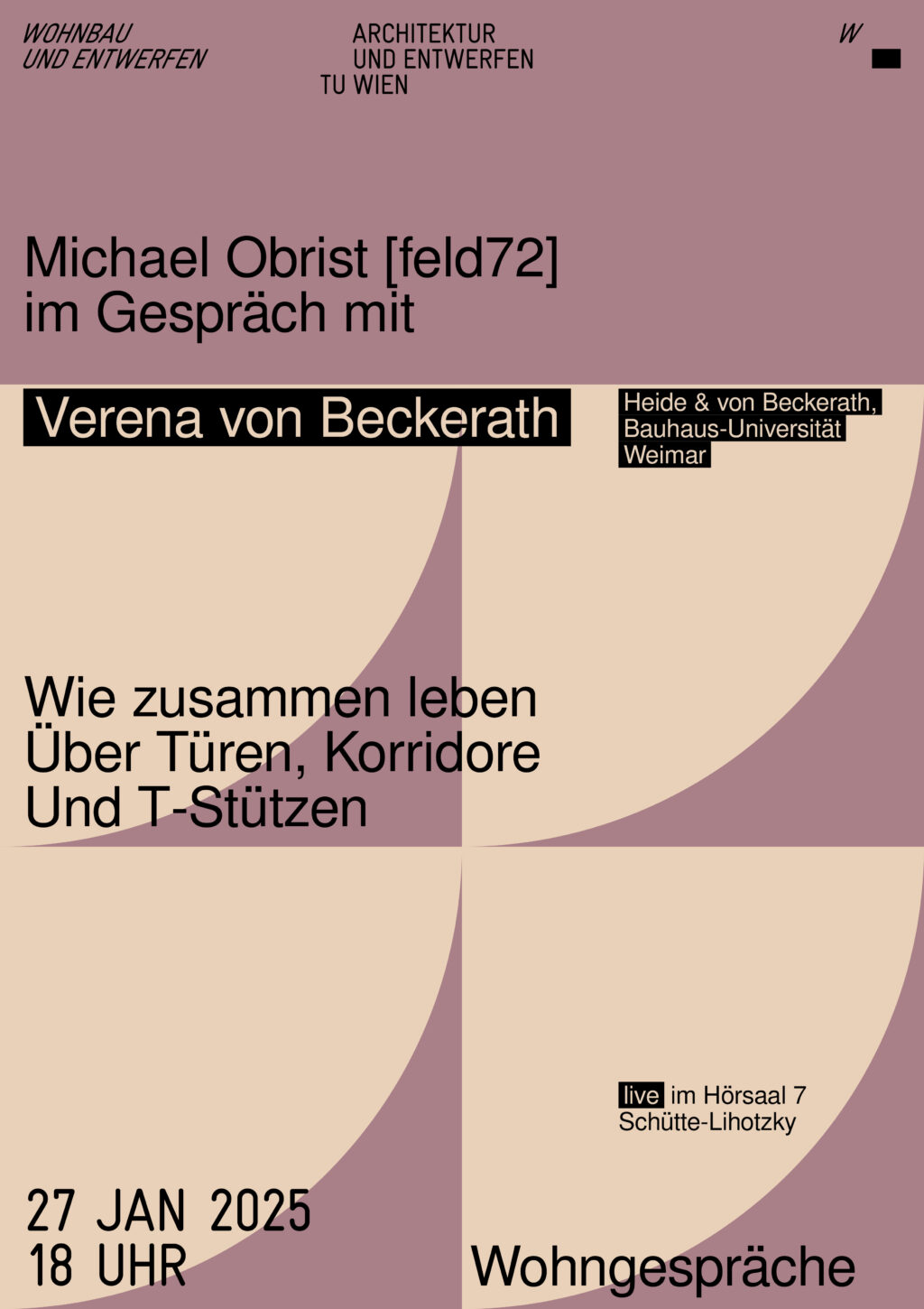
JAN 27, 2026
18:00
HOUSING TALKS:
VERENA VON BECKERATH
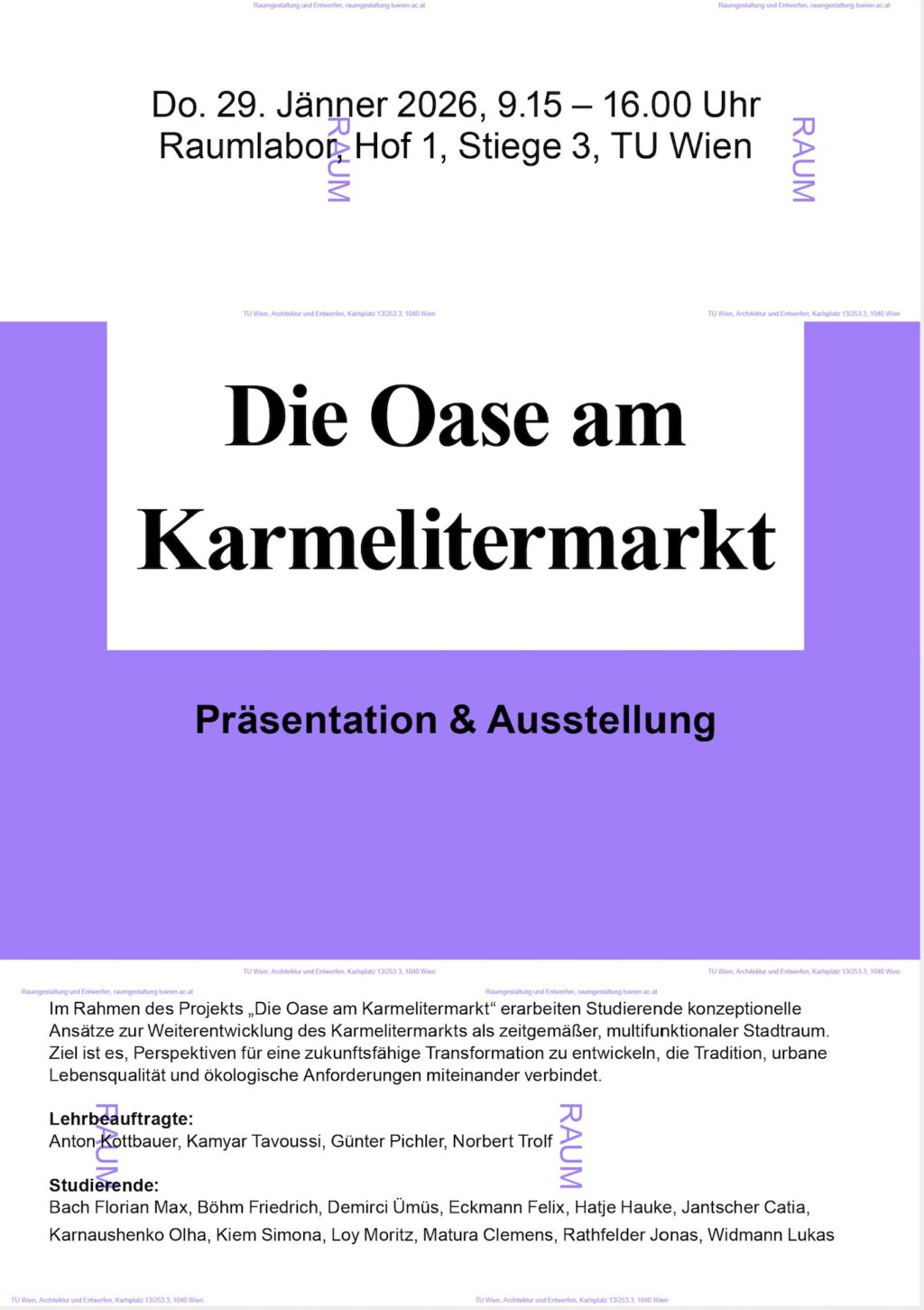
JAN 29, 2026
09:30
PRÄSENTATIONEN UND AUSSTELLUNG:
DIE OASE KARMELITER-
MARKT
JAN 29, 2026
11:00
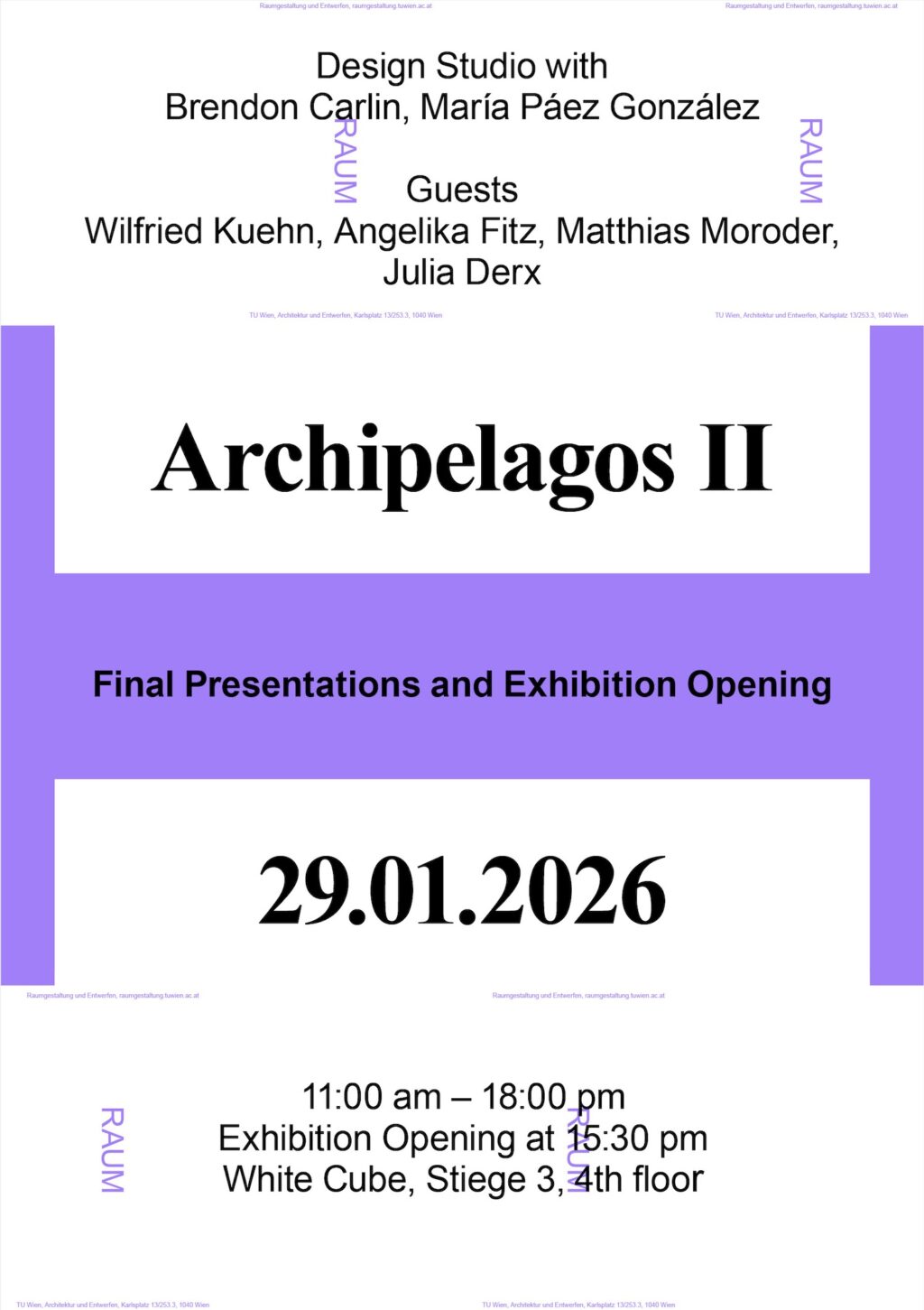
PRESENTATIONS AND EXHIBITION: ARCHIPELAGOS II
JAN 29, 2026
18:00
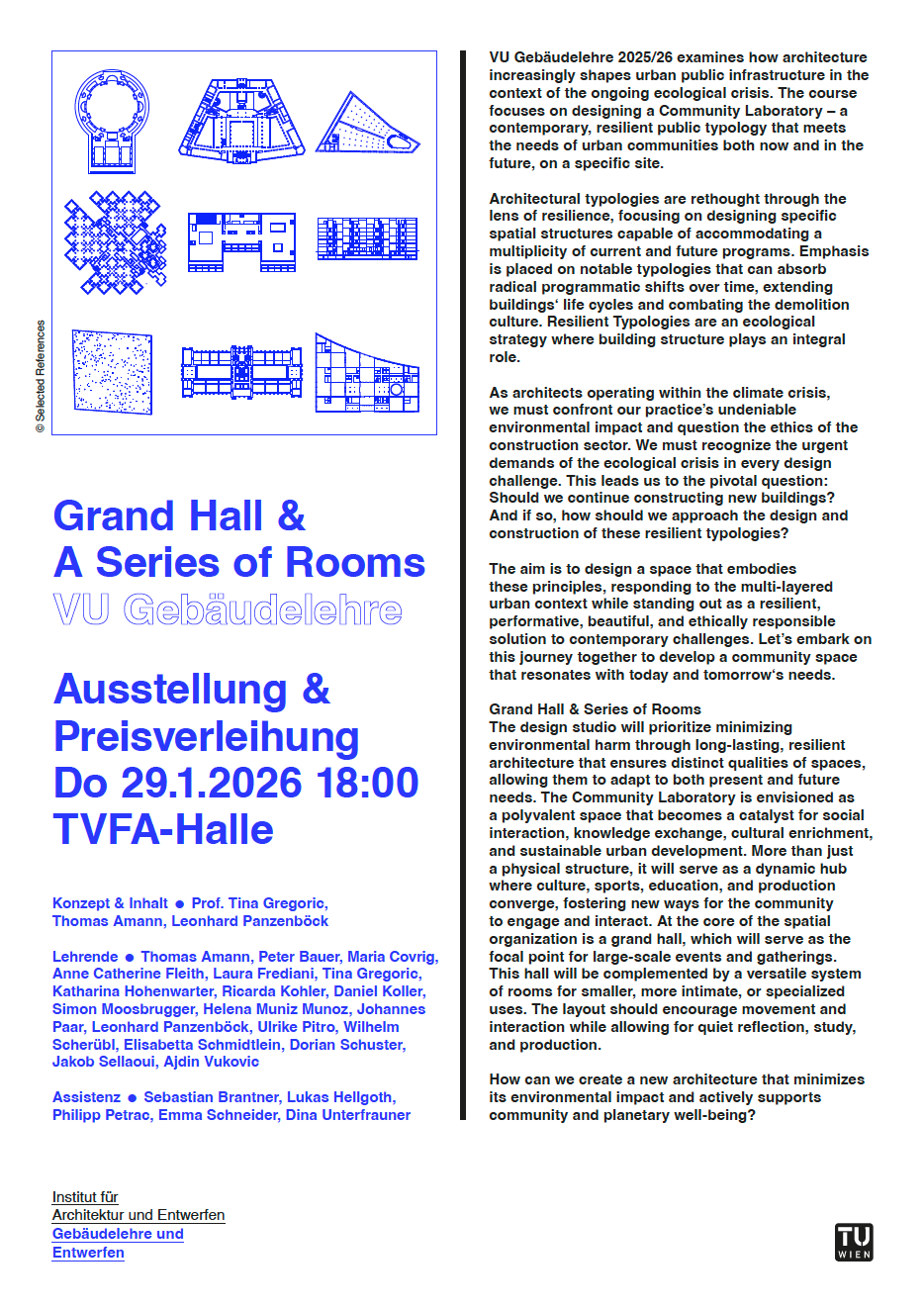
EXHIBITION: GRAND HALL & A SERIES OF ROOMS
FEB 12, 2026
18:00
BOOK PRESENTATION:
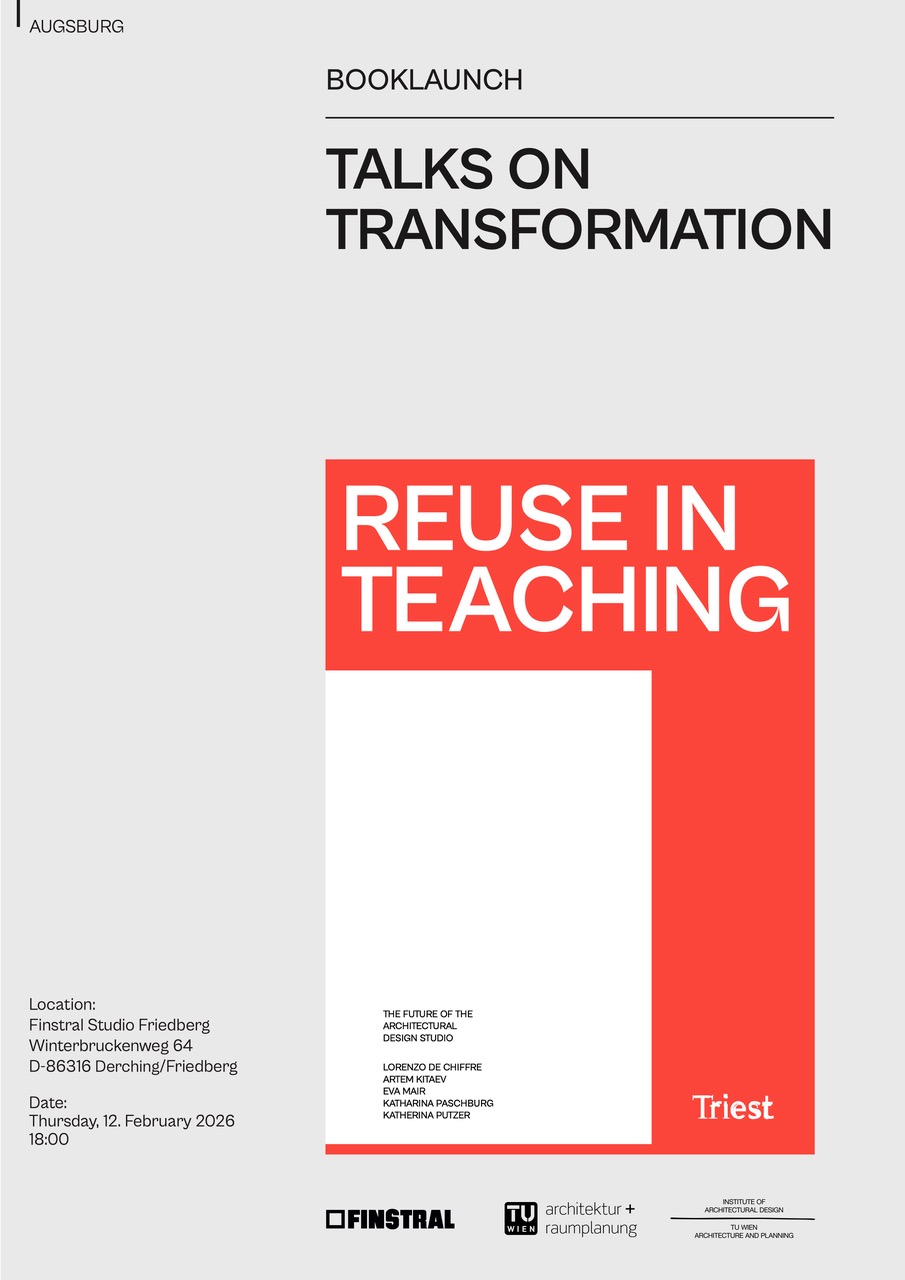
TALKS ON TRANSFORMATION
MAR 11, 2026
19:00
LECTURE:
PHILIPPE MADEC
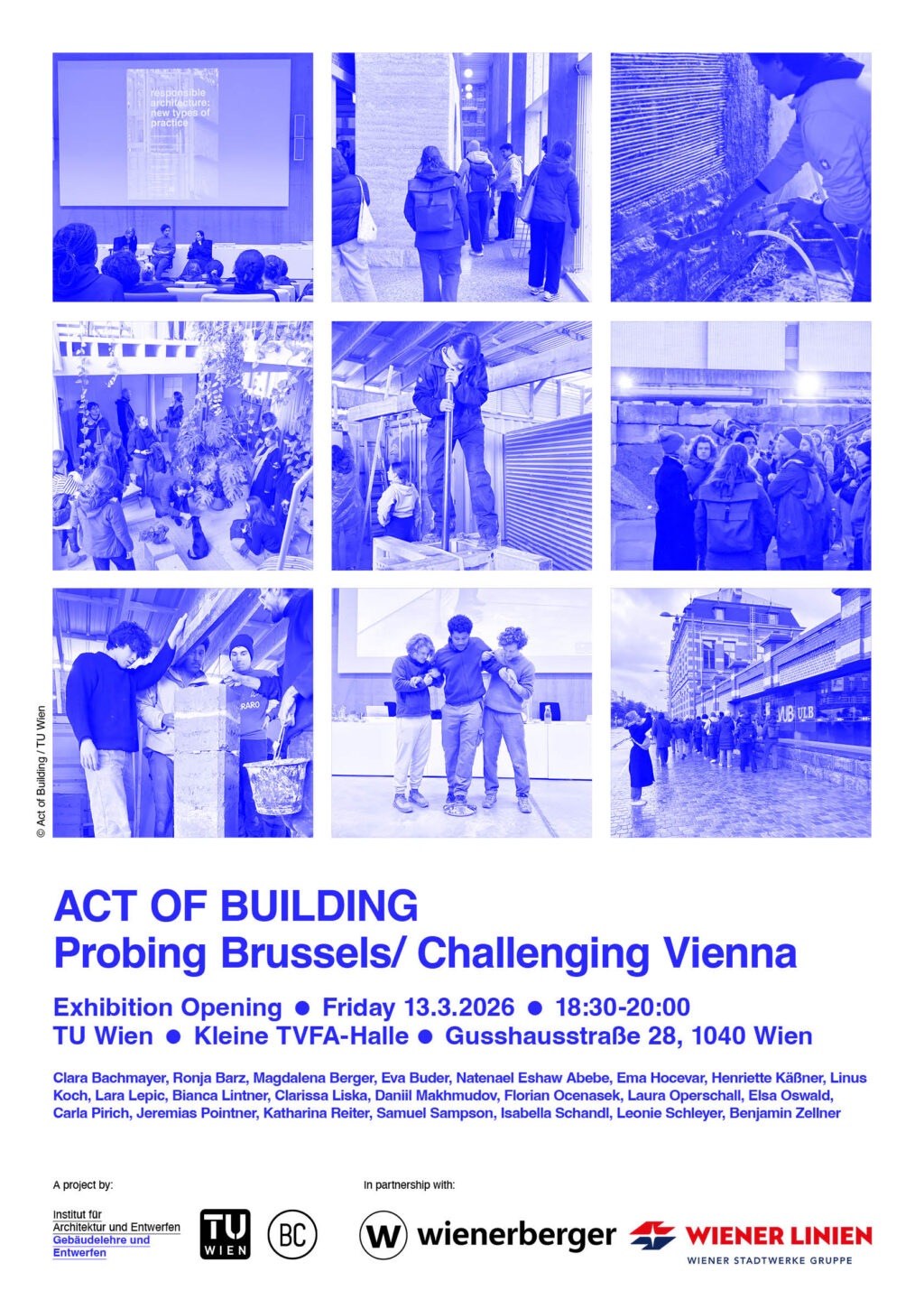
MAR 13, 2026
18:30
Exhibition:
Act of Building: Probing Brussels/ Challenging Vienna
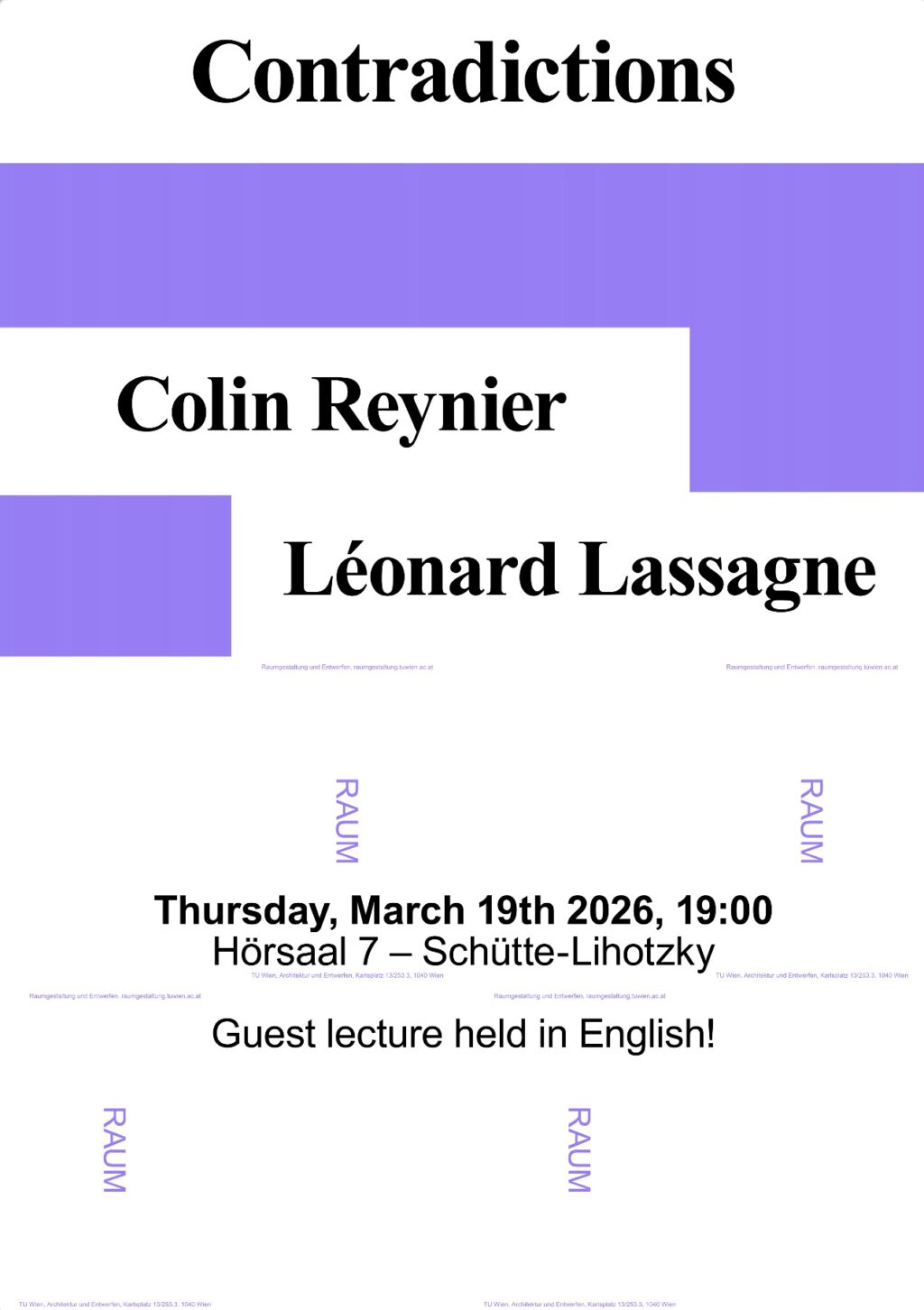
MAR 19, 2026
19:00
LECTURE:
COLIN REYNIER AND LÉONARD LASSAGNE
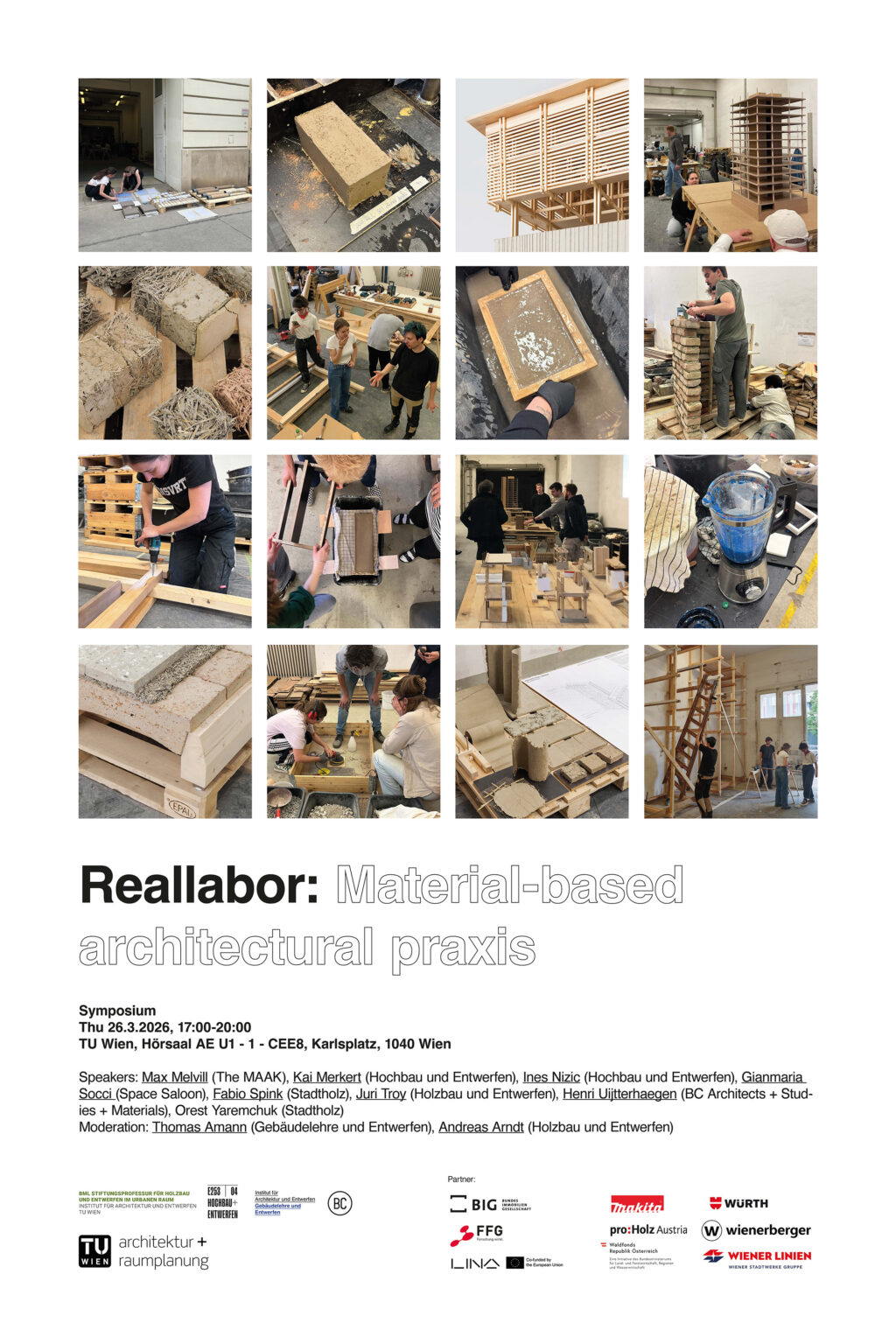
MAR 26, 2026
17:00
SYMPOSIUM:
Reallabor: Material-based architectural praxis
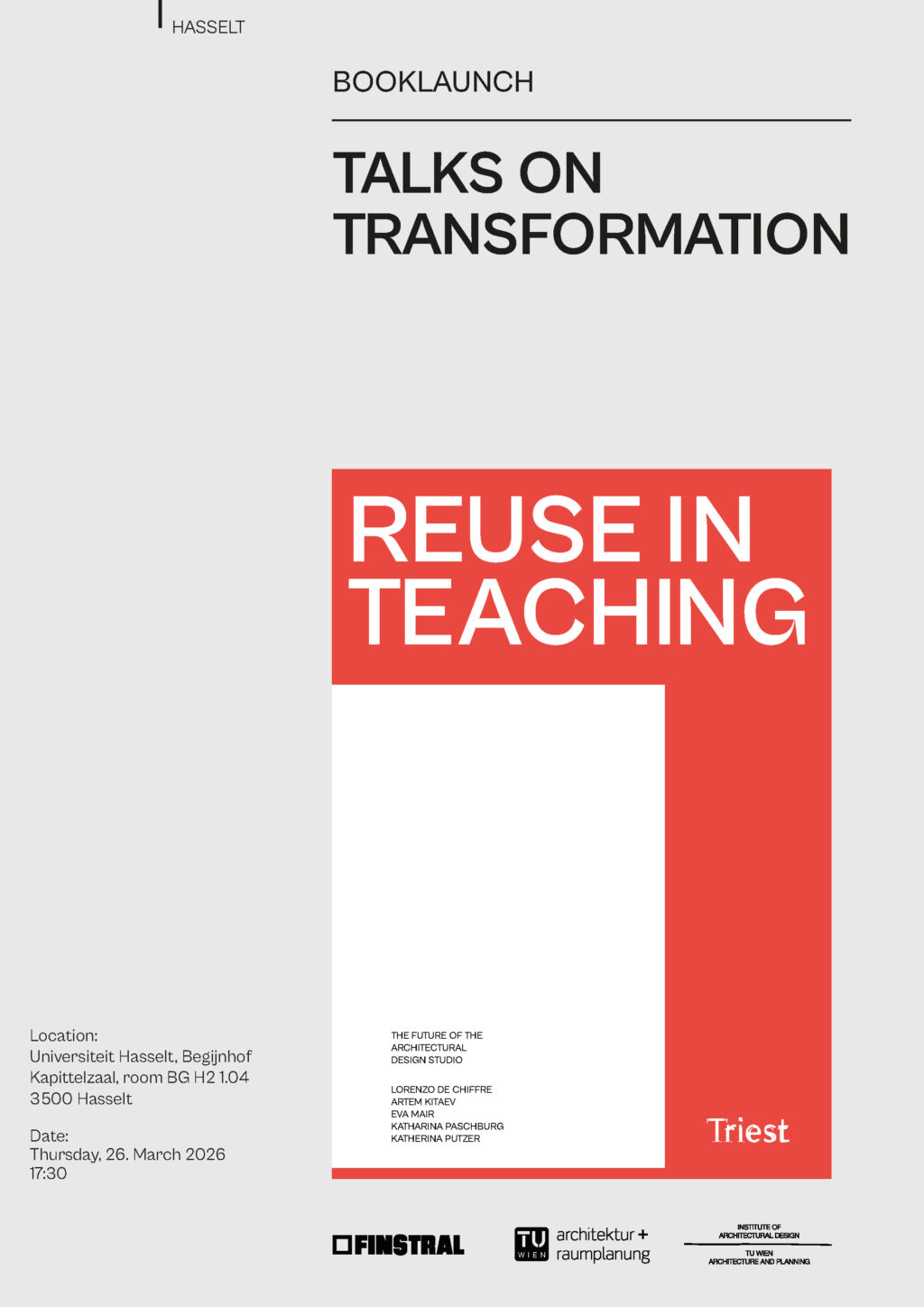
MAR 26, 2026
17:30
BOOK PRESENTATION:
TALKS ON TRANSFORMATION
COMMUNITY LABORATORY
VU Gebäudelehre 2024/25
SELECTED PROJECTS
MODERATED BY THOMAS AMANN, LEONHARD PANZENBÖCK
WED, 10.12.2025, 17:00 – Informatikhörsaal, TU Wien
Students presentations
Iman Achtaewa, Mariam Bekhit, Maria Bittner, Darina Dobrikova, Mira Füreder, Karoline Gilhofer, Ralitsa Haldarova, Dora Hegedus, Jonas Hehn, Ema Hocevar, Yana Ilieva, Linus Koch, Timon Paffrath, Mira Petric, Andrei Pinte, Paul Ritter, Barbara Simlinger, Hanna Szuros, Hannes Wedel, Leonie Weithase, Leo Widenmann
VU Gebäudelehre 2024/25 examined how architecture increasingly shapes urban public infrastructure in the context of the ongoing ecological crisis. The course focused on designing a Community Laboratory – a contemporary, resilient public typology that meets the needs of urban communities both now and in the future, on a specific site. Architectural typologies are rethought through the lens of resilience, focusing on designing specific spatial structures capable of accommodating a multiplicity of current and future programs. Emphasis is placed on notable typologies that can absorb radical programmatic shifts over time, extending buildings' life cycles and combating the demolition culture. Resilient Typologies are an ecological strategy where building structure plays an integral role.
Ecological Position
As architects operating within the climate crisis, we must confront our practice’s undeniable environmental impact and question the ethics of the construction sector. We must recognize the urgent demands of the ecological crisis in every design challenge. Our current GBL ecological position embraces the principles of anti-demolition, adaptive reuse, as well as material circularity, and experimenting with local resources and waste streams. This leads us to the pivotal question: Should we continue constructing new buildings? And if so, how should we approach the design and construction of these resilient typologies?
1. Resilience (Firmitas)
We aim to create distinctive, long-lasting structures capable of withstanding both programmatic change and the passage of time. The spatial organization of the Community Laboratory should ensure its relevance for future generations and various scenarios of use.
2. Performability (Utilitas)
Architecture must enable performative scenarios that encourage diverse uses and activities. Our design process will oscillate between generic and specific, allowing spaces to transform and support various programs—from workshops and performances to classes and community events. How can we design distinct spaces to serve both their intended and unknown purposes?
3. Aesthetics (Venustas)
Beauty is an essential aspect of resilience, not merely decoration. We will examine proportion and polyvalence to ensure that the space performs well and inspires and uplifts its users. This studio will challenge the notion that polyvalence means neutrality, aiming to imbue the space with character, identity, and meaning through design choices that also incorporate ancient exploration of proportion.
The aim is to design a space that embodies these principles, responding to the multi-layered urban context while standing out as a resilient, performative, beautiful, and ethically responsible solution to contemporary challenges. Let’s embark on this journey together to develop a community space that resonates with today and tomorrow's needs.
Grand Hall & Series of Rooms
The design studio will prioritize minimizing environmental harm through long-lasting, resilient architecture that ensures distinct qualities of spaces, allowing them to adapt to both present and future needs. The Community Laboratory is envisioned as a polyvalent space that becomes a catalyst for social interaction, knowledge exchange, cultural enrichment, and sustainable urban development. More than just a physical structure, it will serve as a dynamic hub where culture, sports, education, and production converge, fostering new ways for the community to engage and interact. At the core of the spatial organization is a grand hall, which will serve as the focal point for large-scale events and gatherings. This hall will be complemented by a versatile system of rooms for smaller, more intimate, or specialized uses. The layout should encourage movement and interaction while allowing for quiet reflection, study, and production. How can we create a new architecture that minimizes its environmental impact and actively supports community and planetary well-being?